Pato, Silverback of the Virunga Mountains
Since I was a kid, I’d always thought my most amazing wildlife encounter would be in the ocean. I wanted to be a marine biologist. So I was thinking dolphins, whale sharks, killer whales, sharks, or an octopus, something very smart and life changing.
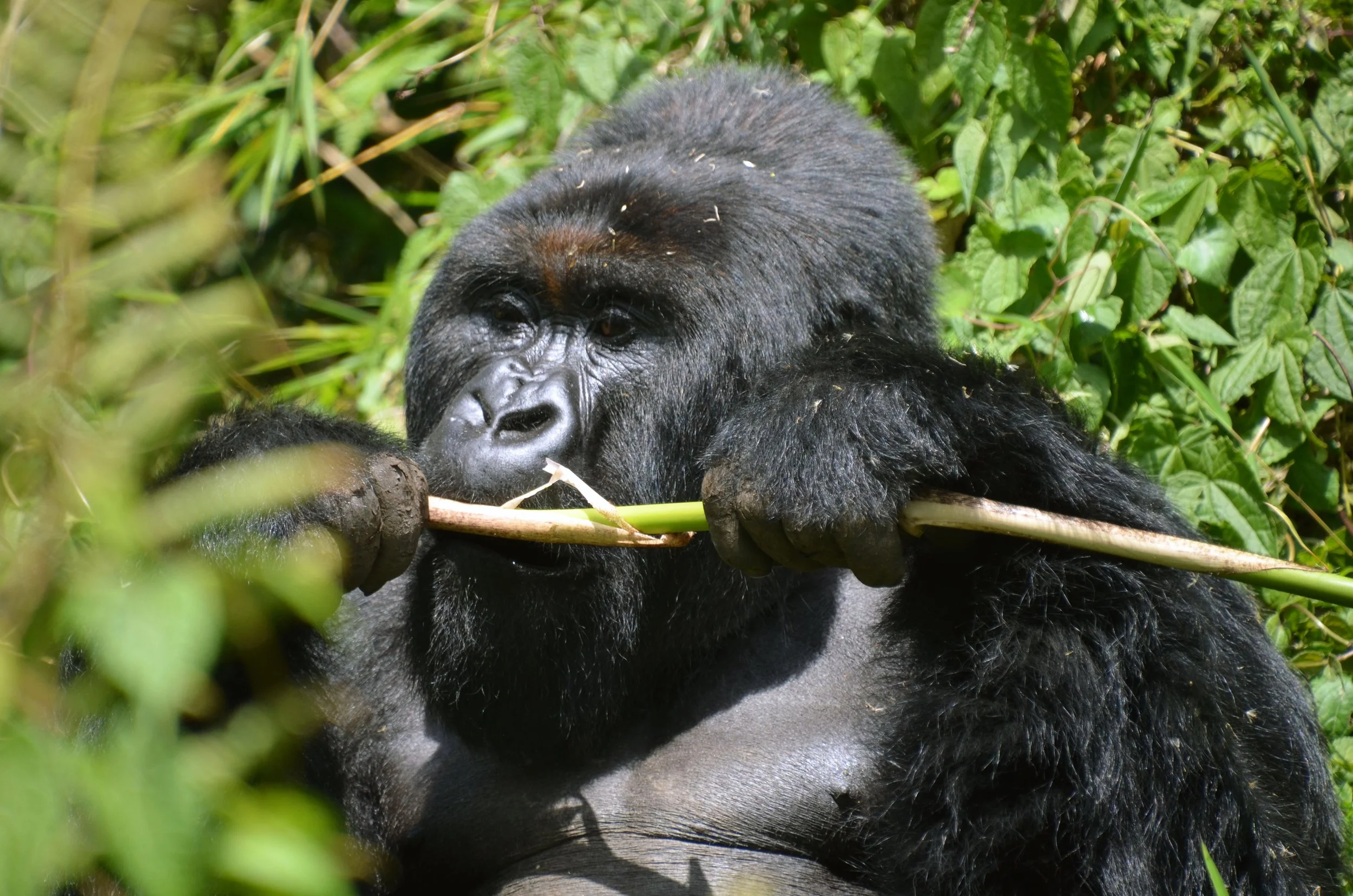
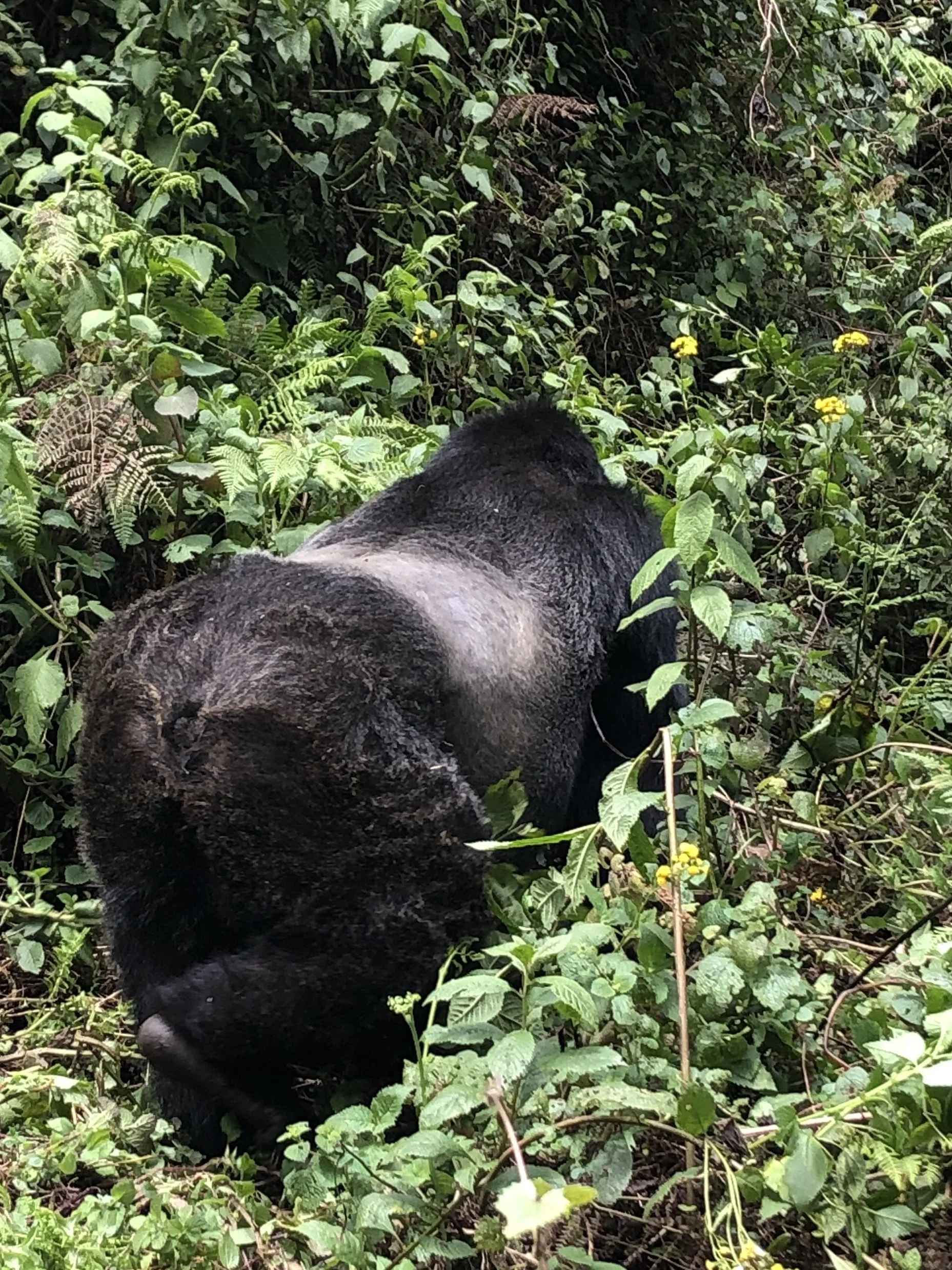
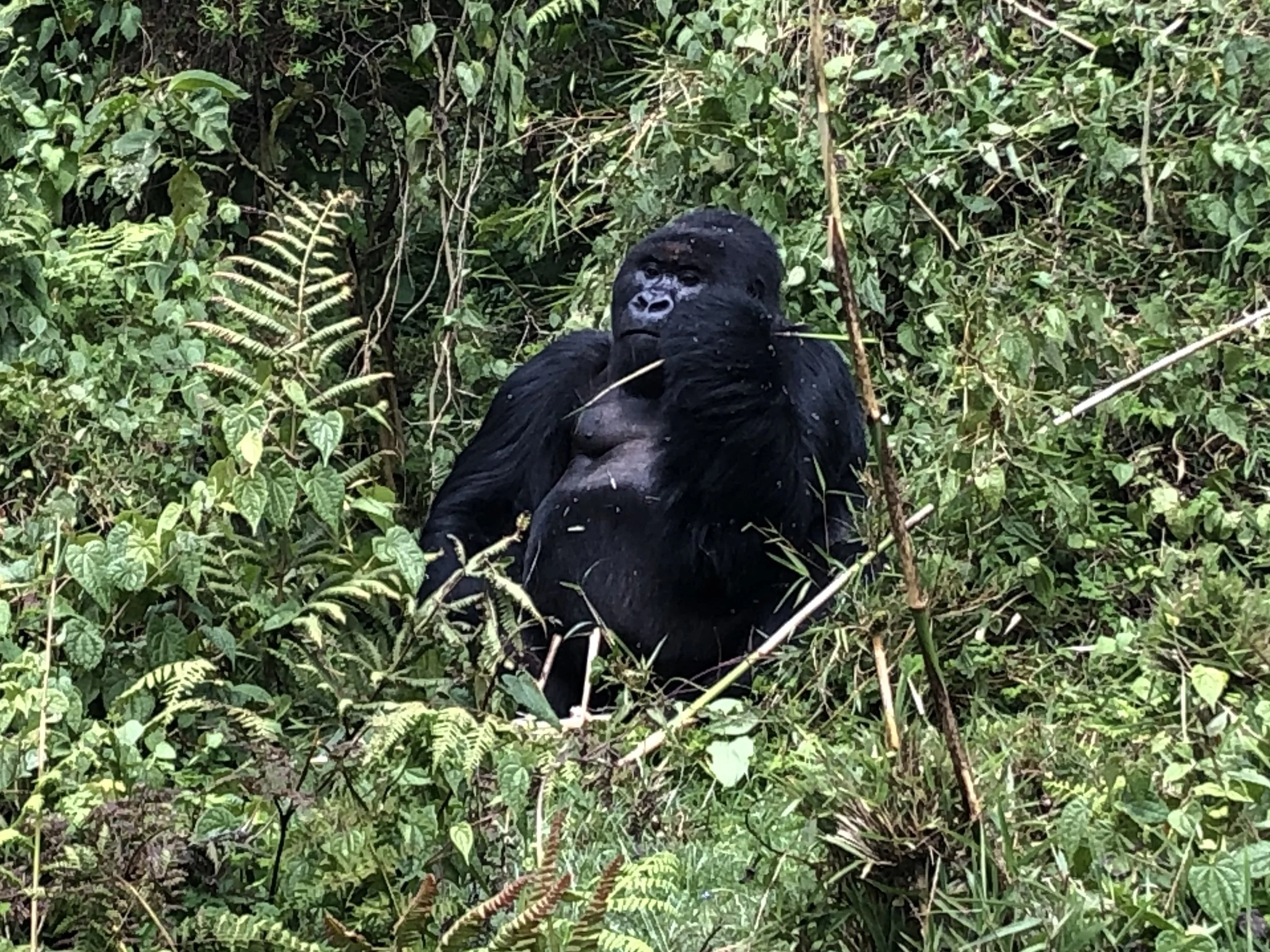
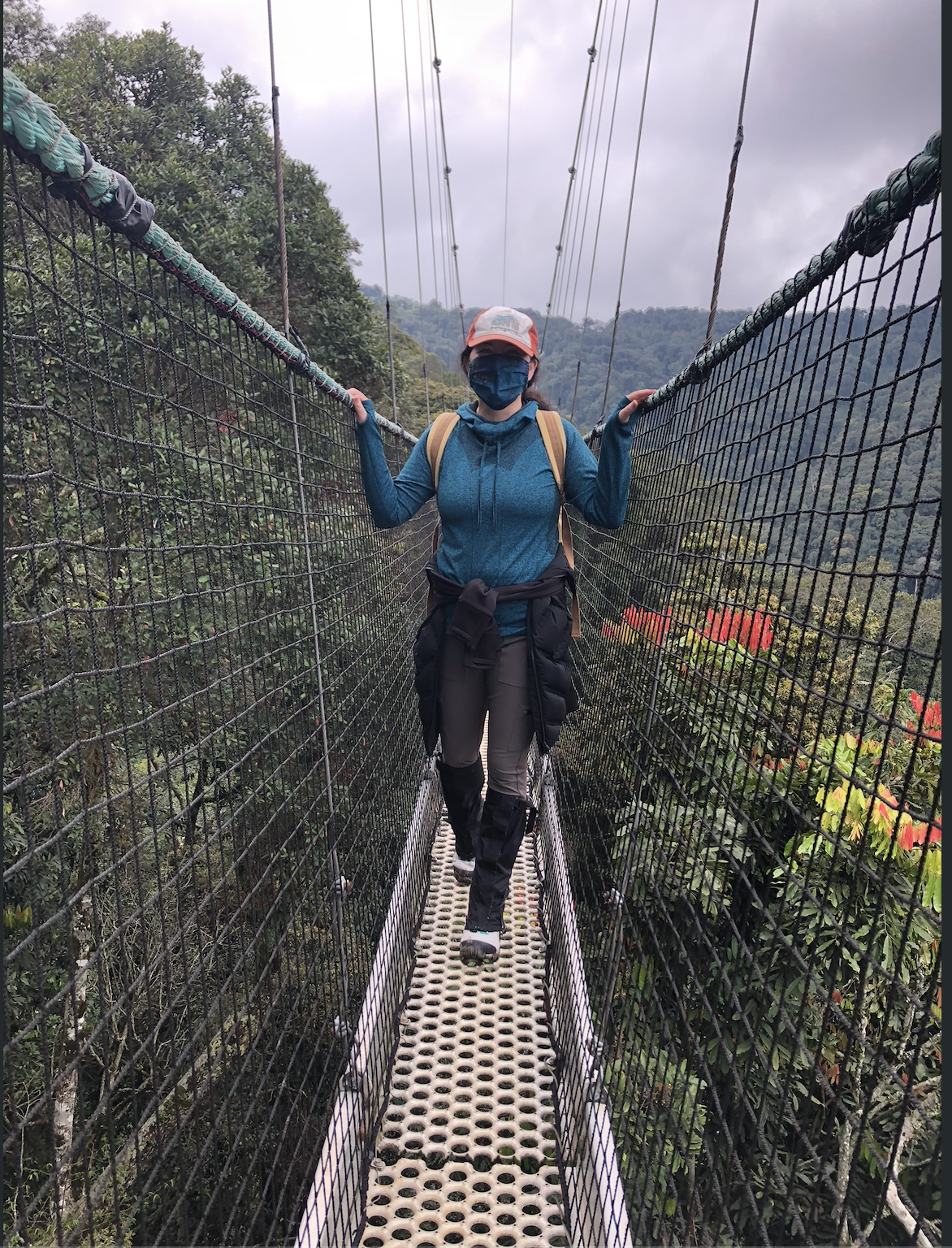
But it came in the mountains of Rwanda in Volcanoes National Park, when a silverback gorilla named Pato came out of the jungle and walked right over to me. He gently held my ponytail while I followed the instructions of my guide, knelt down, and did not look him in the eye. We stayed there until my guide reached out her hand and pulled me forward.
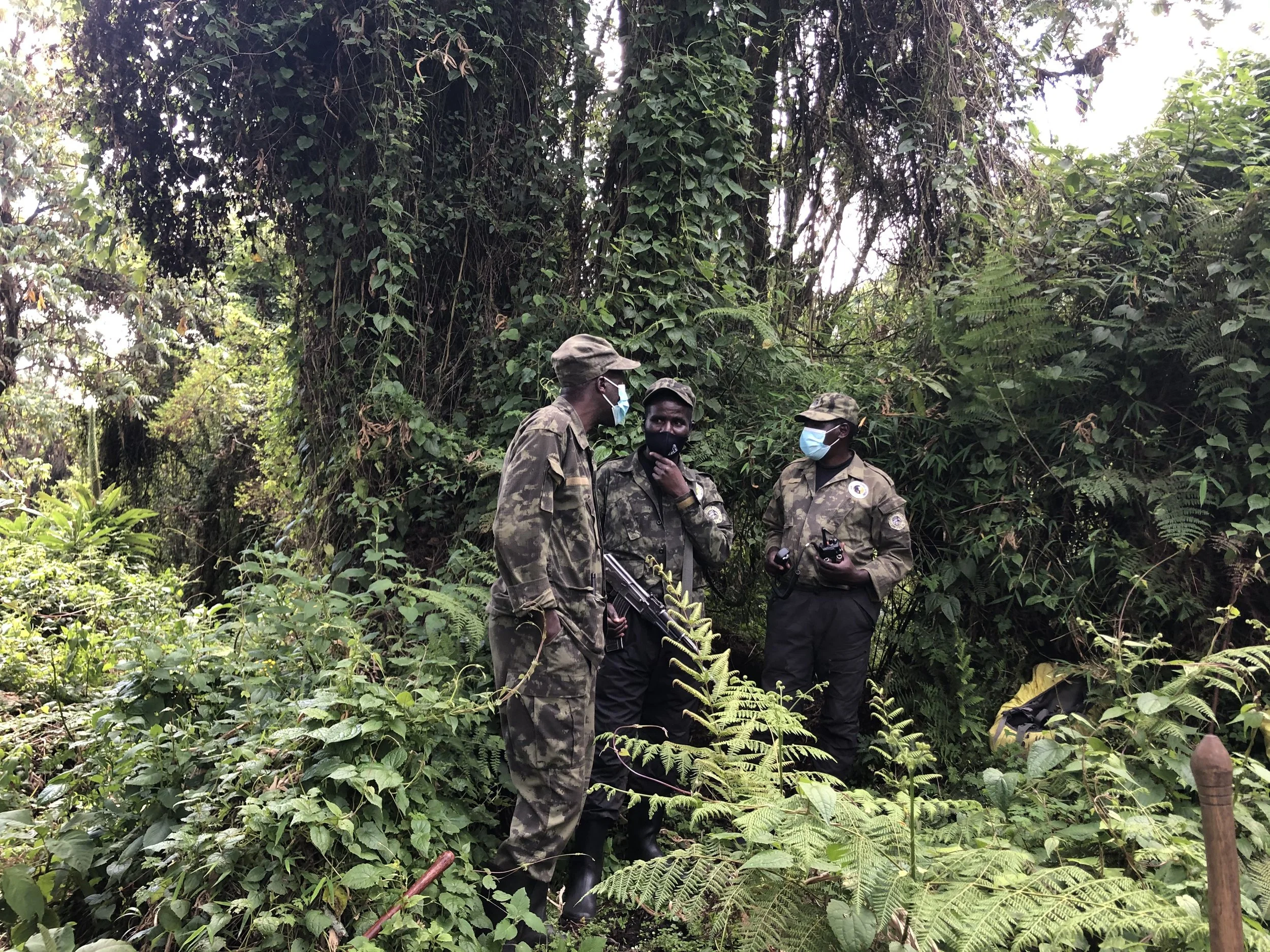
The gorillas here live in habituated families. That means they are slowly and carefully conditioned over years to tolerate human presence by trackers and researchers. It allows limited tourism without changing their natural behavior too much. Each family has a dominant silverback and is monitored daily by ranger teams.
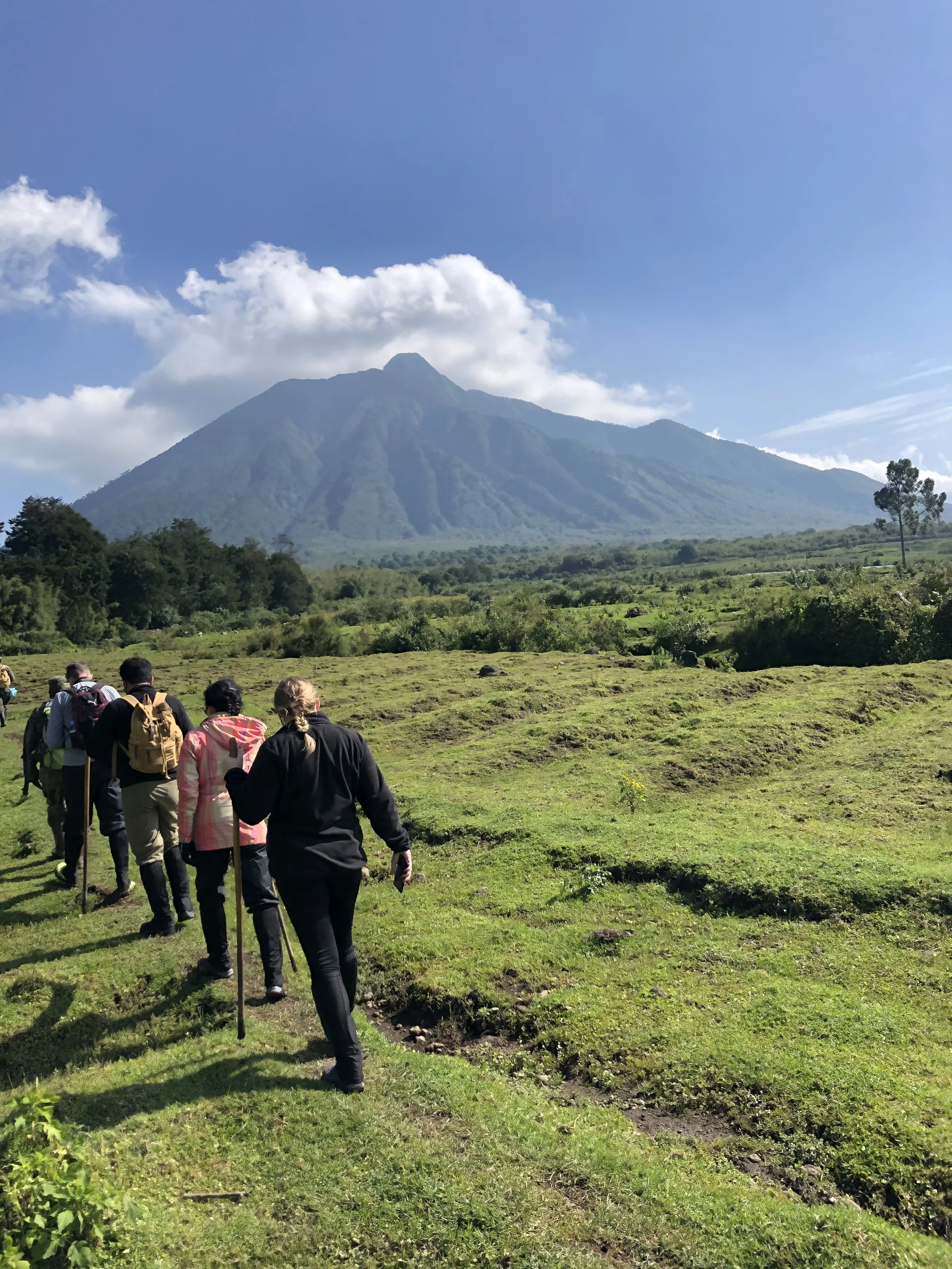
Mountain gorillas live only in a small range of high-altitude forest in the Virunga Mountains, which stretch across Rwanda, Uganda, and the Democratic Republic of Congo. They are adapted to cold, misty conditions at elevation, moving through dense bamboo and forested slopes.
Pato is a silverback from one of the habituated families in Volcanoes National Park. Like other dominant males, he leads his group, makes movement decisions, and protects the family. His group is part of the long-term monitoring system run by Rwanda’s conservation authorities, where each family is tracked daily by ranger teams who follow their movements and check on their health.
Mountain gorillas were once critically endangered. By the late 1980s, only a few hundred remained due to habitat loss, poaching, and conflict in the Virunga region. Conservation work, including early research by Dian Fossey at Karisoke Research Centre, helped bring global attention to their decline. Since then, Rwanda, Uganda, and the Democratic Republic of Congo have built a tightly managed system with permanent ranger patrols, veterinary intervention teams often called Gorilla Doctors, and strict limits on trekking permits. Tourism revenue directly supports both conservation and nearby communities.
I’m indebted to the kind Israeli family I was hiking with that witnessed it all and shared it with me. Thank you family.