Along Oregon's Wild and Scenic Rogue River
Some landscapes stay wild because people decide they should.
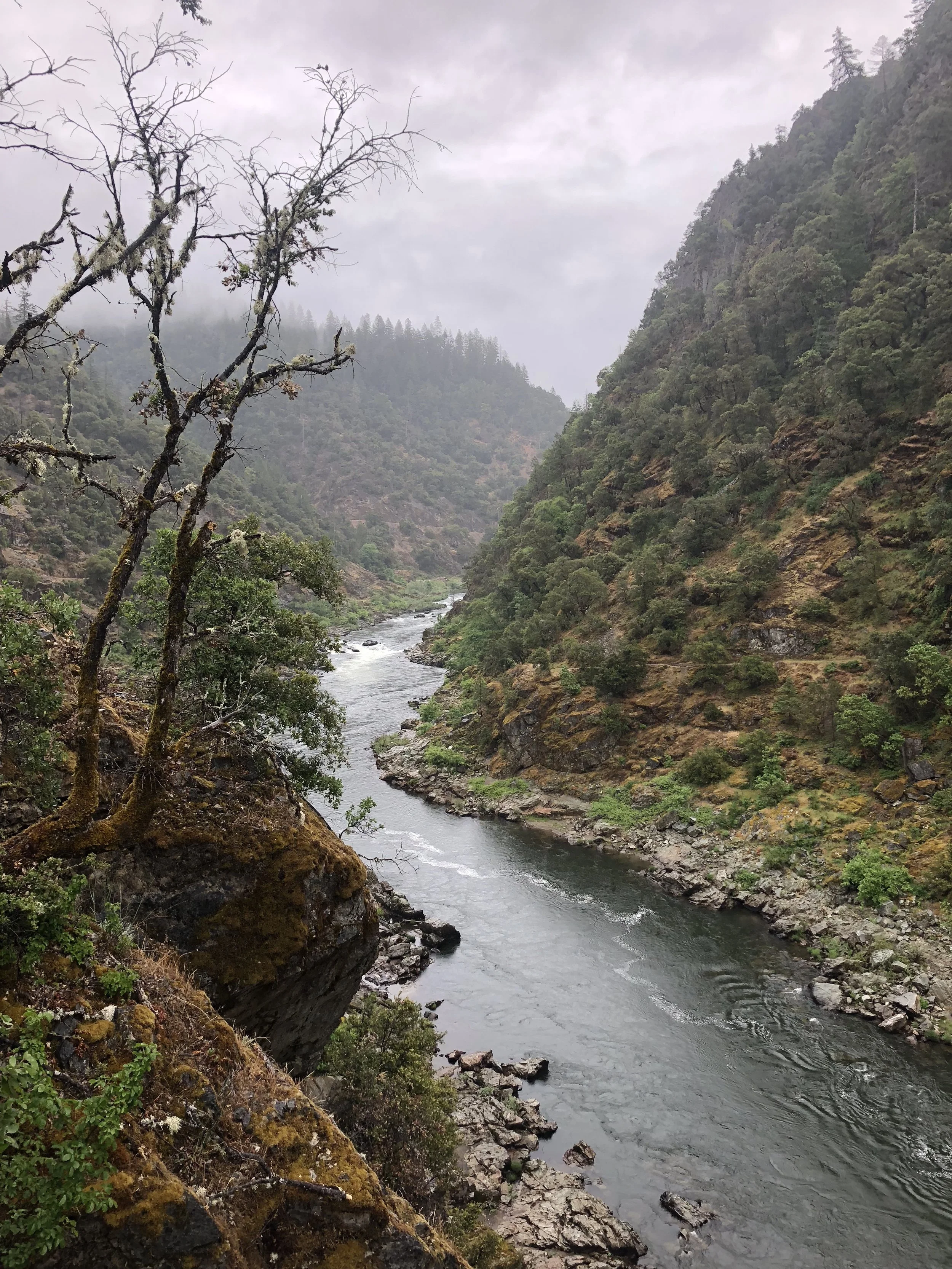
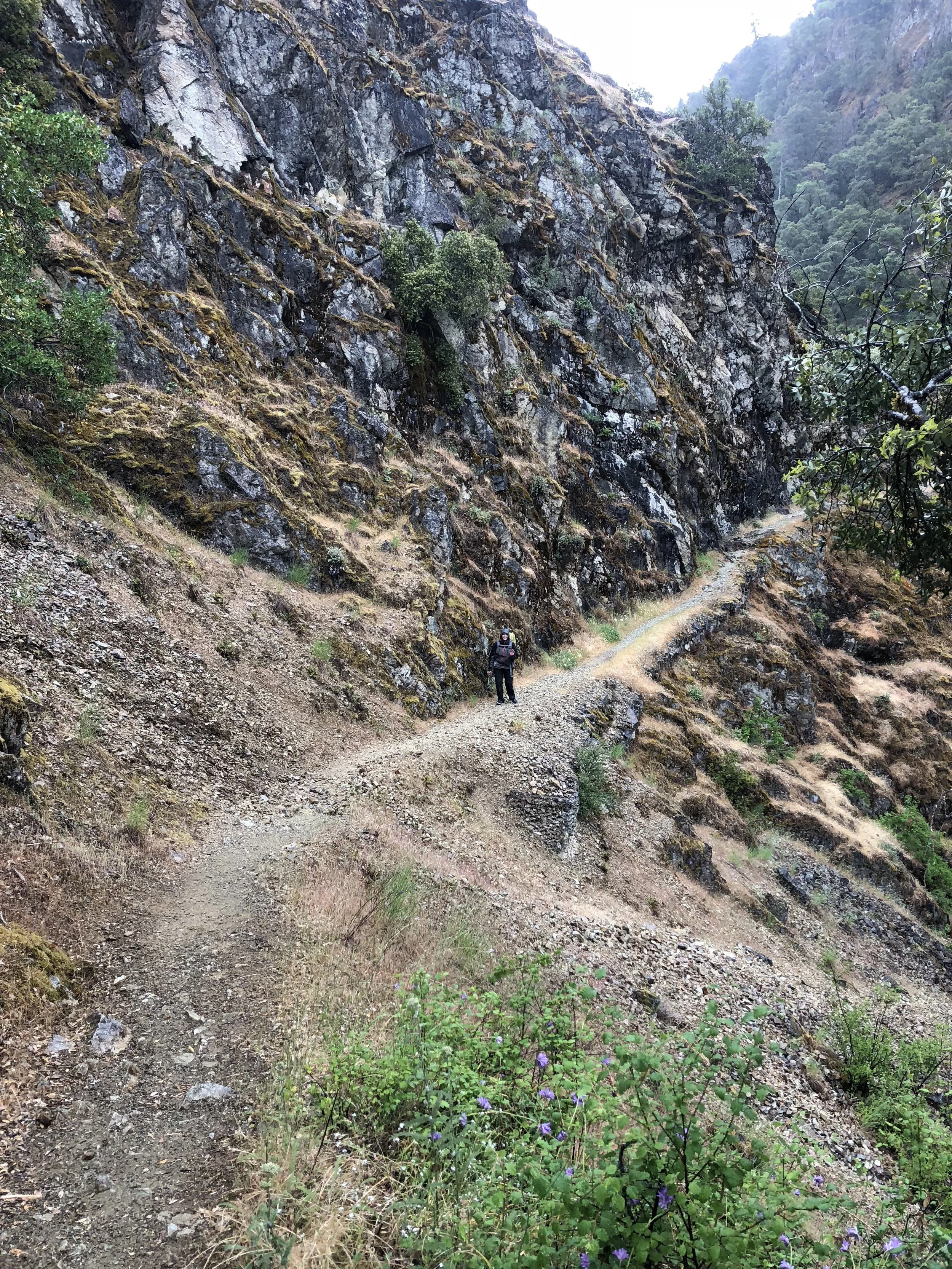
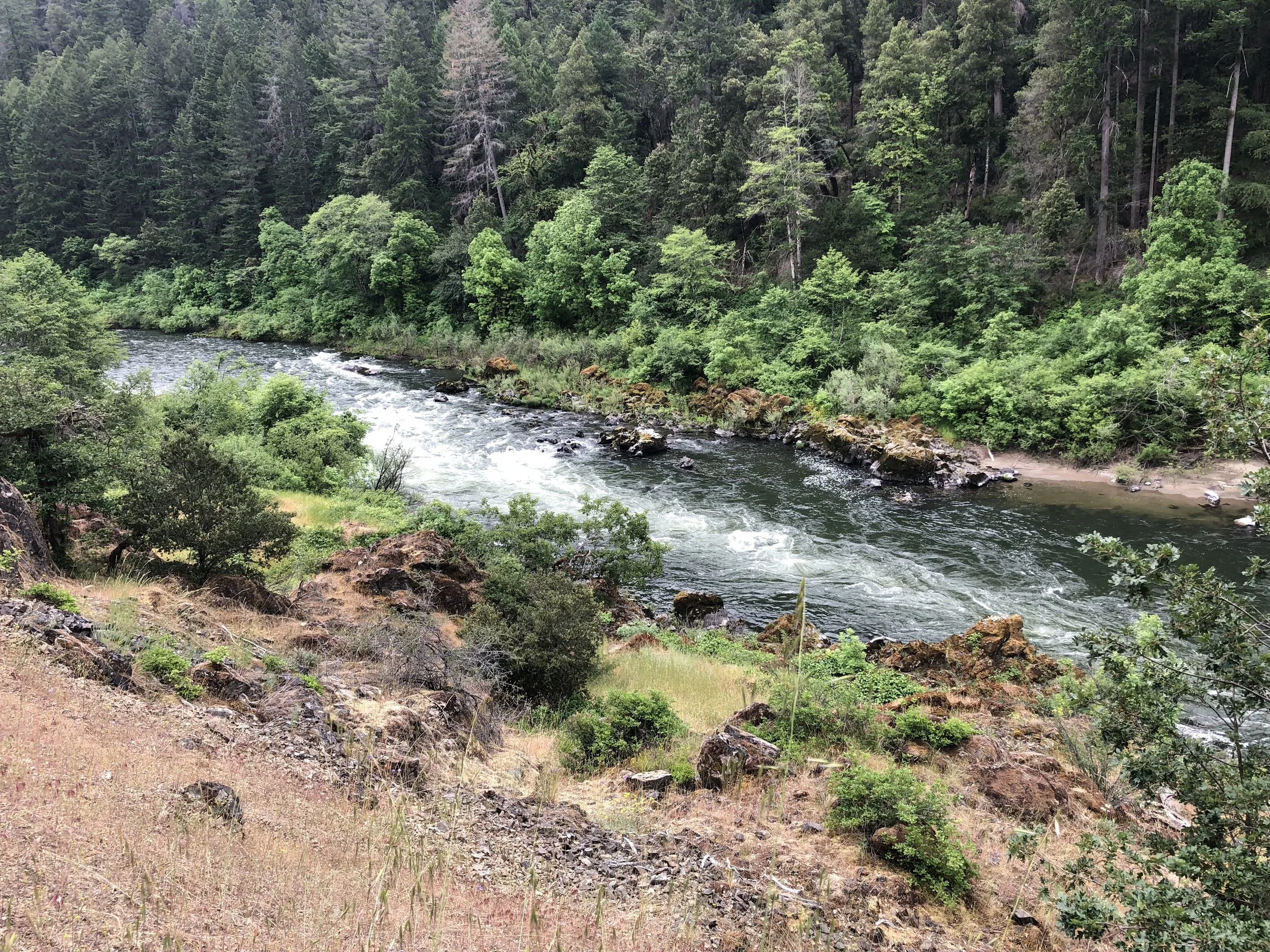
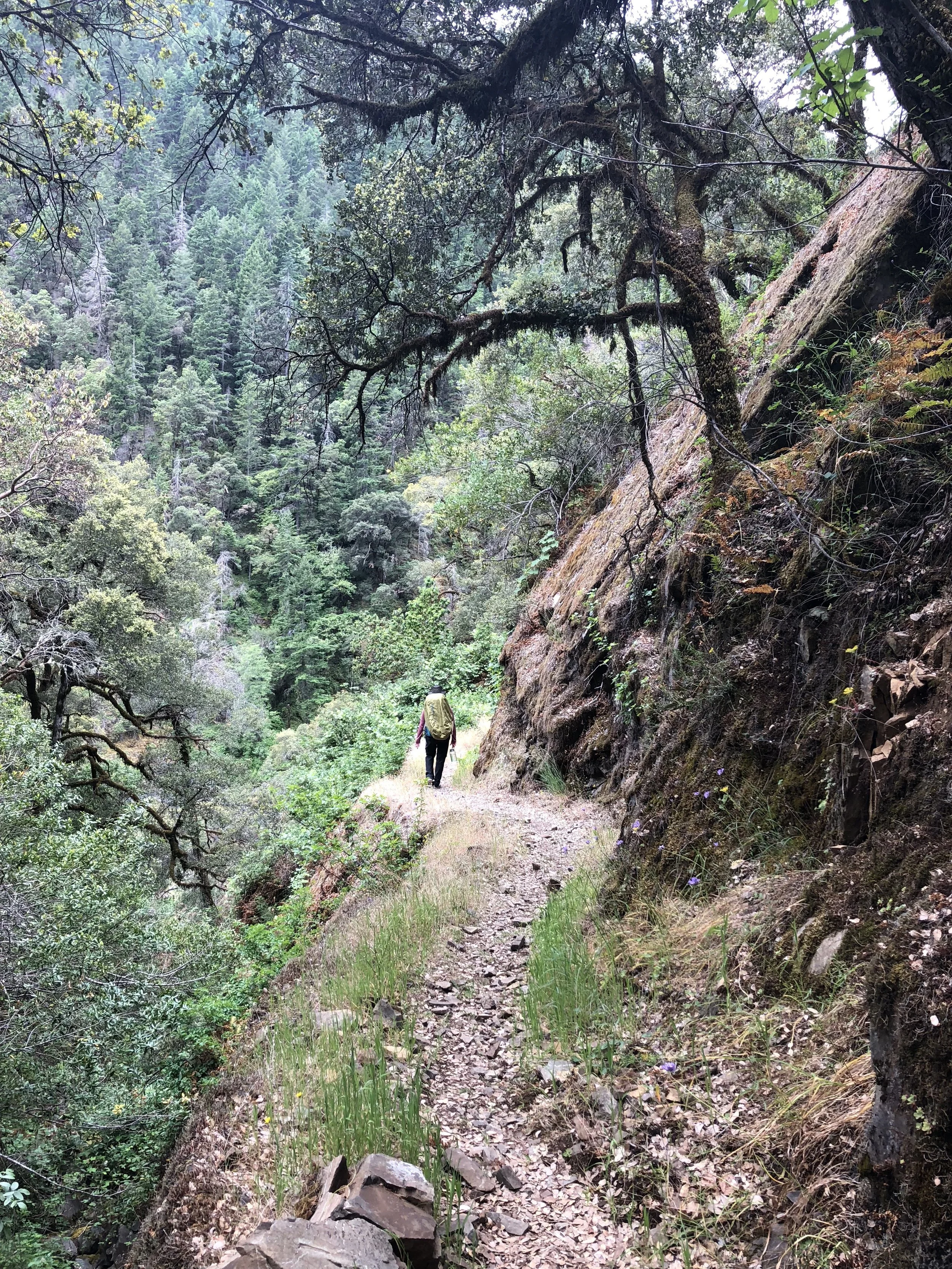
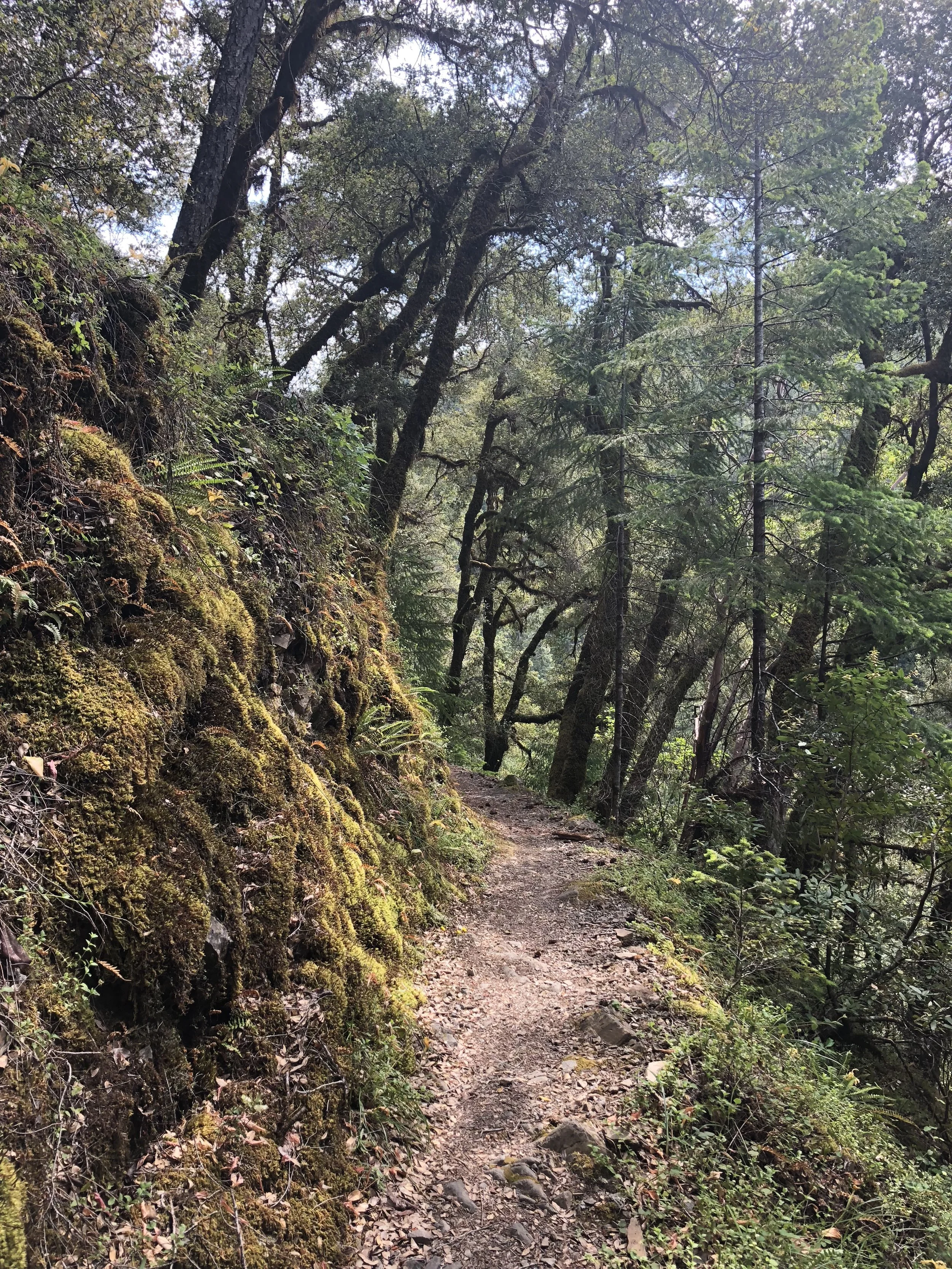
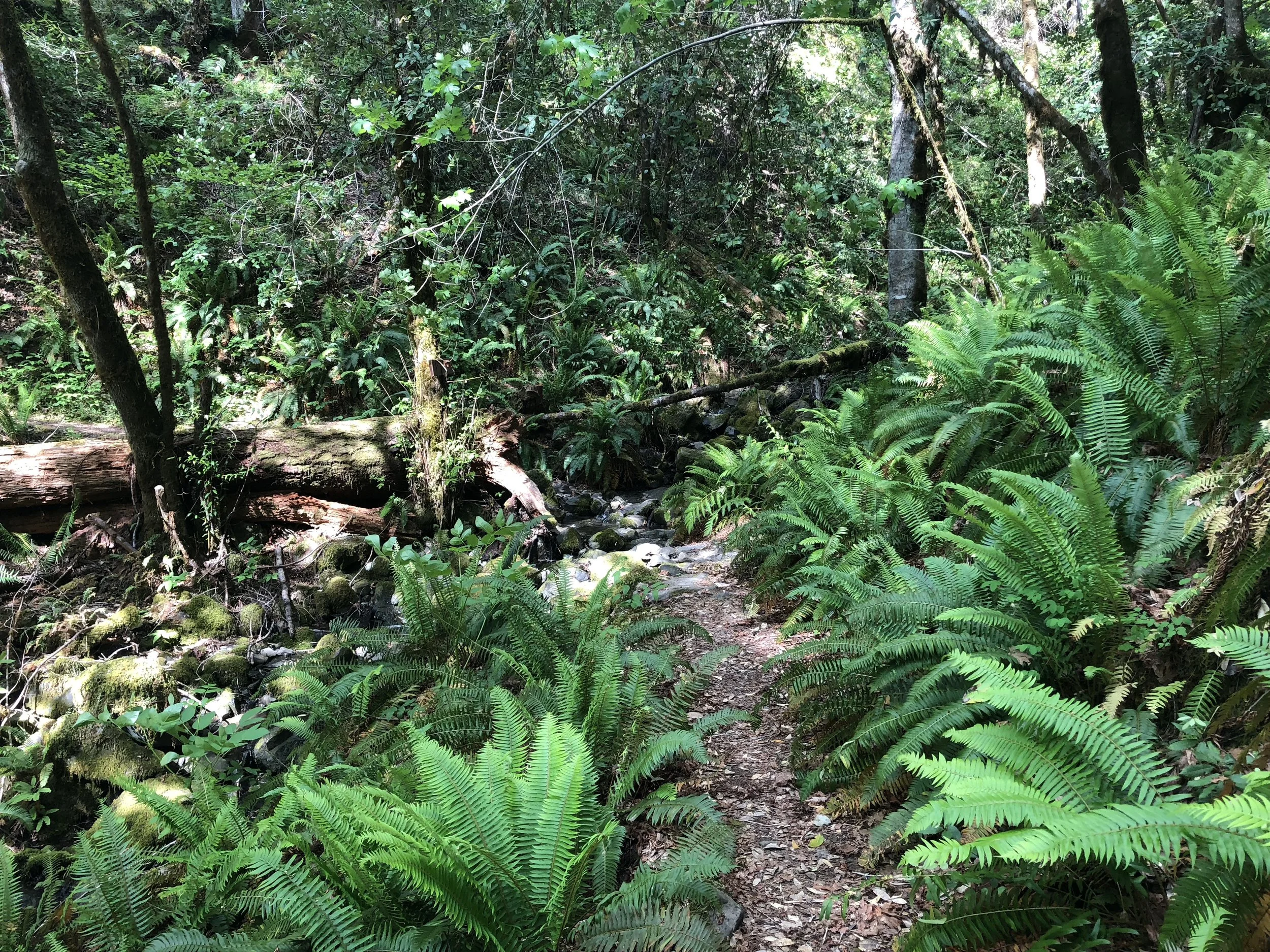
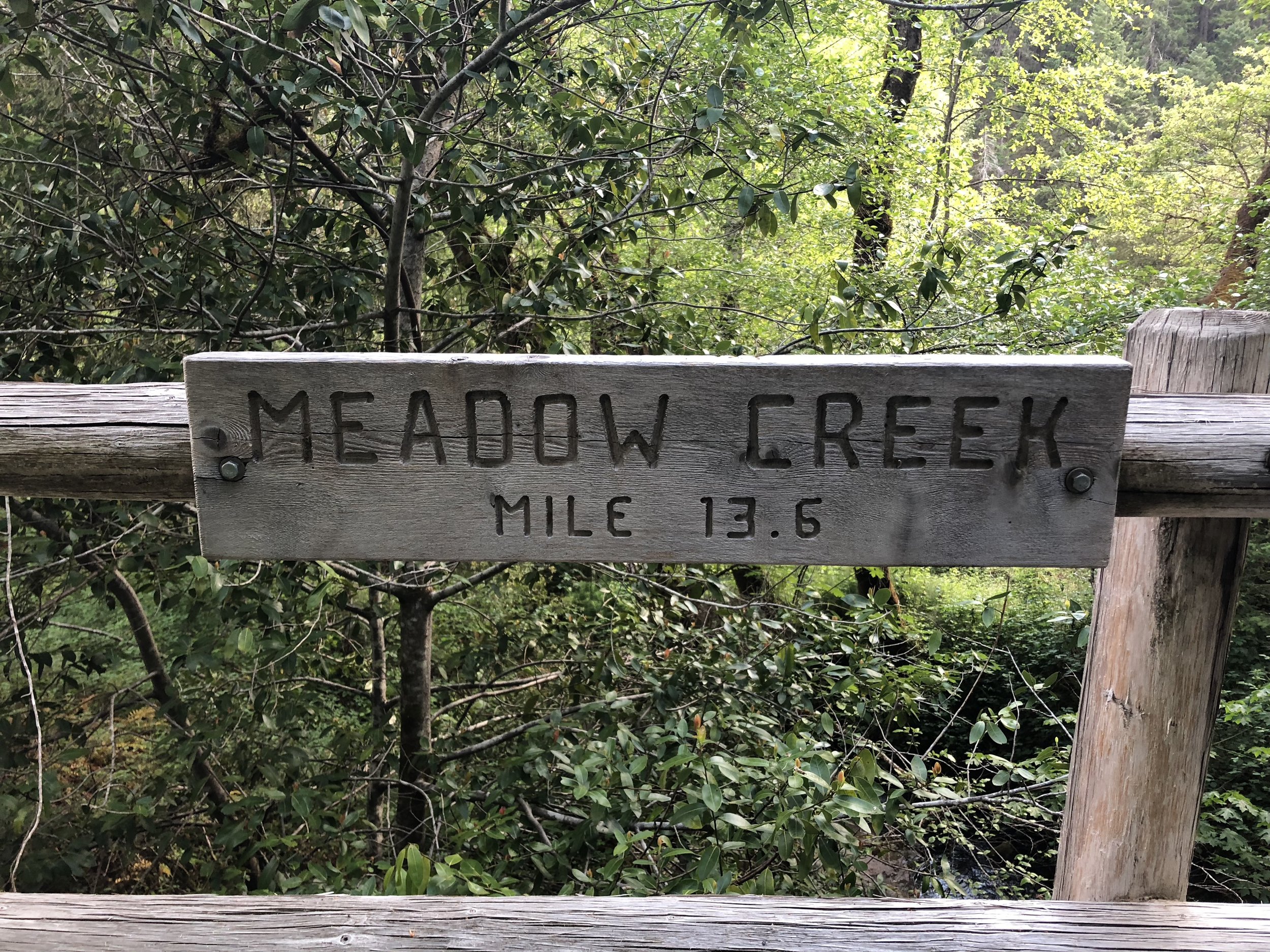
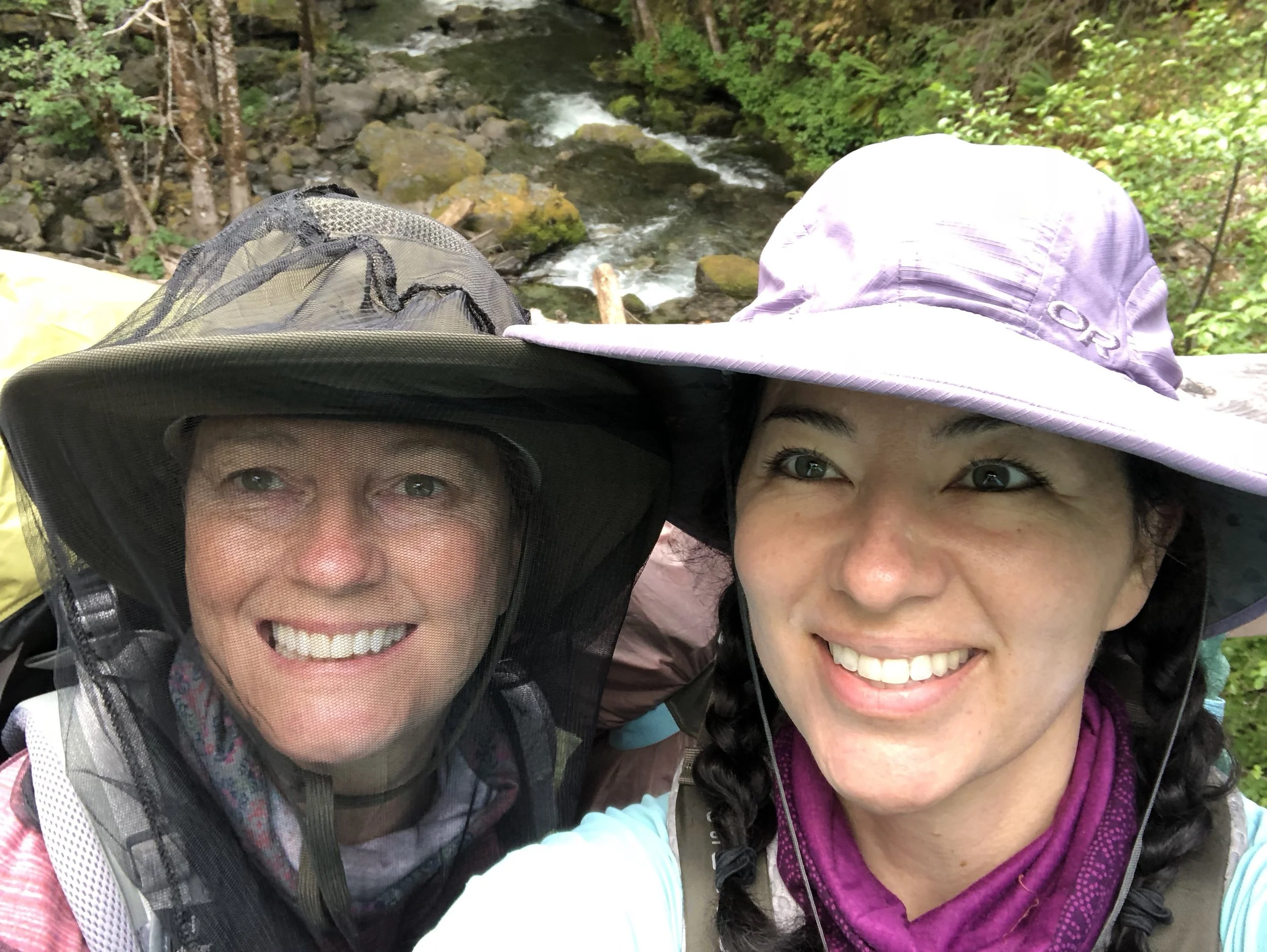
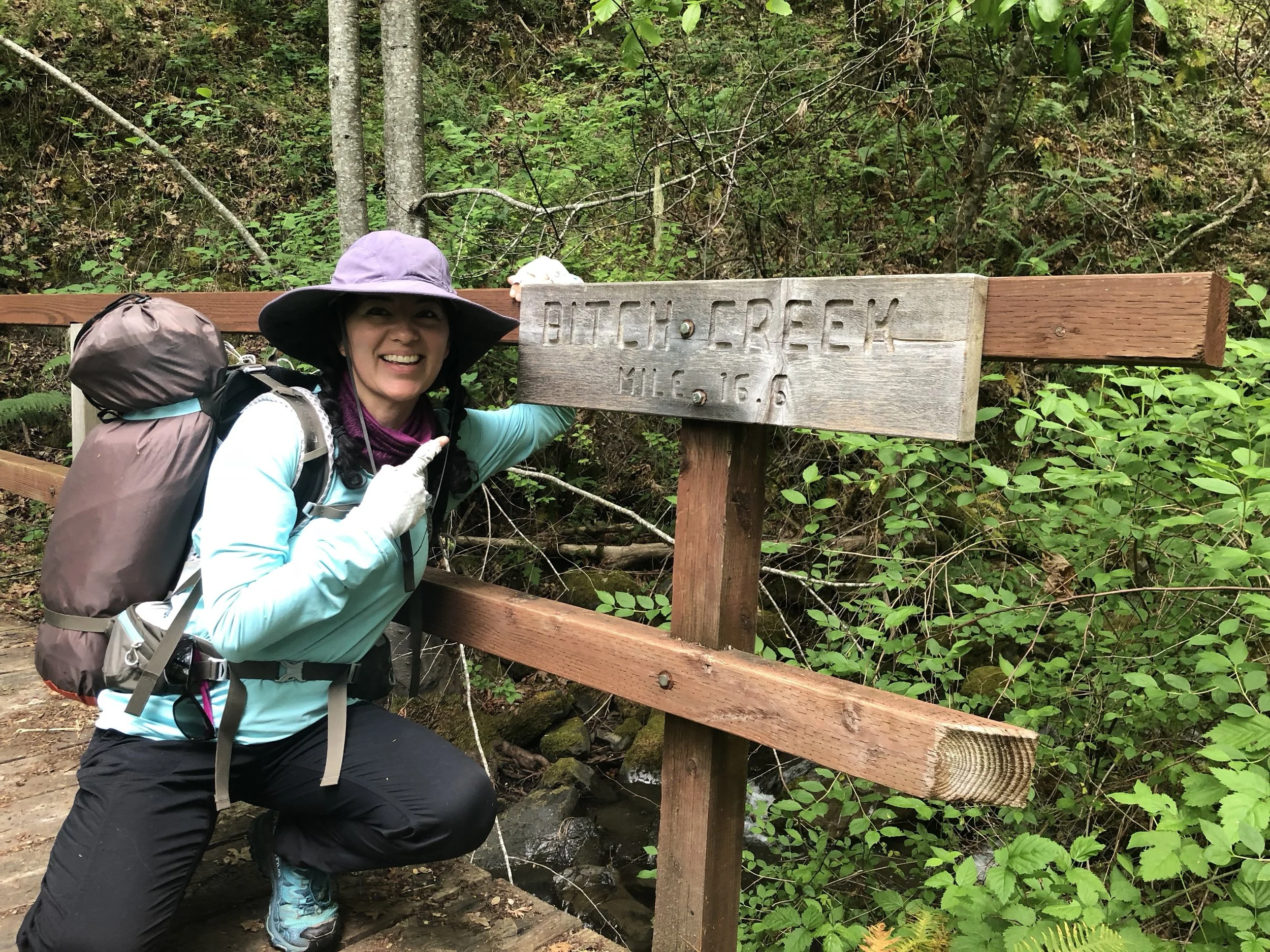
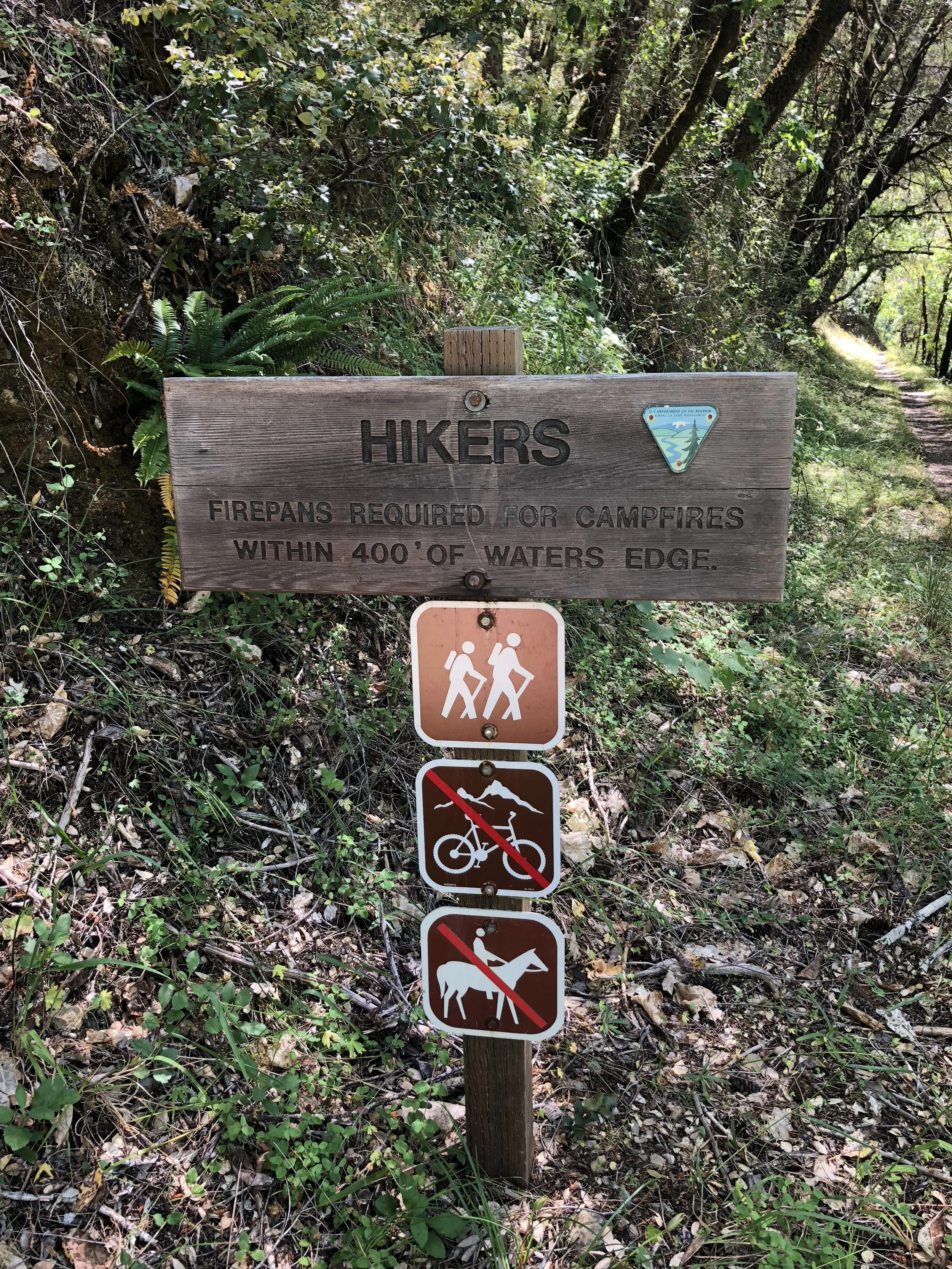
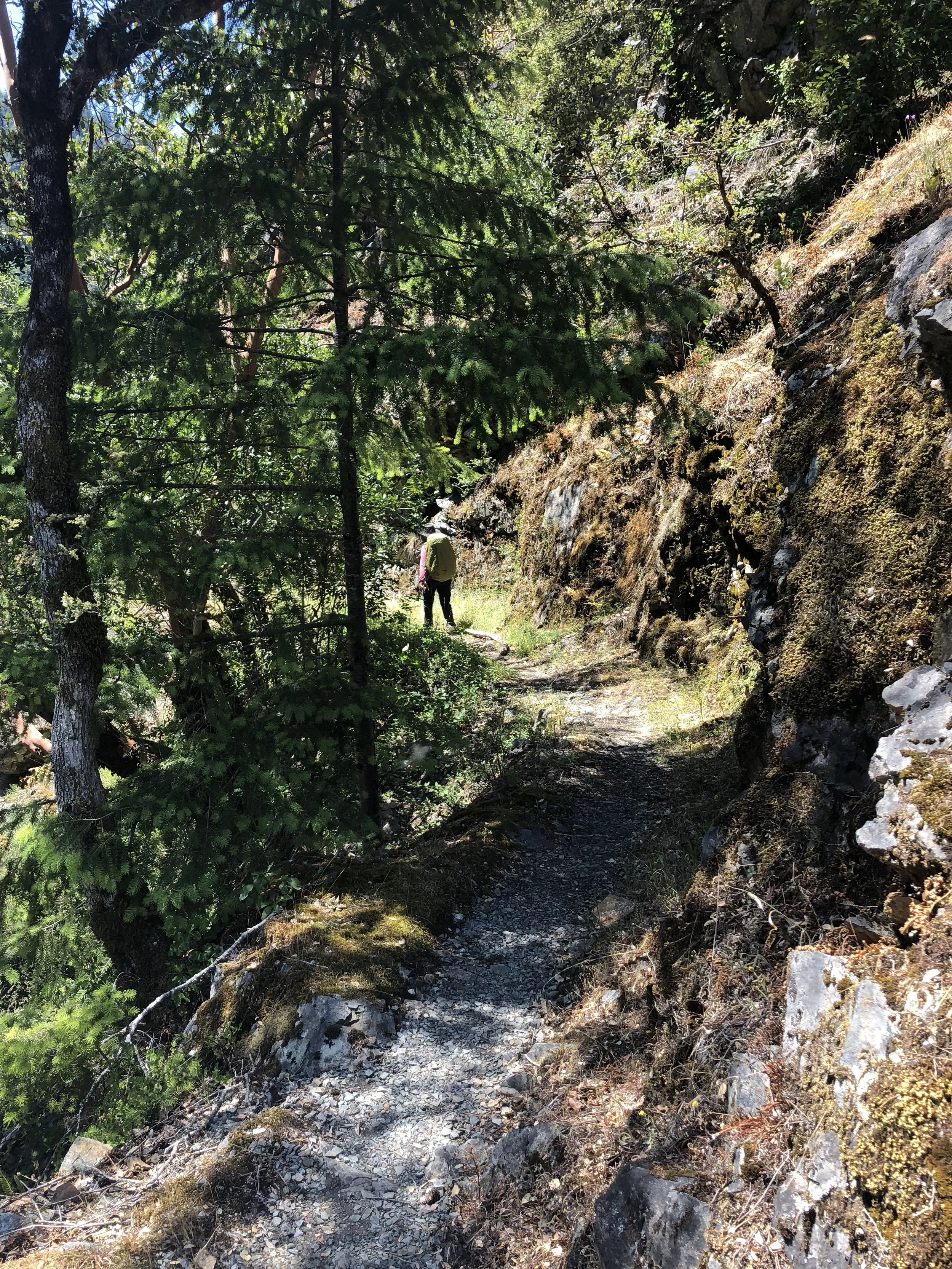
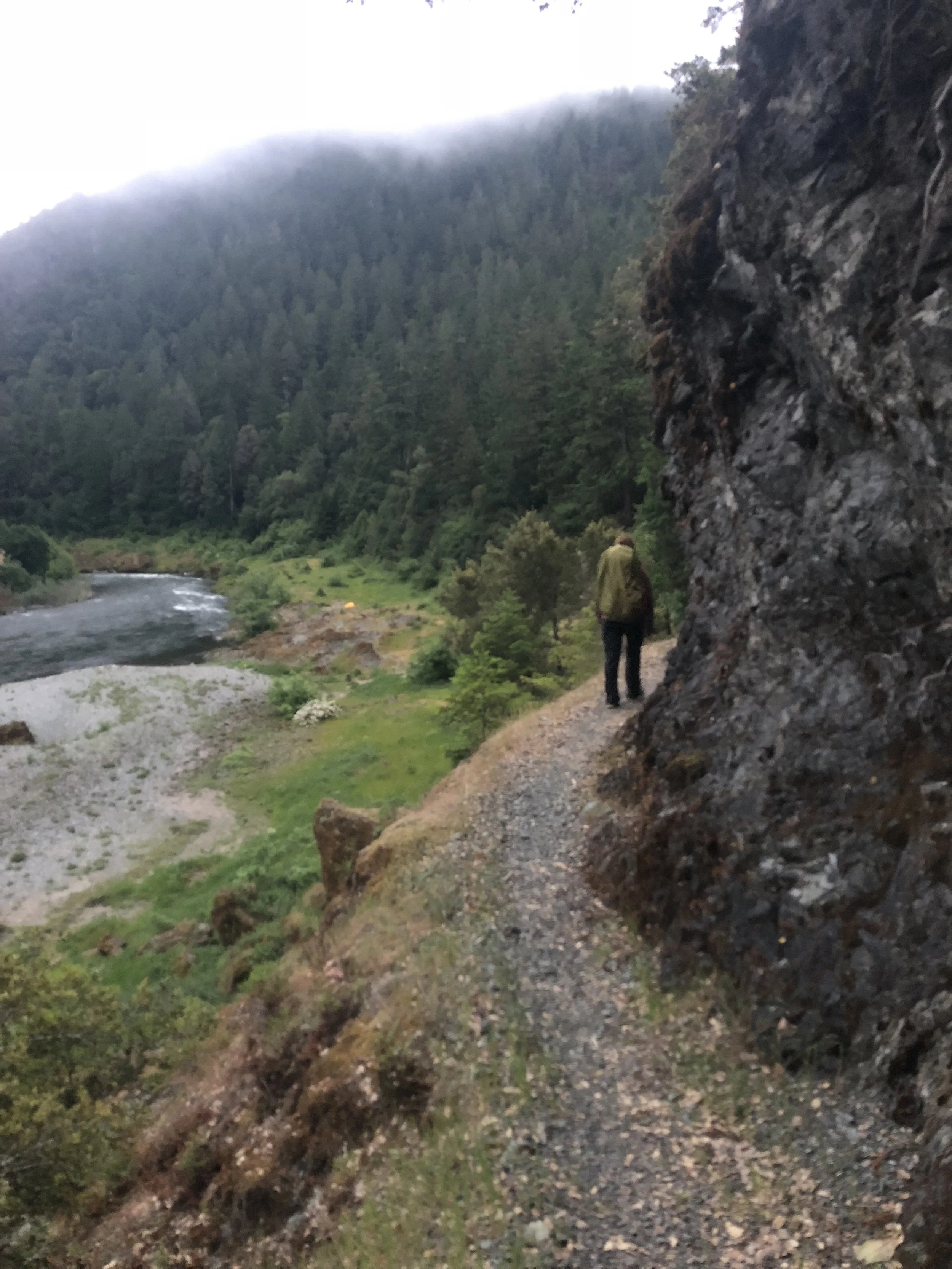
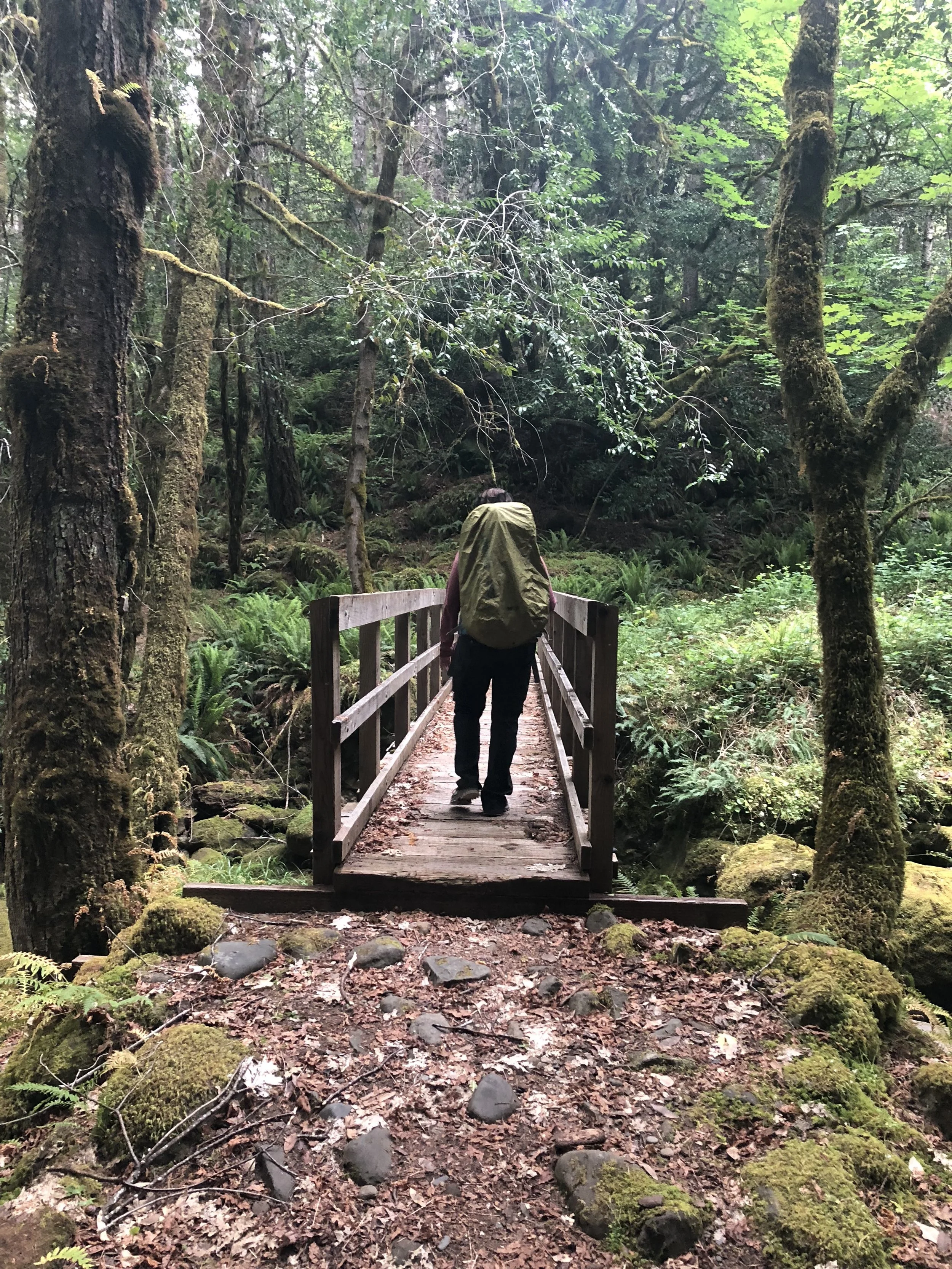
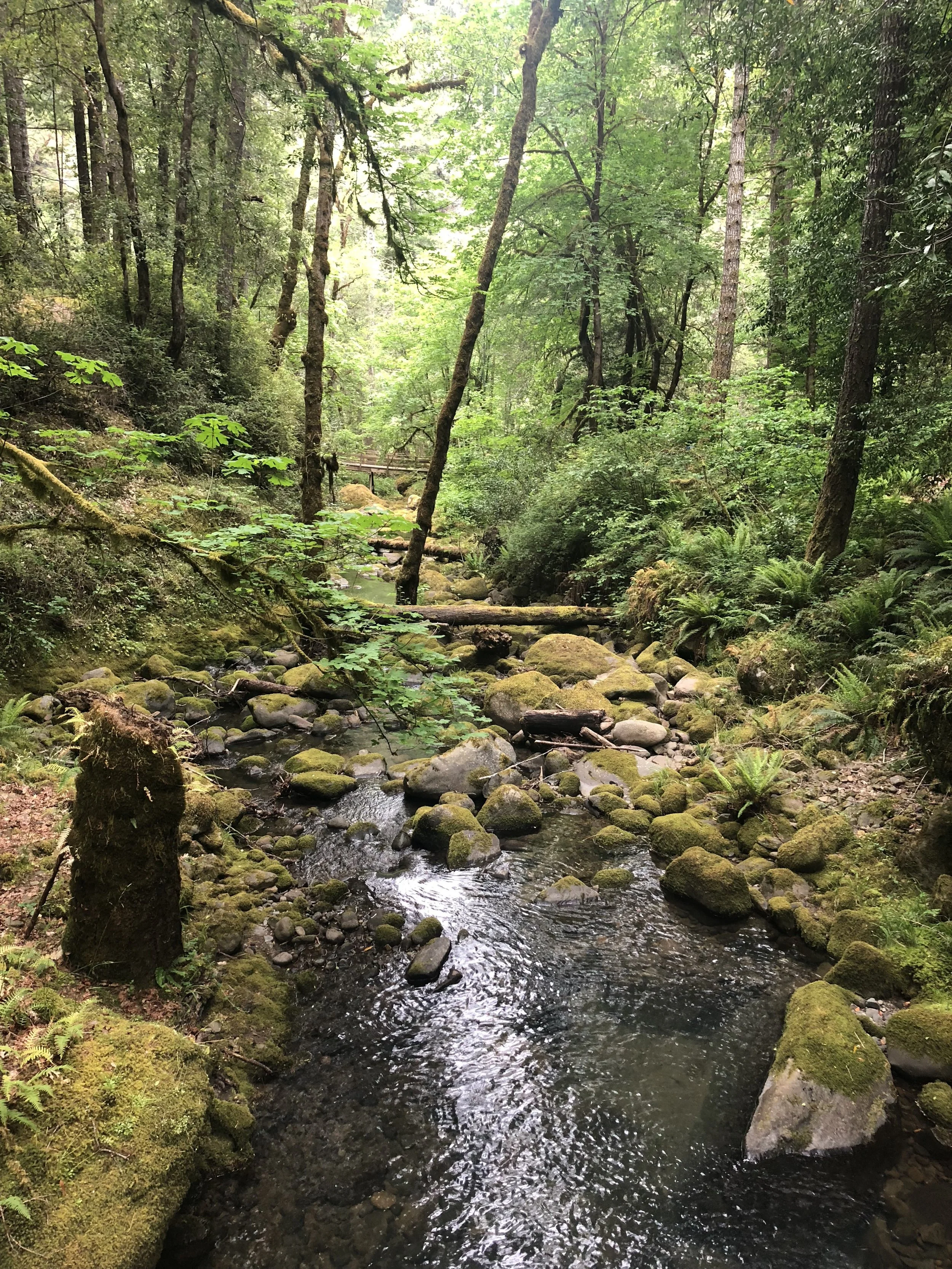
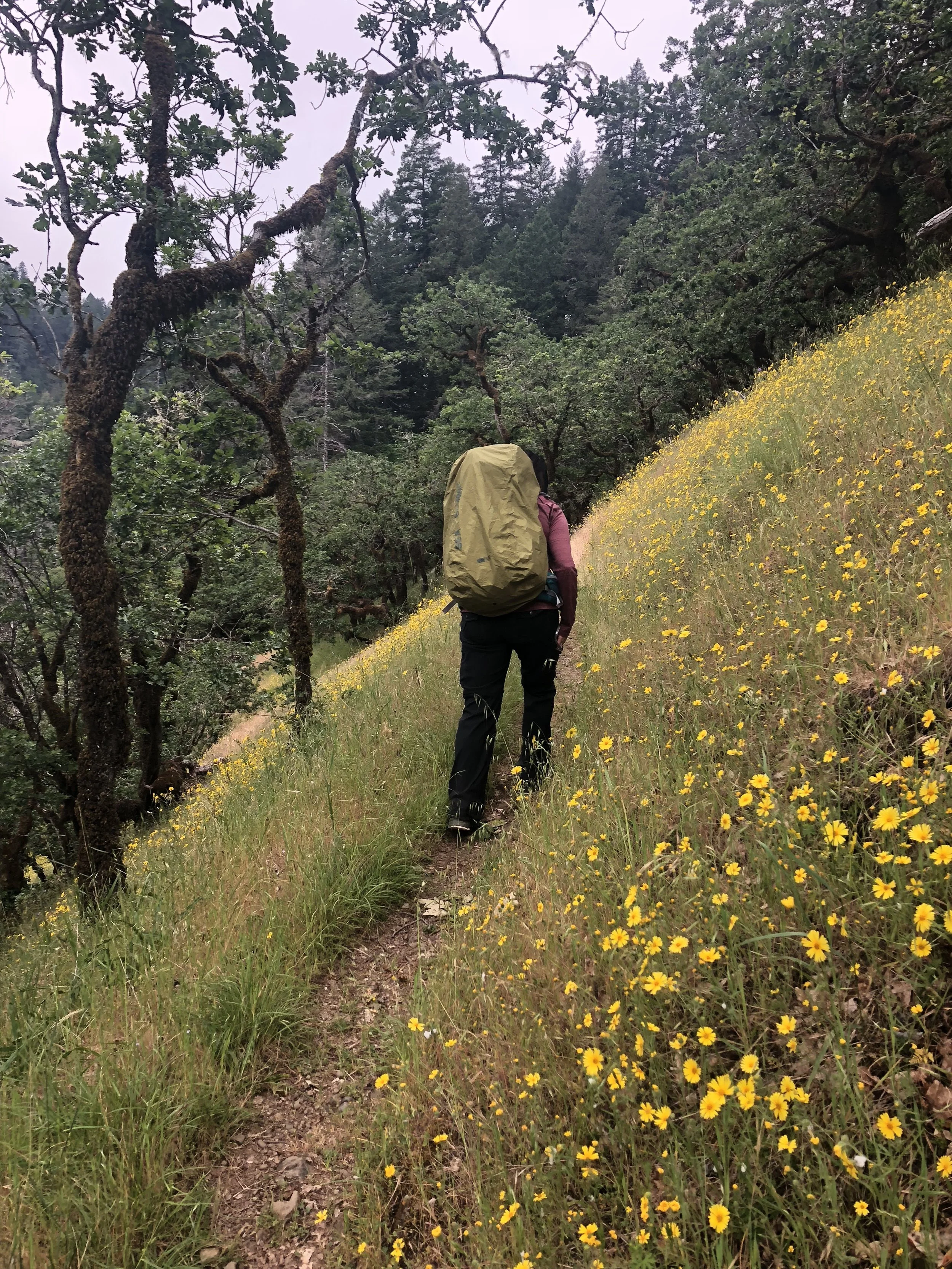
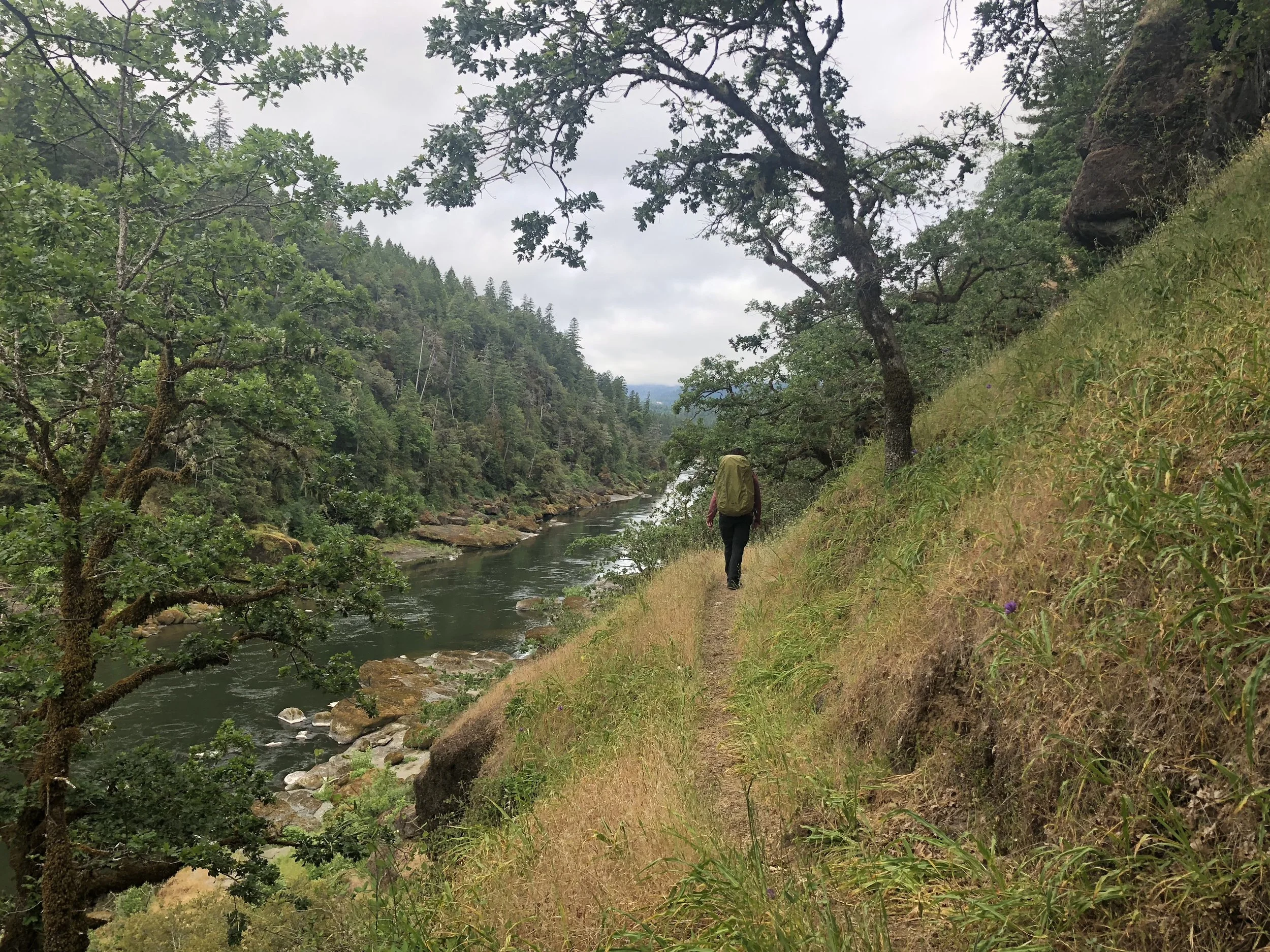
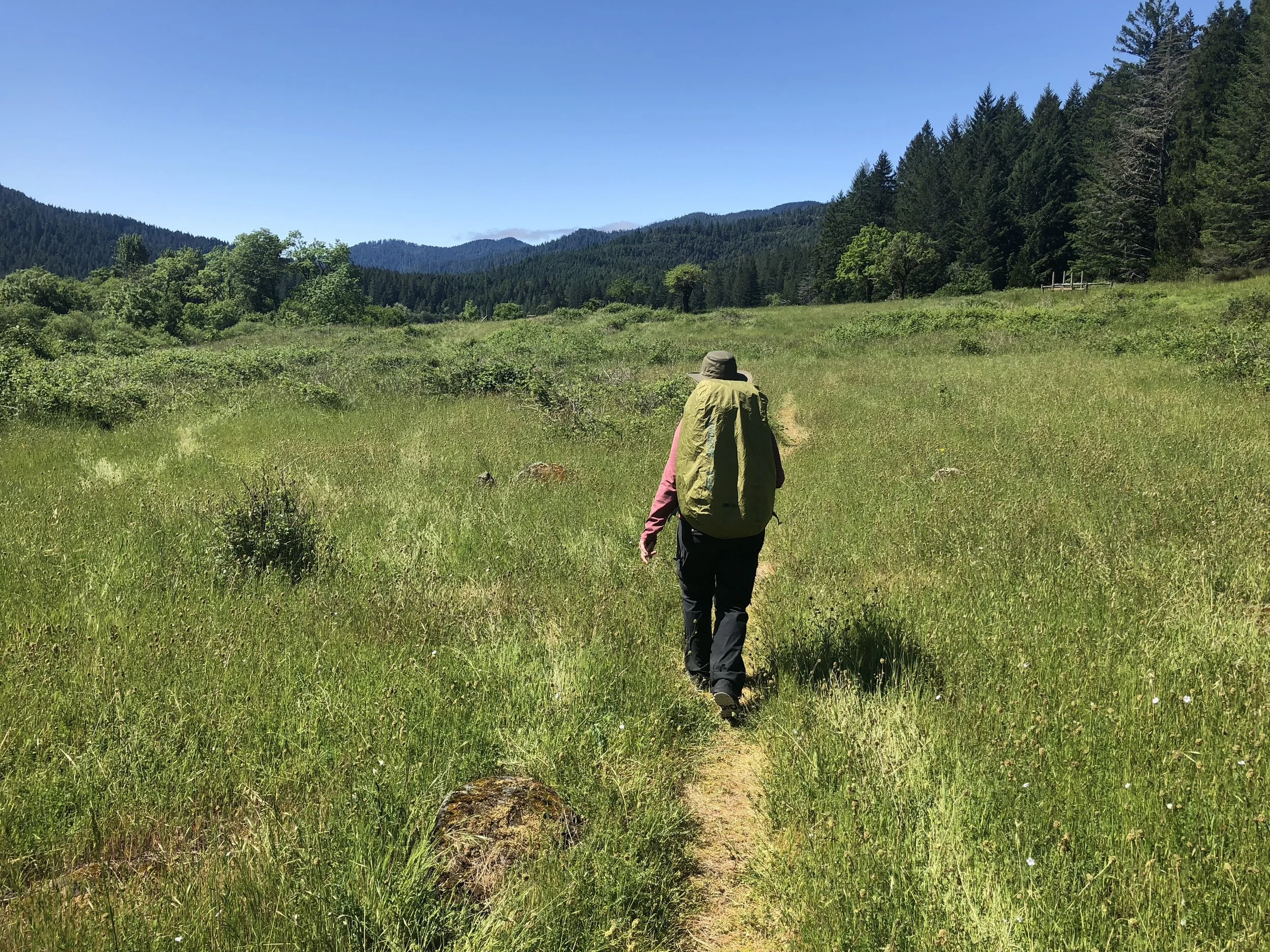
In May 2018, my friend Barb and I headed to southern Oregon to hike the 40-mile Rogue River Trail, one of the country's classic river hikes and a corridor protected under the Wild and Scenic Rivers Act. The Rogue was one of the original rivers designated in 1968, and walking alongside it today feels like a reminder of why that legislation mattered.
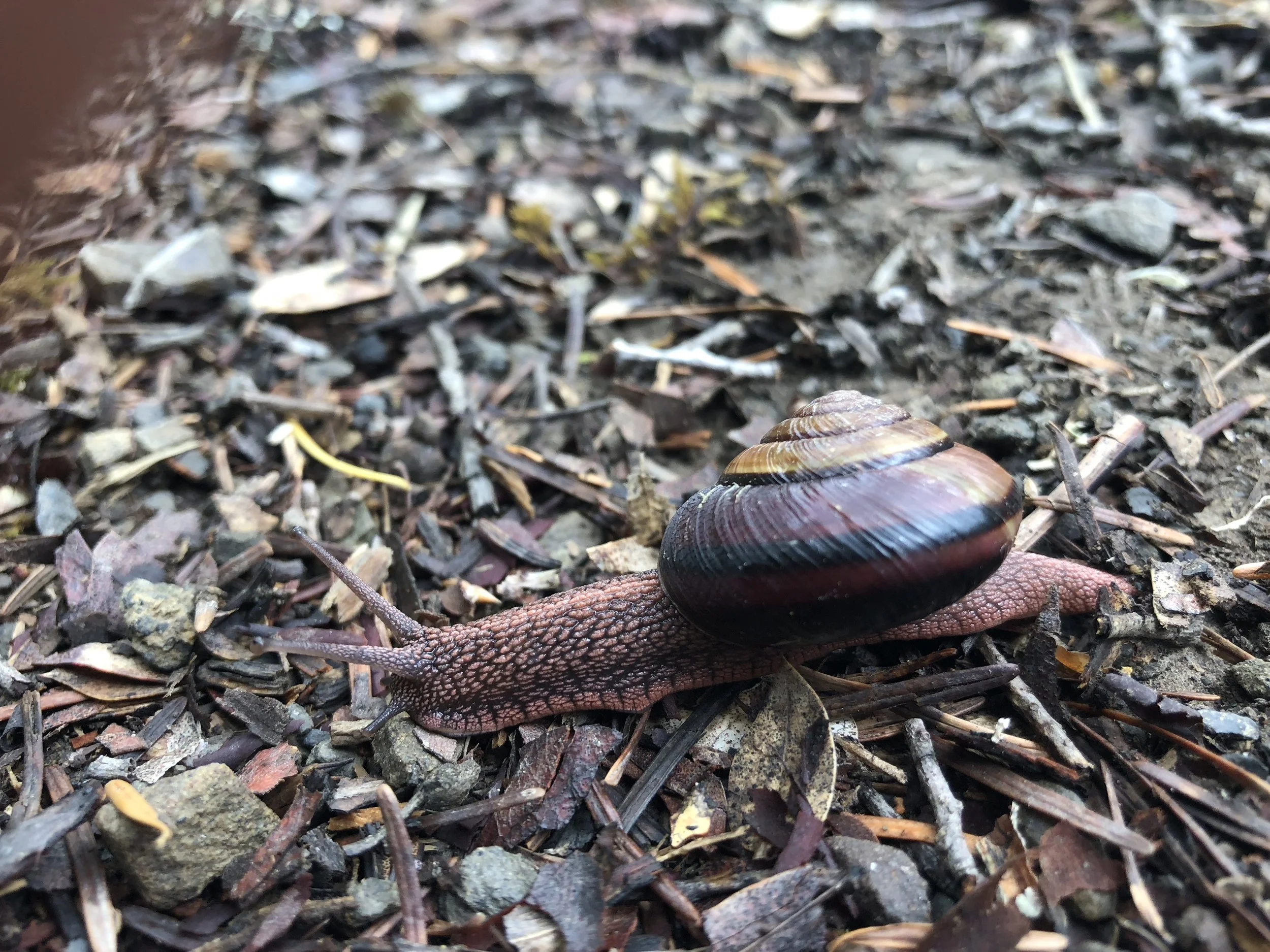
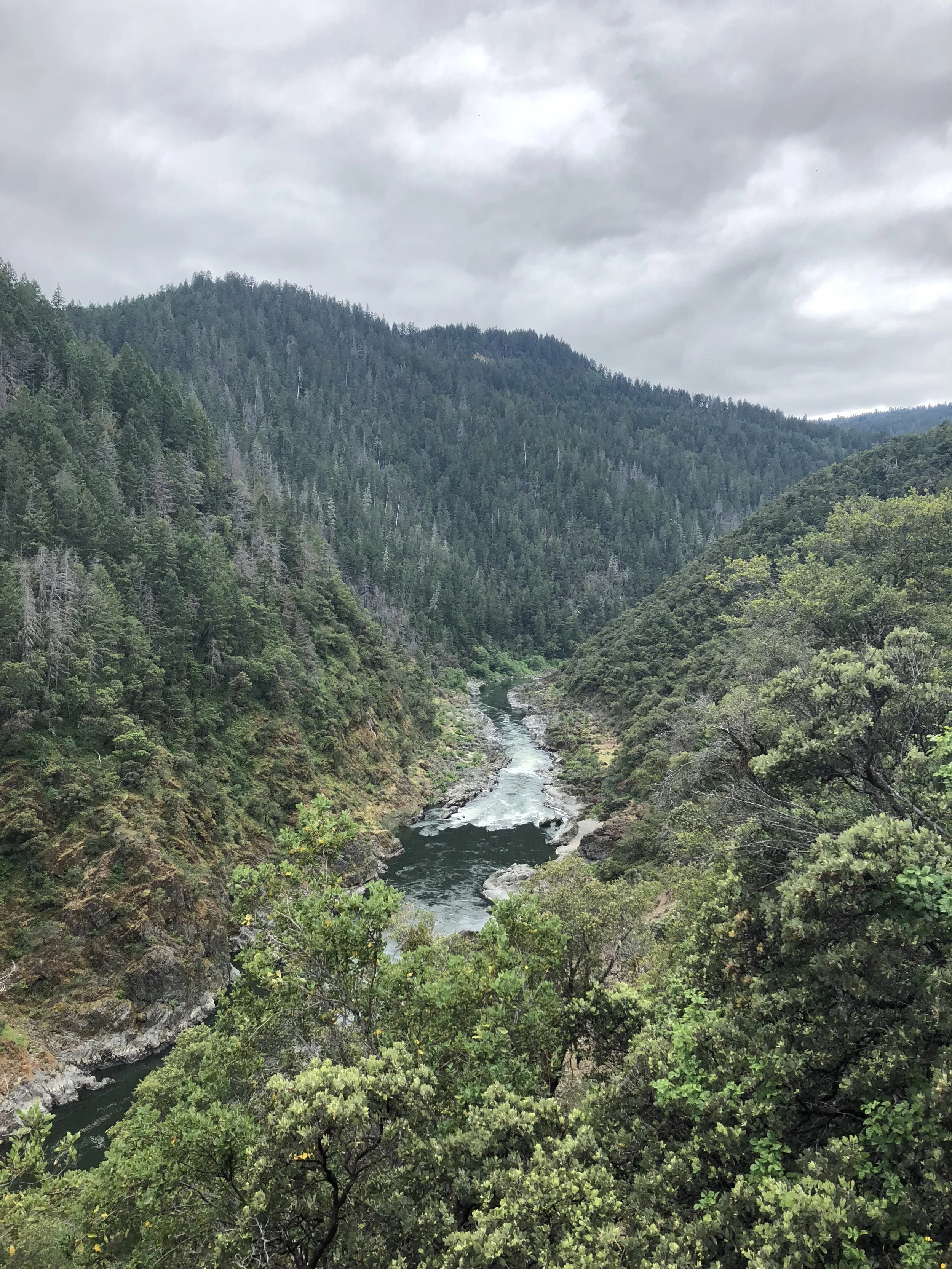
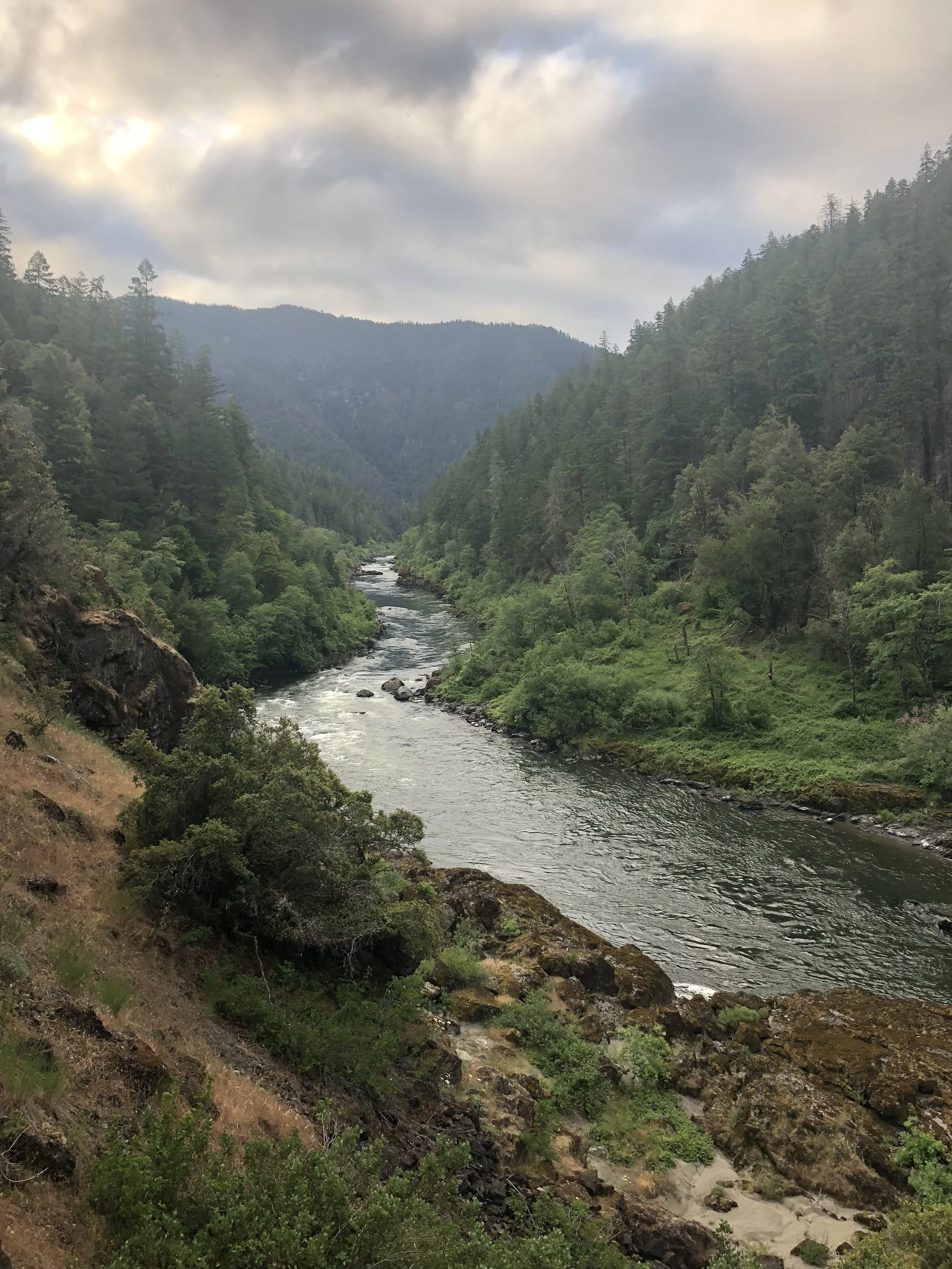
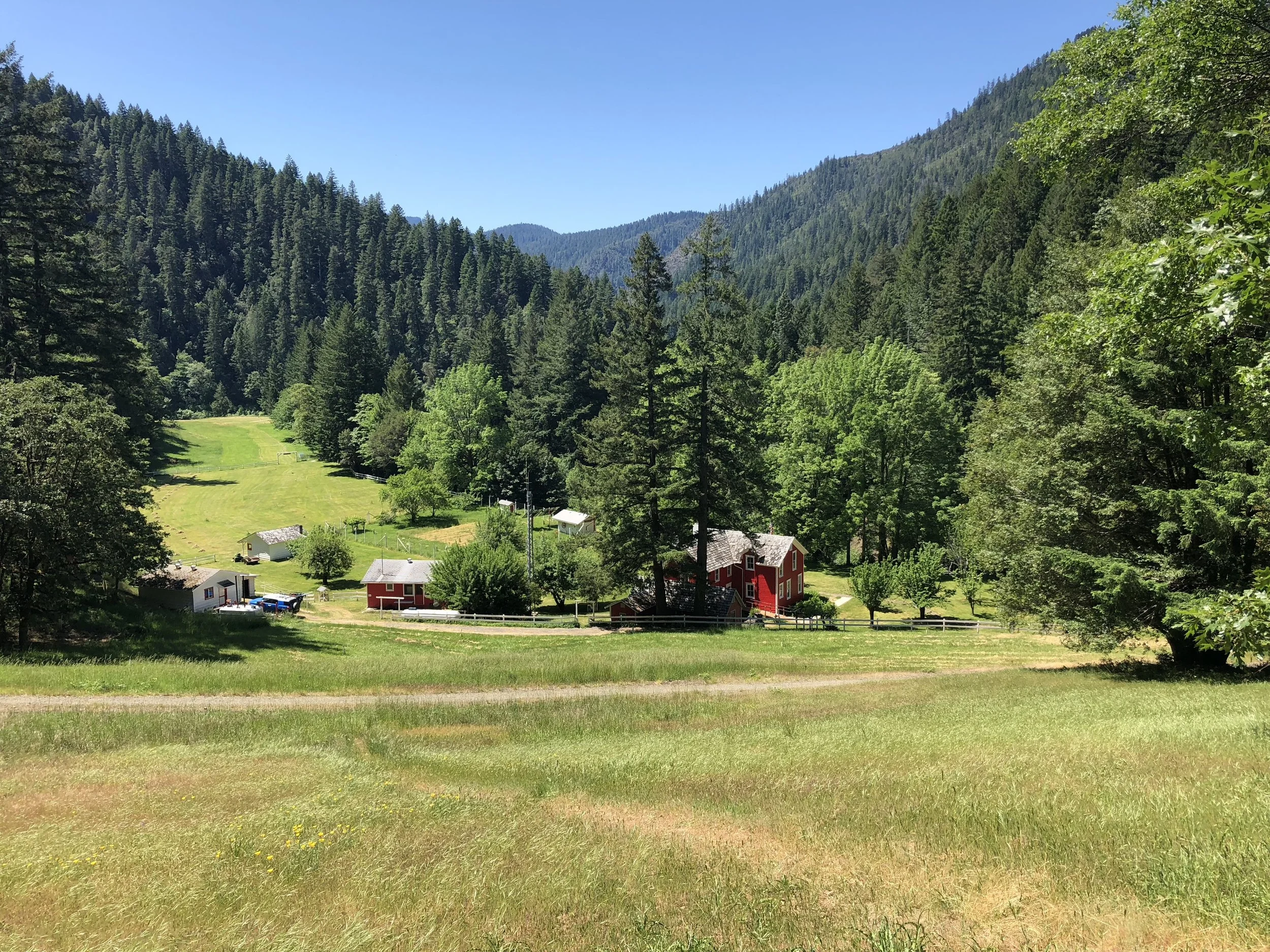
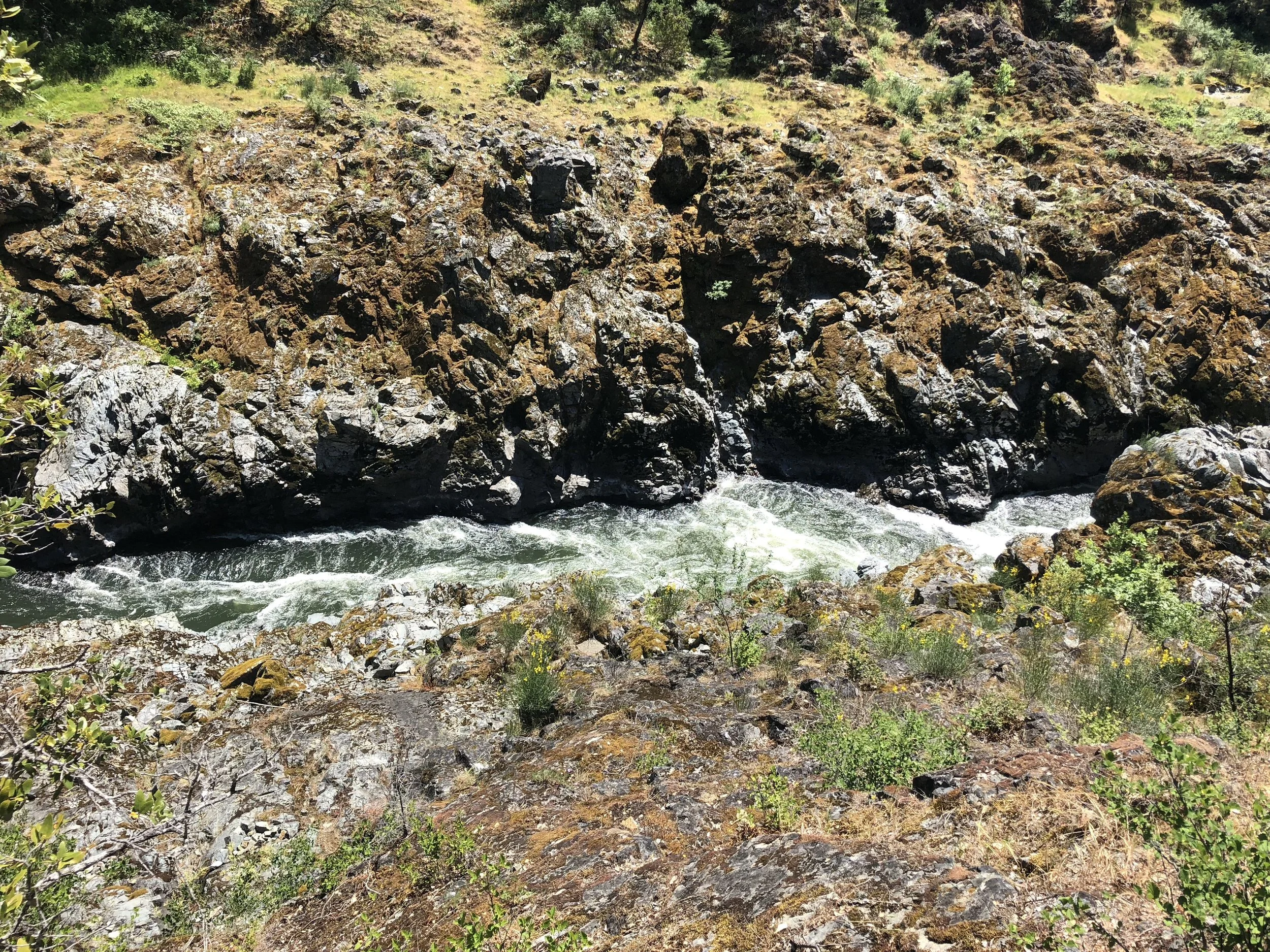
The trail follows a river that has shaped this landscape for thousands of years. Indigenous peoples lived along its banks long before miners arrived during the gold rush era. Today, the canyon remains a refuge for salmon, steelhead, osprey, black bears, and people looking for a few days away from roads and schedules.
And then there's river culture.
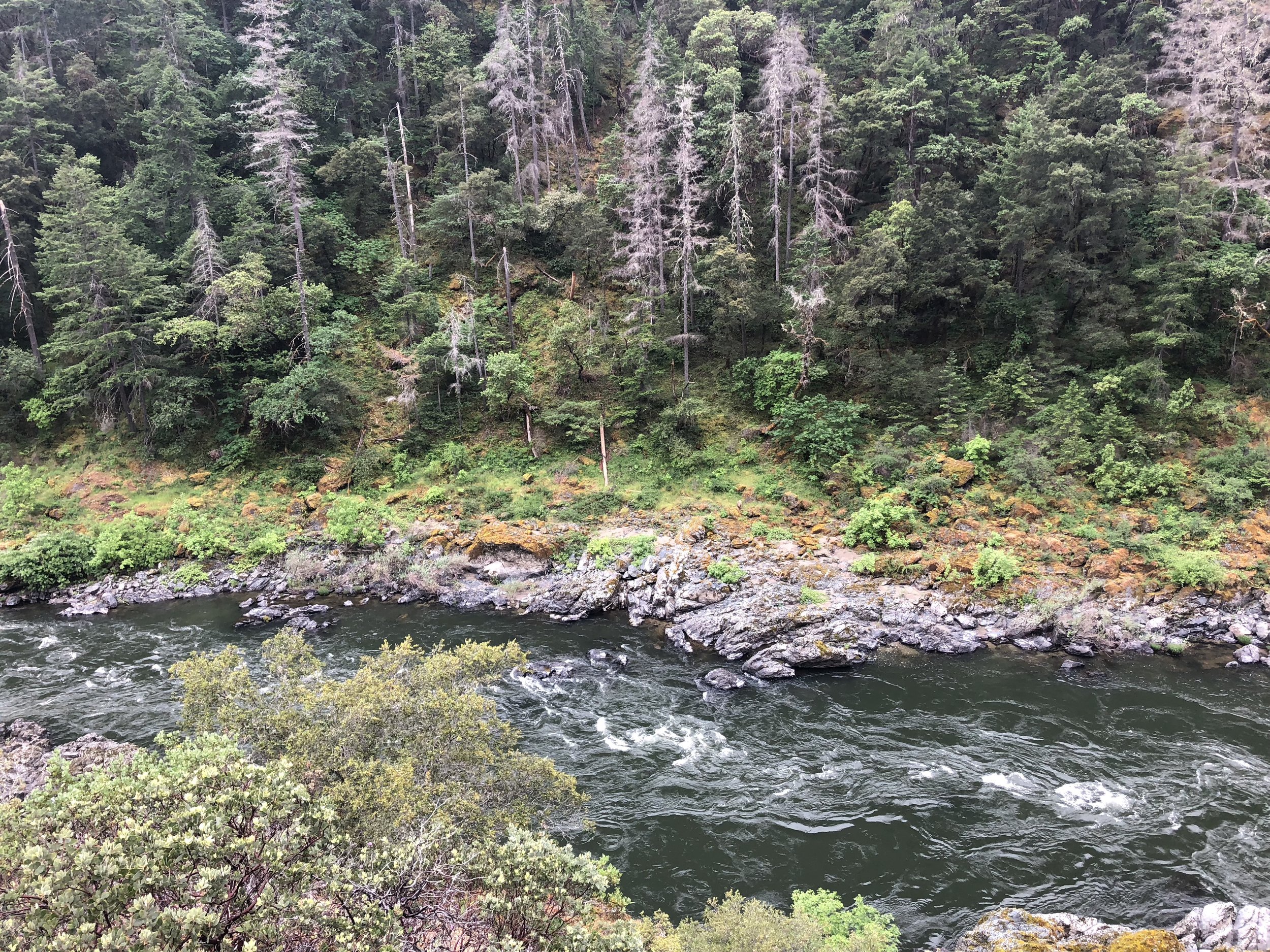
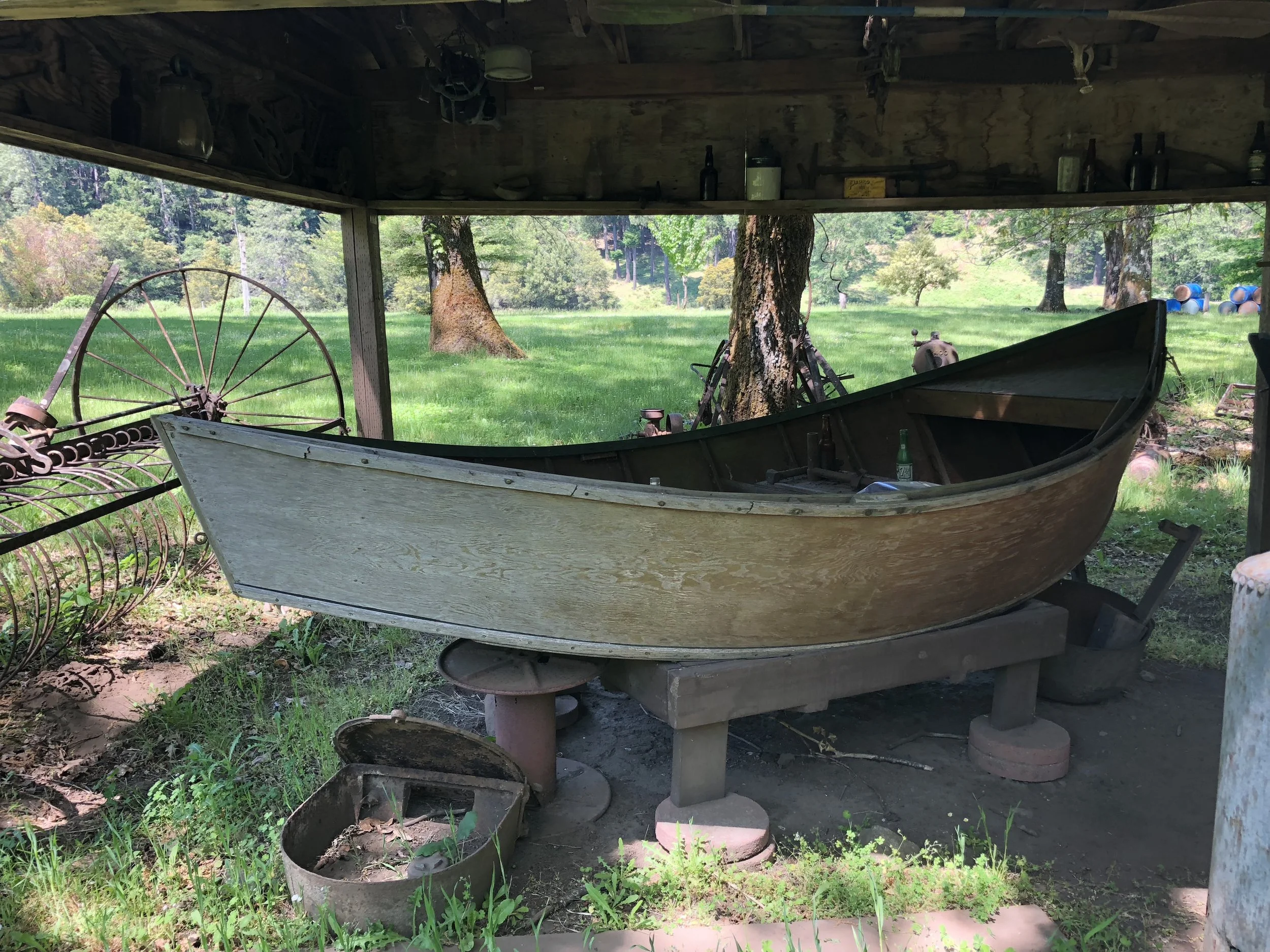
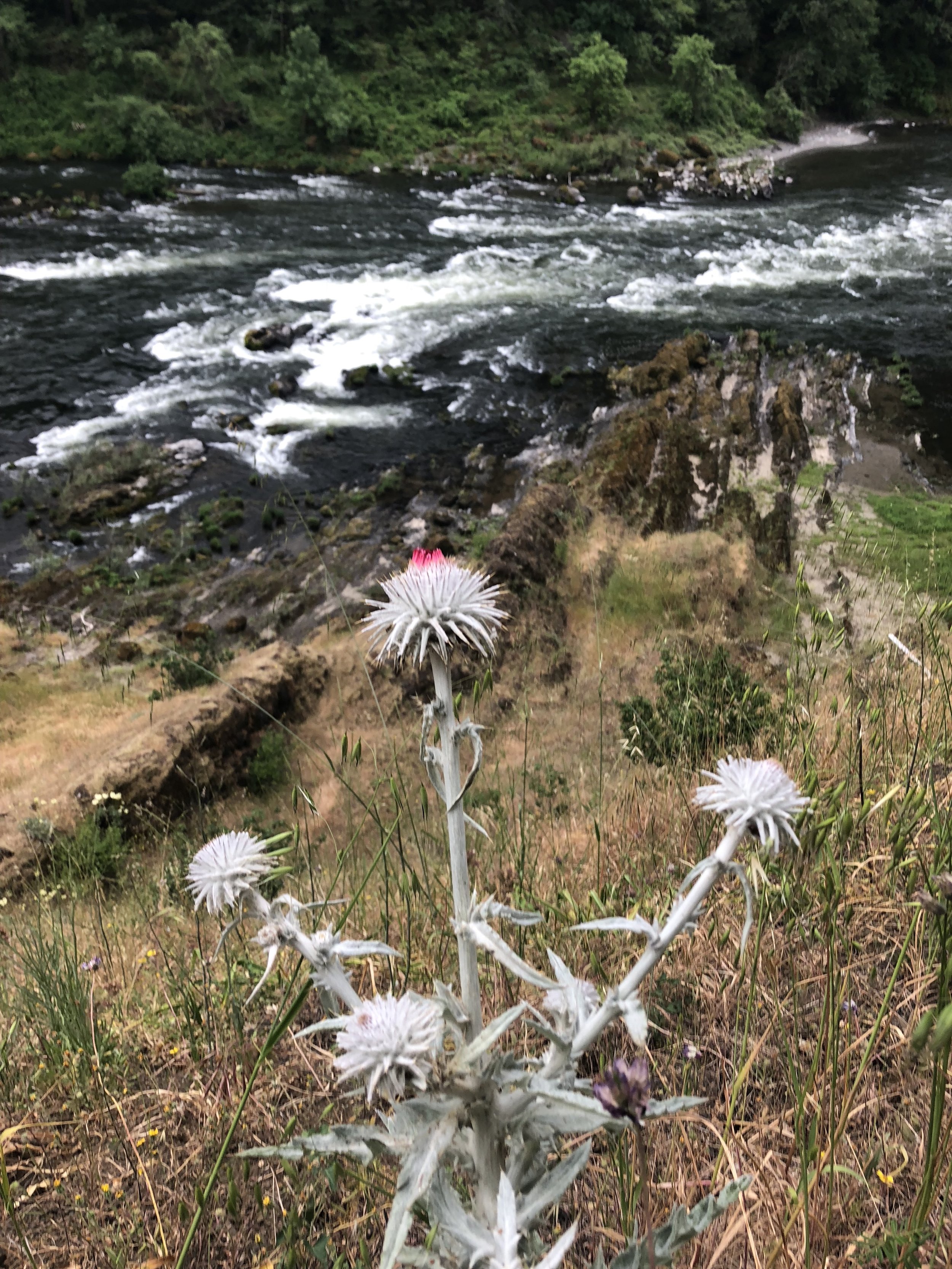
As we hiked, we watched guides maneuver rafts through the rapids below. I've always been drawn to river history. Years earlier, I floated through the Grand Canyon in a wooden dory and later took a boat-building class. There's something about dories—their elegance, their history, their stubborn refusal to take the easy line through a rapid—that captures the spirit of wild rivers.
Anyway.
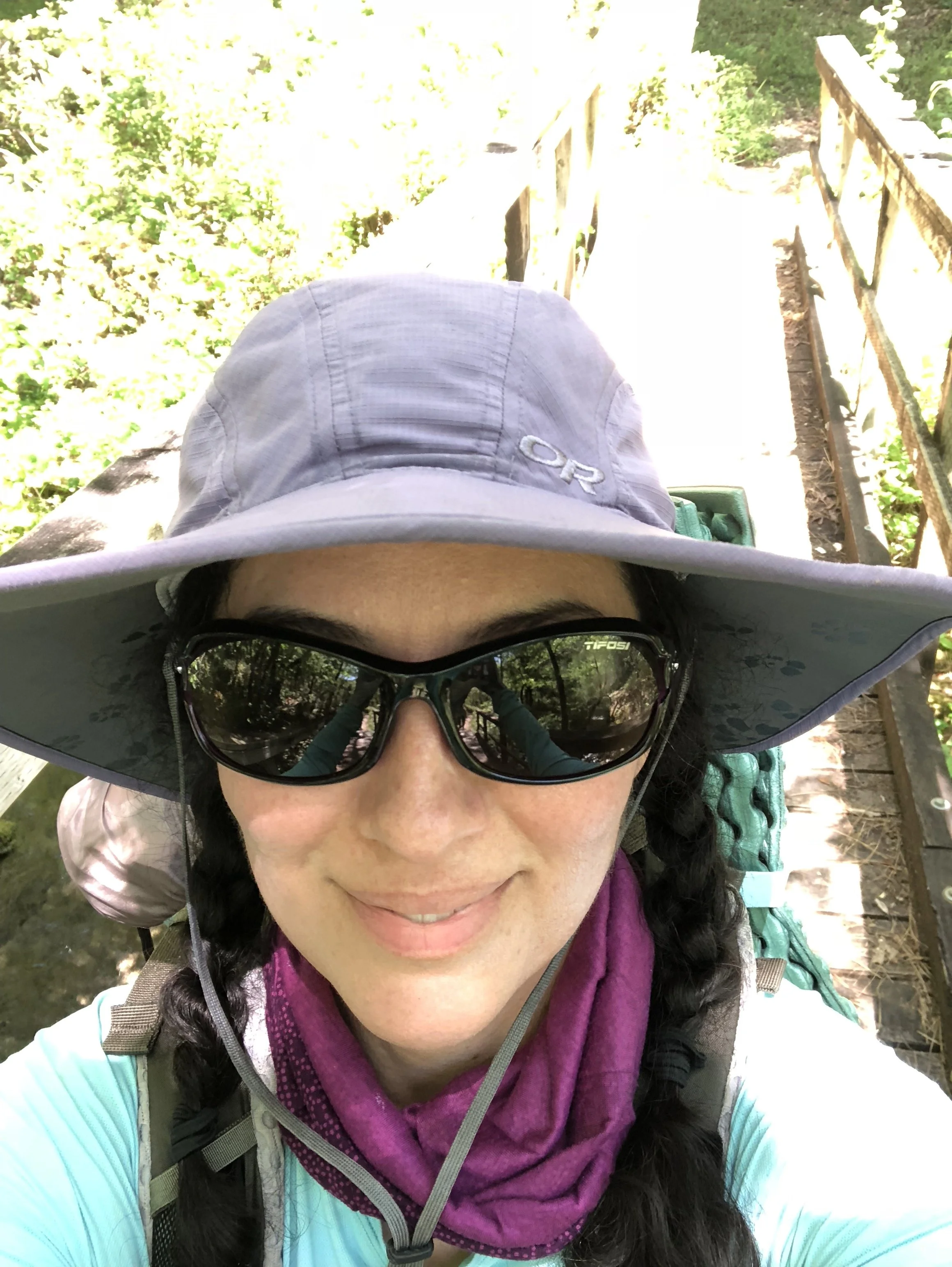
Barb decided backpacking wasn't a reason to abandon civilized living and packed a box of wine. Not wine. A box of wine. Every uphill climb became a discussion about priorities.
Then came the tick.
At some point along the trail, one attached itself to the back of Barb's neck. I had recently completed my Wilderness First Responder certification and was feeling perhaps a little too confident. My recommendation involved placing a bug-repellent wipe over the tick in hopes it would politely reverse course and leave. This was not supported by science, common sense, or apparently the tick.
The tick remained.
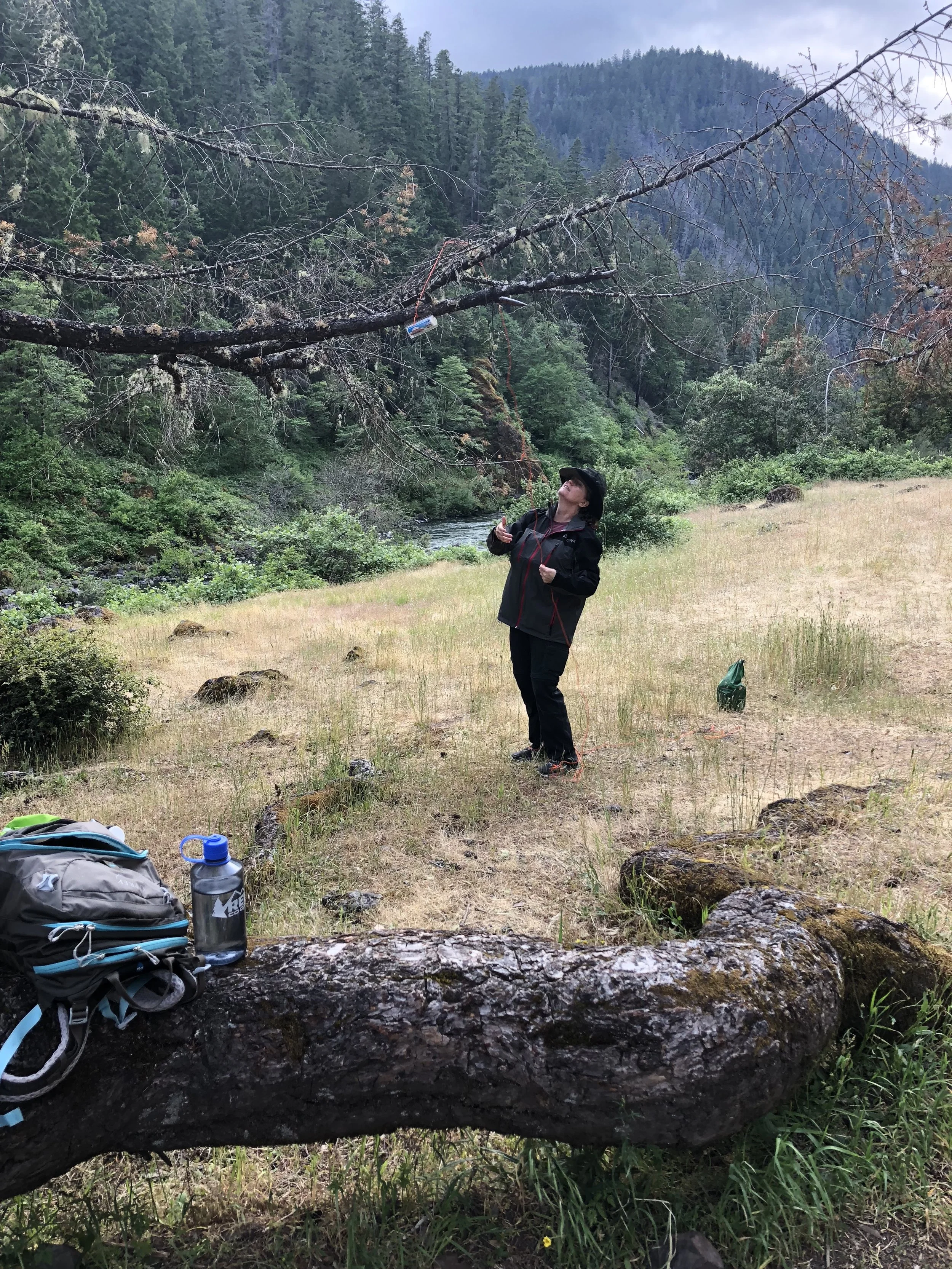
The next challenge was hanging our food. Every backpacking book makes this sound straightforward. Our attempt involved rope, gravity, increasingly creative theories, and enough fumbling to qualify as performance art. Somehow we got the food off the ground and called it good.
After finishing the hike, we drove north to McMinnville for the UFO Festival, because Oregon is Oregon. By this point Barb had wisely decided to seek actual medical advice regarding the tick bite. While wandering among aliens, spaceships, and people wearing antennae, she visited a doctor and got antibiotics.
That sentence probably only makes sense in Oregon.
Afterward we headed south to Roseburg to spend time with my family. The contrast between several days in a wild river canyon and sitting around a table with family felt just about perfect.
Looking back, what I remember most isn't the mileage. It's the river.
The Rogue remains one of the great conservation success stories in the American West. Free-flowing rivers are increasingly rare. The fact that hikers can still walk for days beside a largely undeveloped river corridor is the direct result of people who fought to protect places like this decades ago.
The Wild and Scenic Rivers Act isn't just a piece of legislation. It's a reason the Rogue still feels like the Rogue.