From Cape Town to Karongwe, exploring the Bushveld
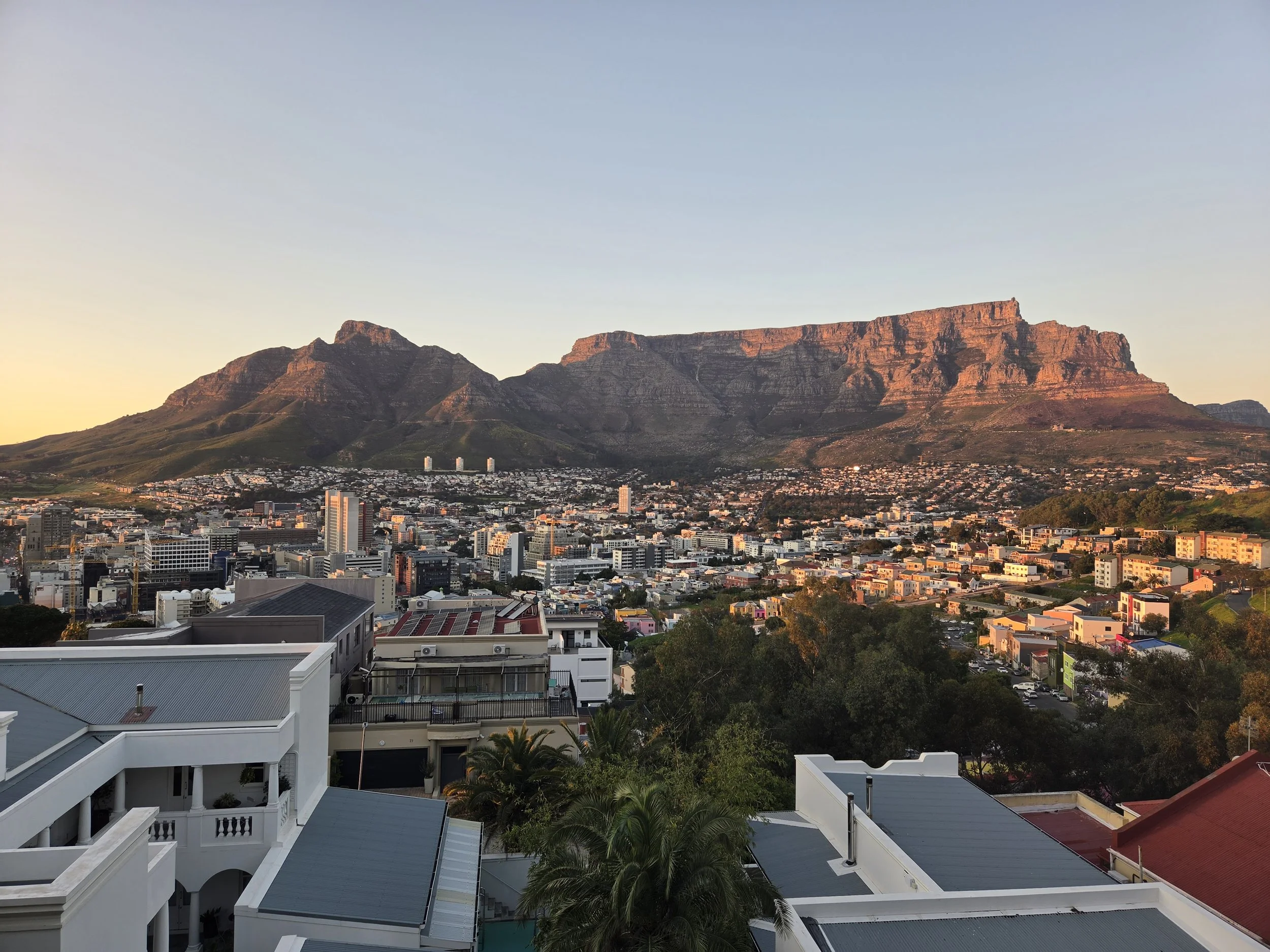
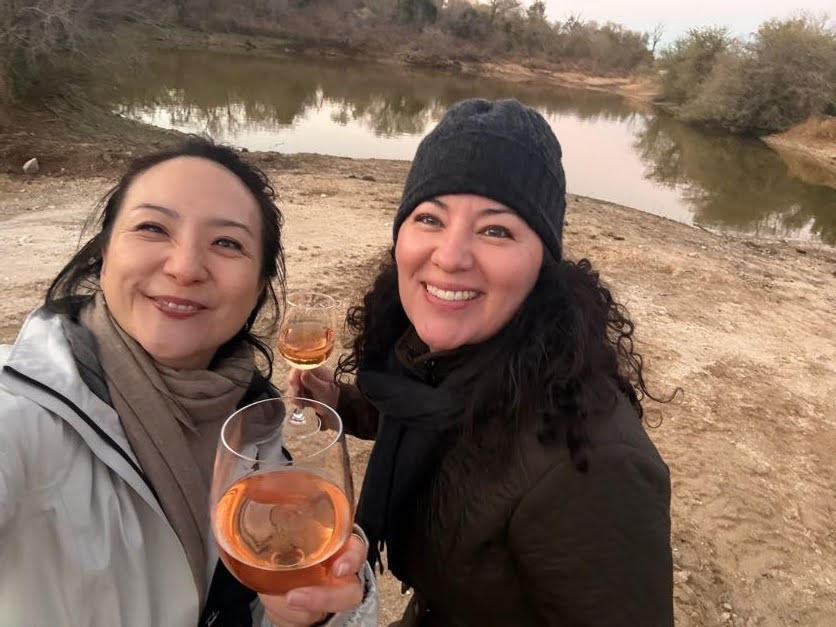
In Cape Town, I met up with a friend from my Camino trip in Spain this past May and also met a new friend. We stayed at the fun, funky DORP in the Bo-Kaap neighborhood, known for its brightly colored houses and rich Cape Malay heritage. The area has deep roots in Cape Town’s Muslim community, shaped in part by people brought to the Cape from Southeast Asia and other parts of Africa during the colonial period.
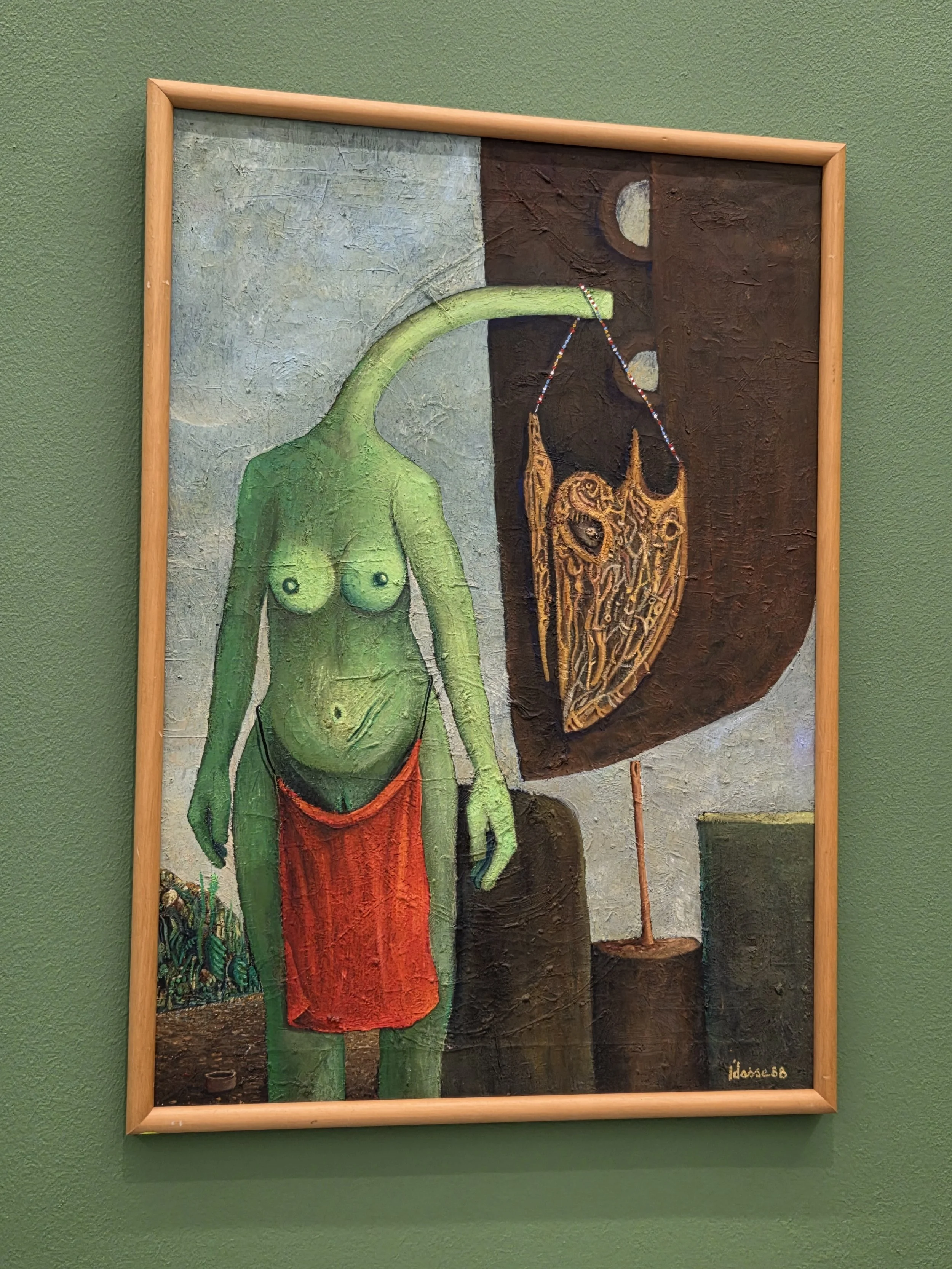
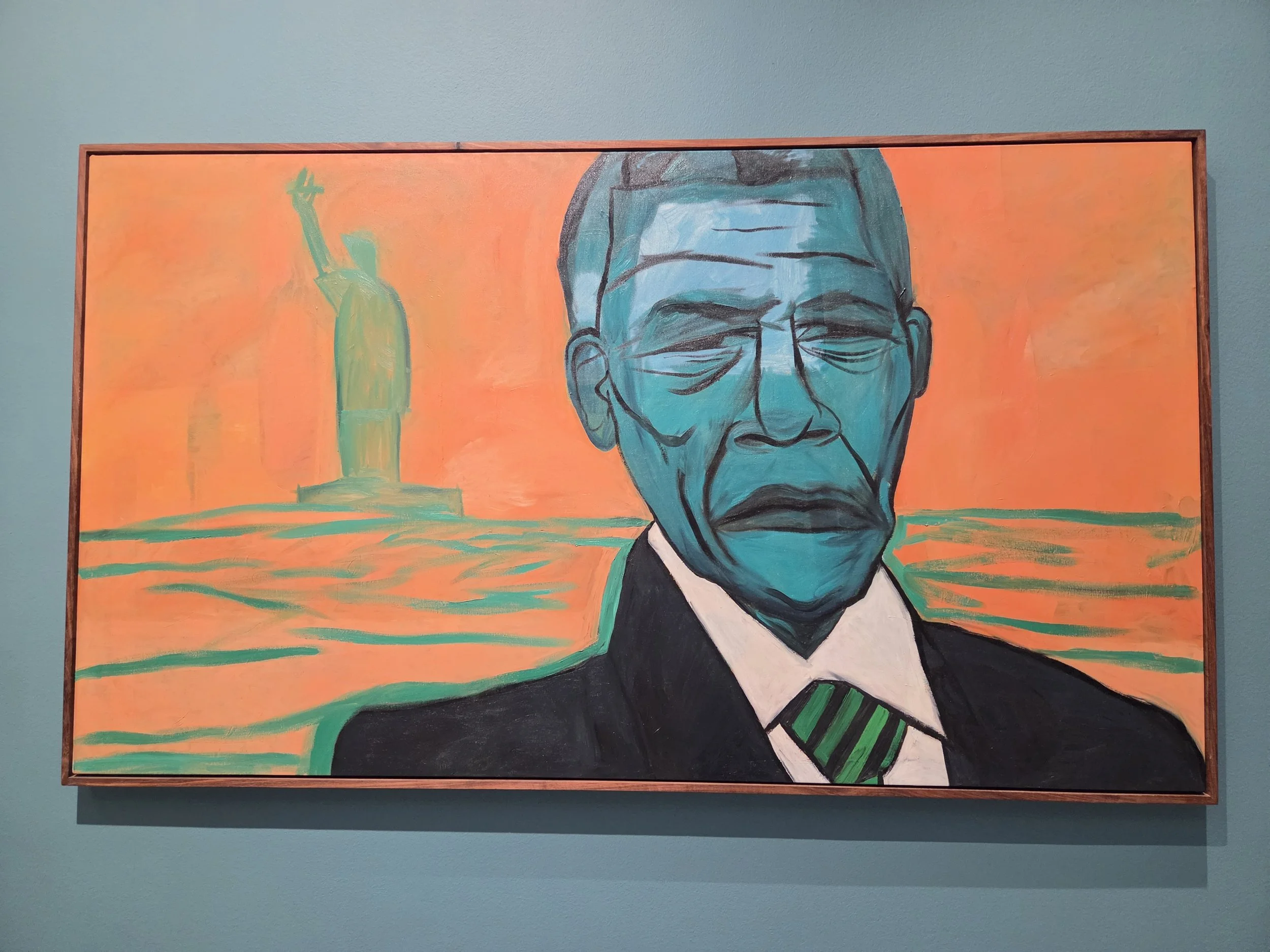
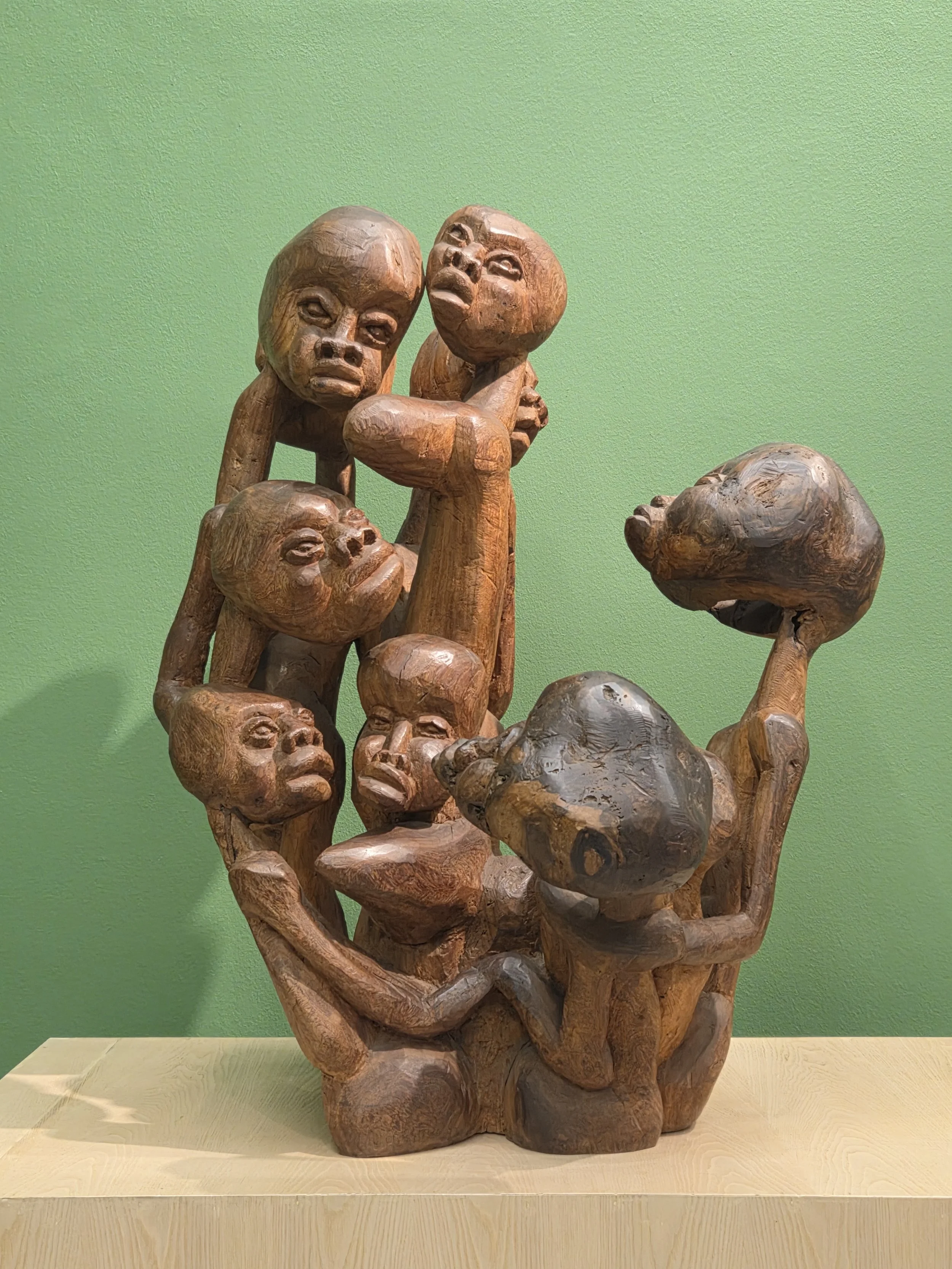
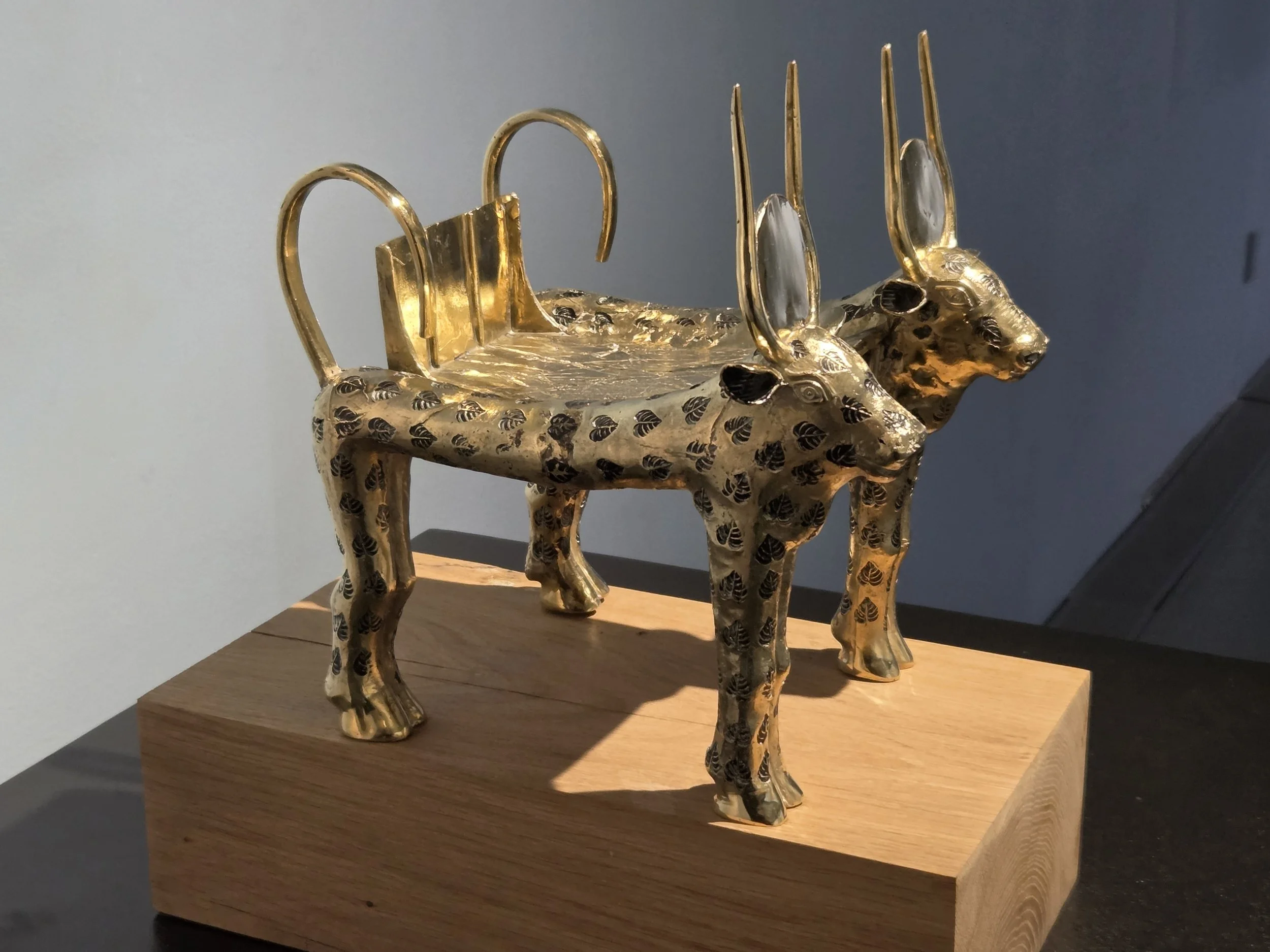
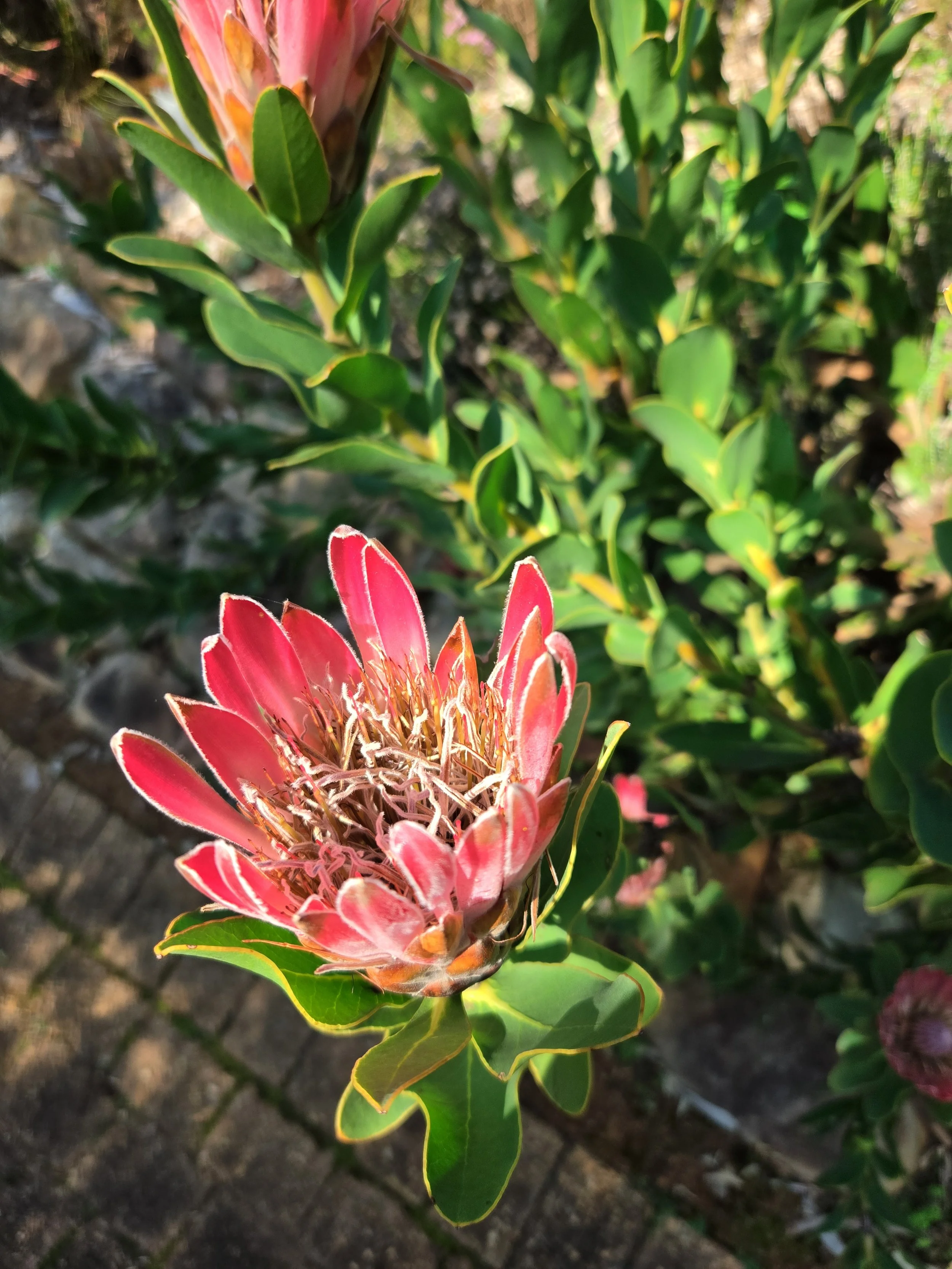
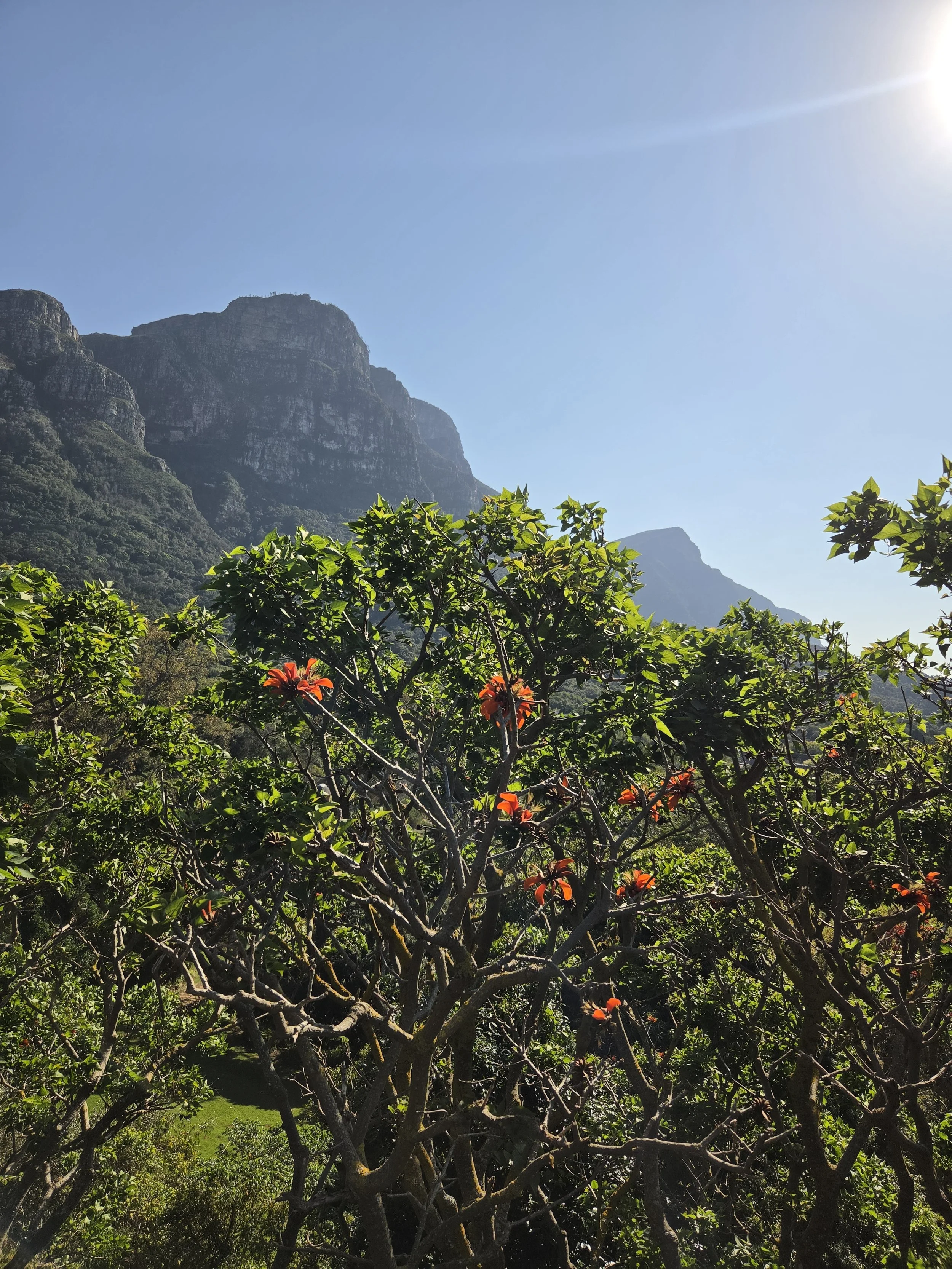
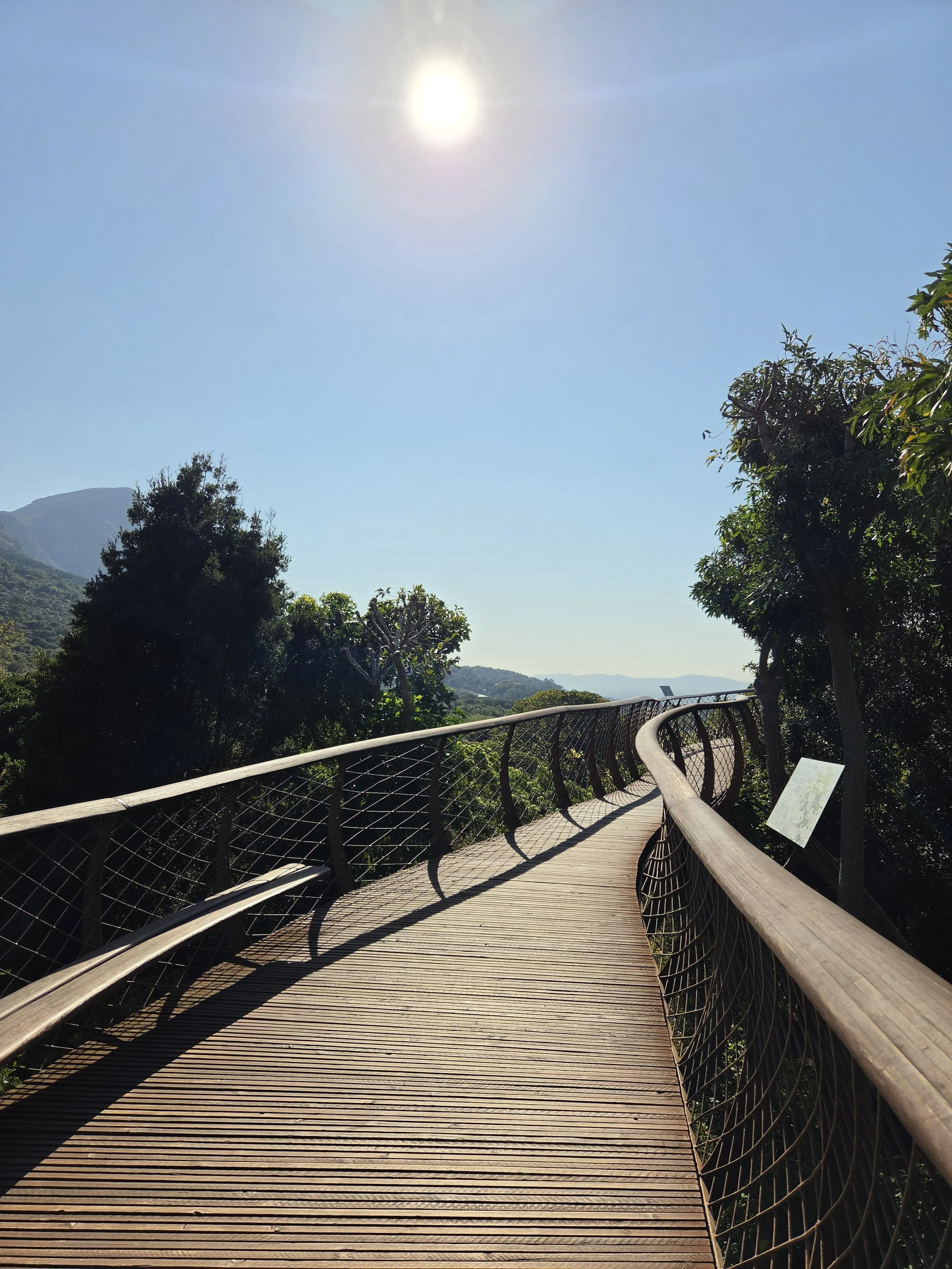
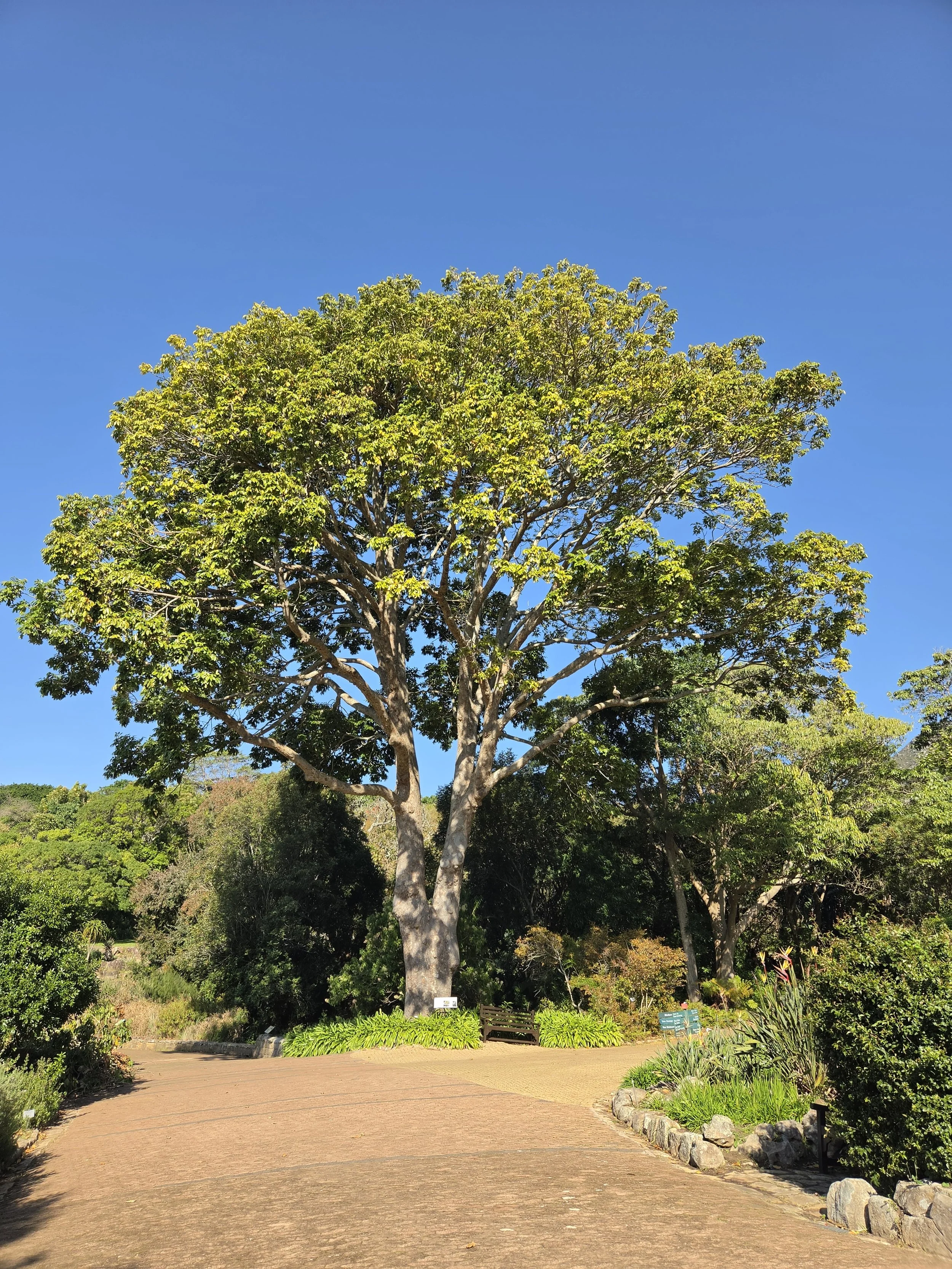
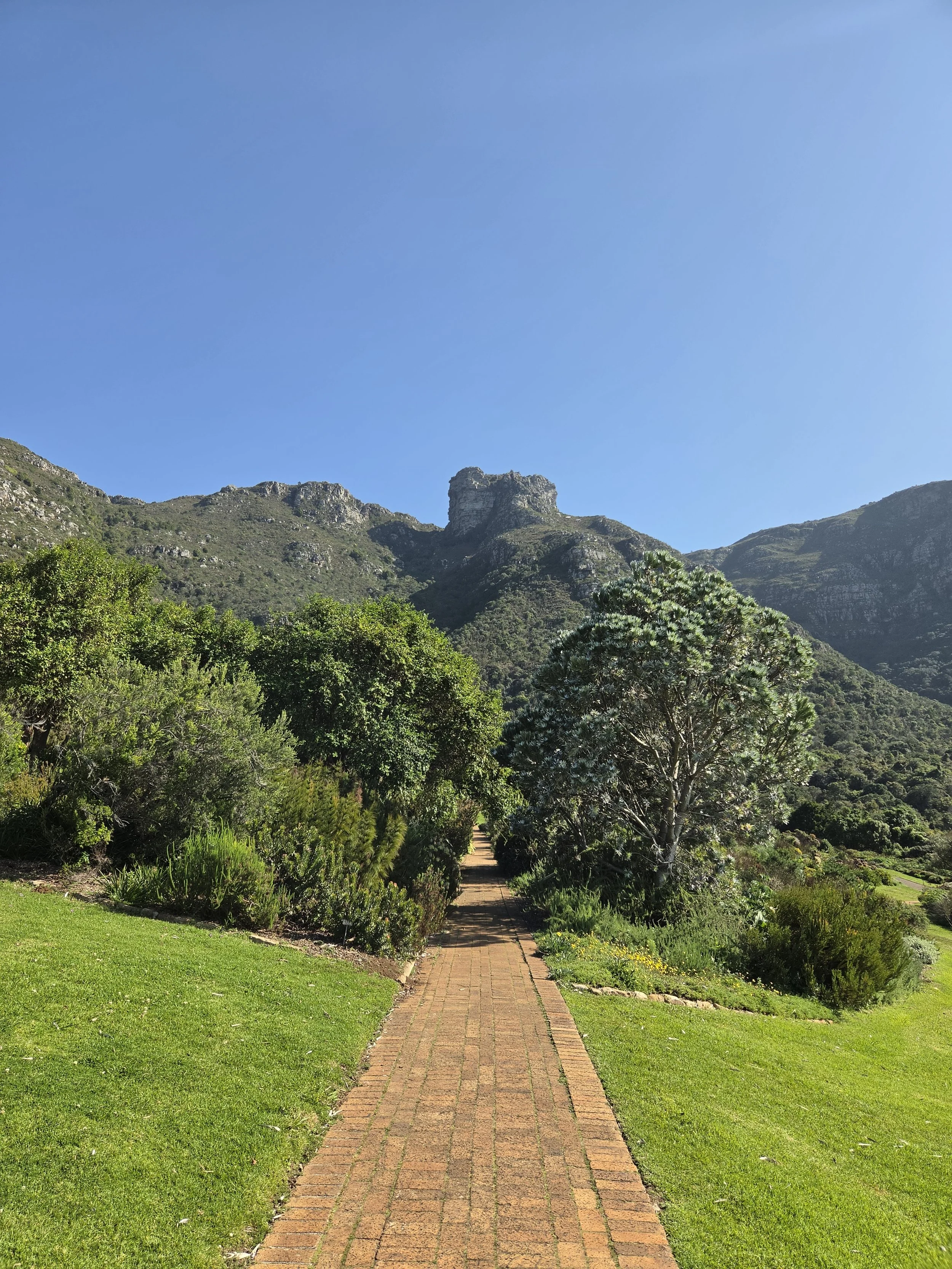
Highlights included MOCAA, the modern art museum; Kirstenbosch Botanical Garden, one of the great botanical gardens in the world; and a fascinating conversation with a conservation director about protecting South Africa’s natural heritage.
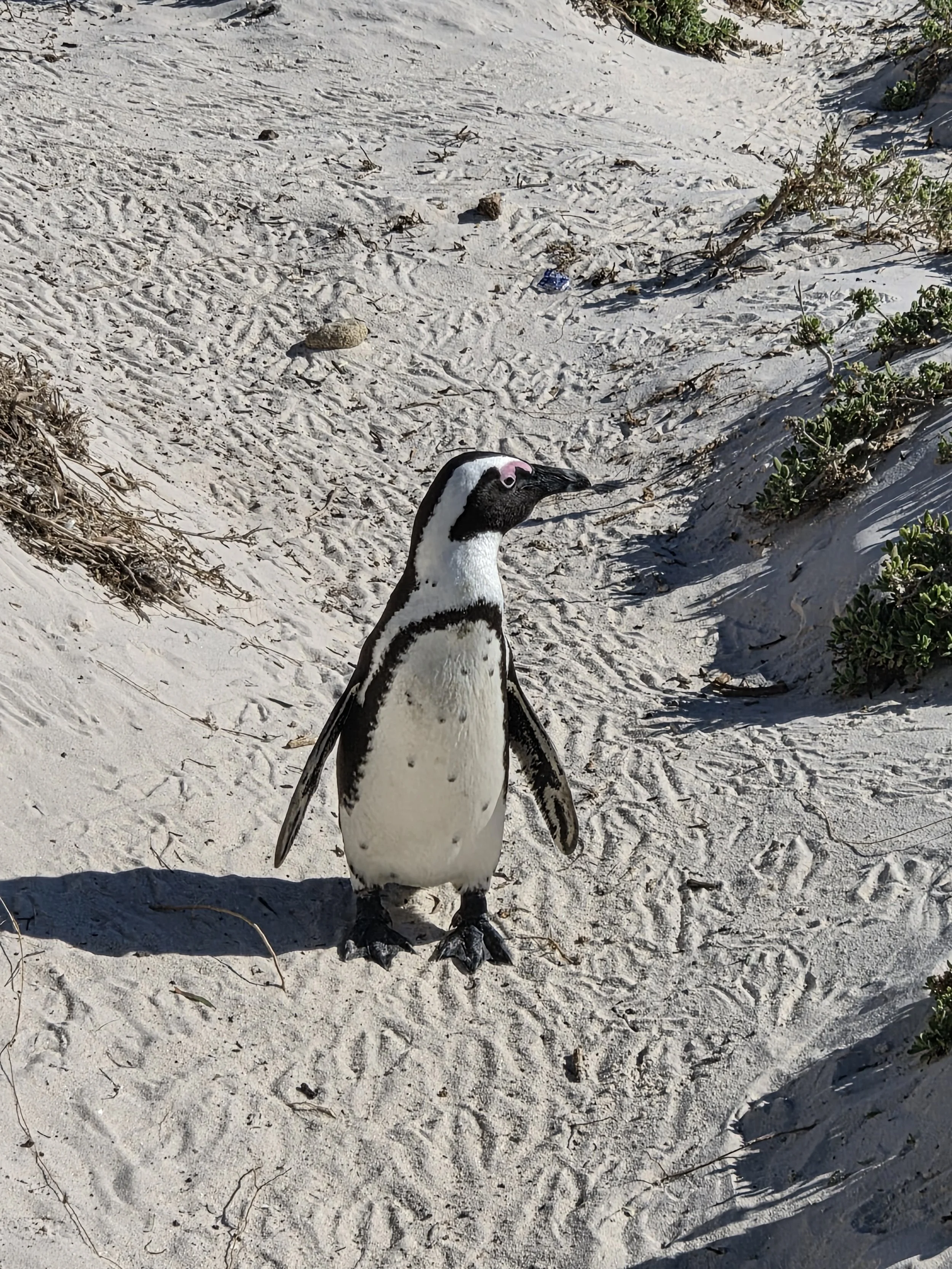
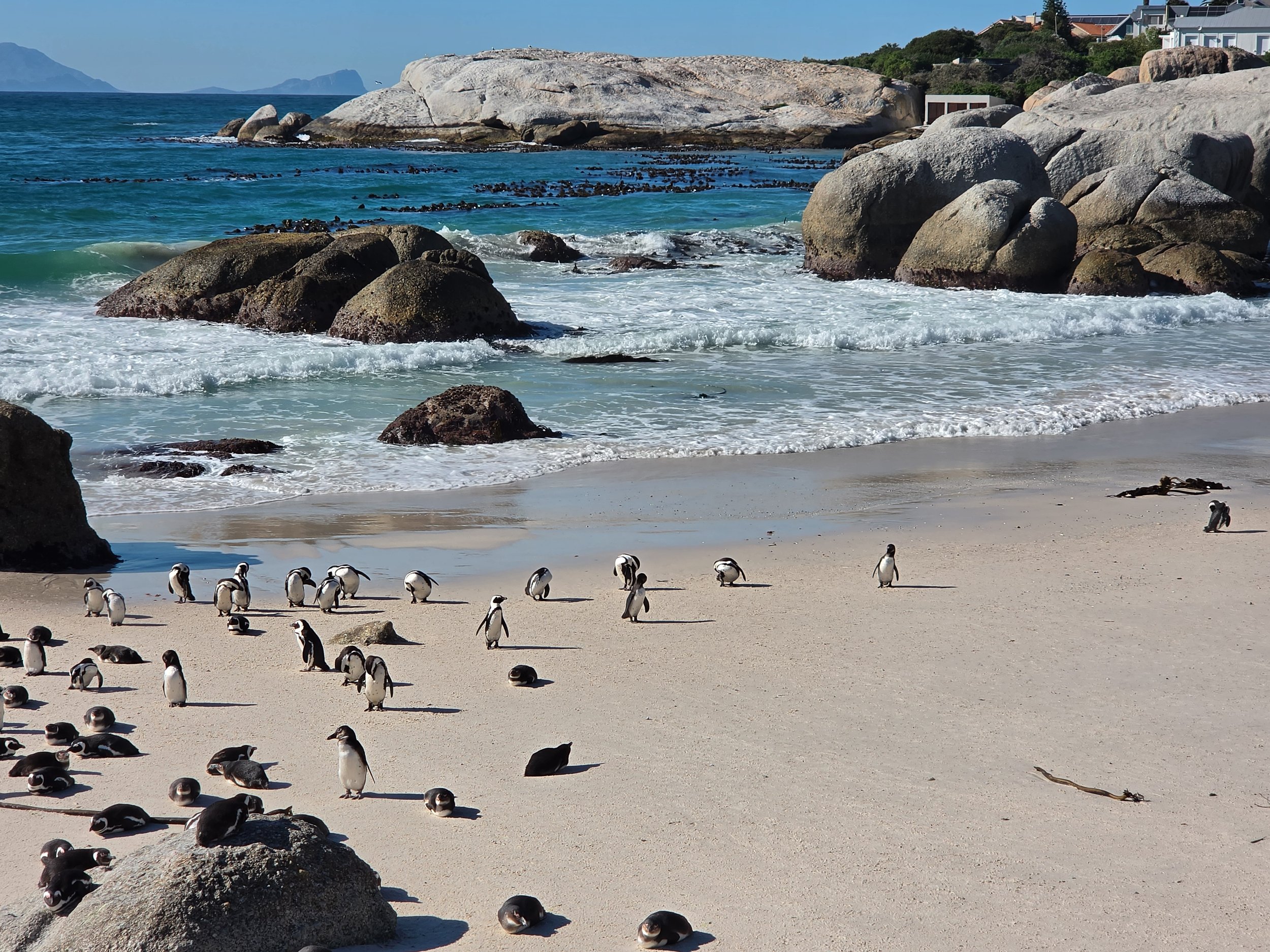
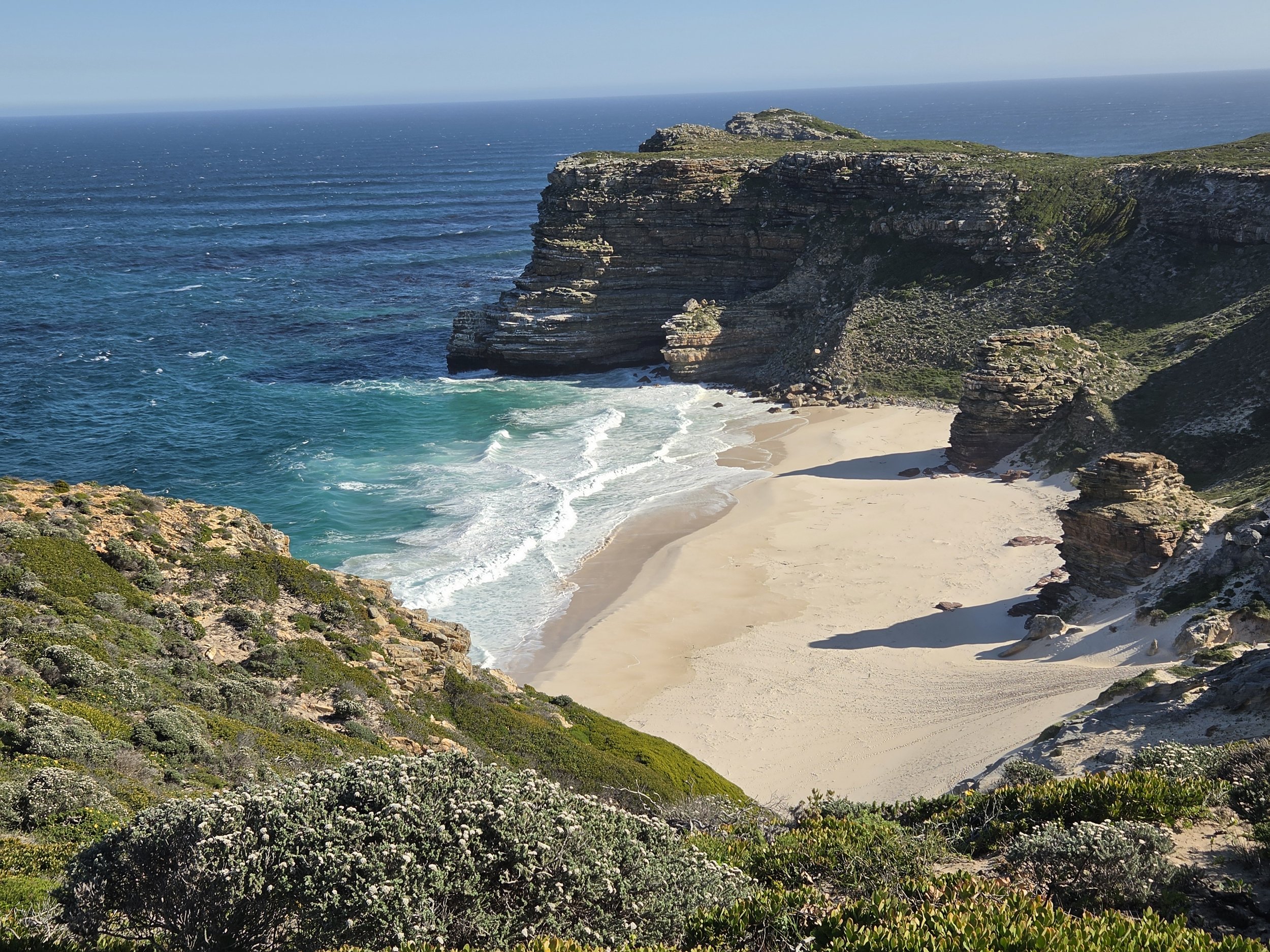
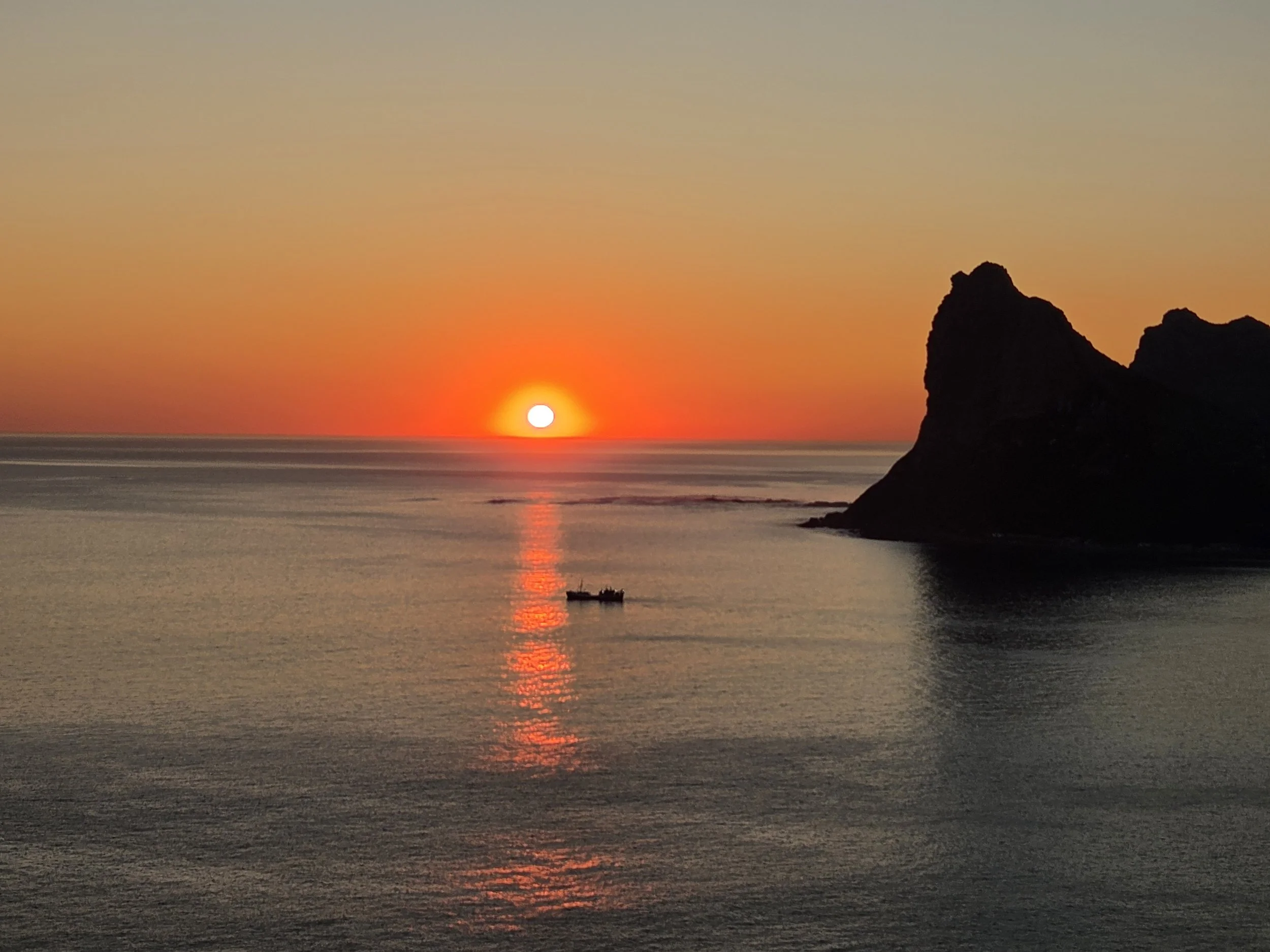
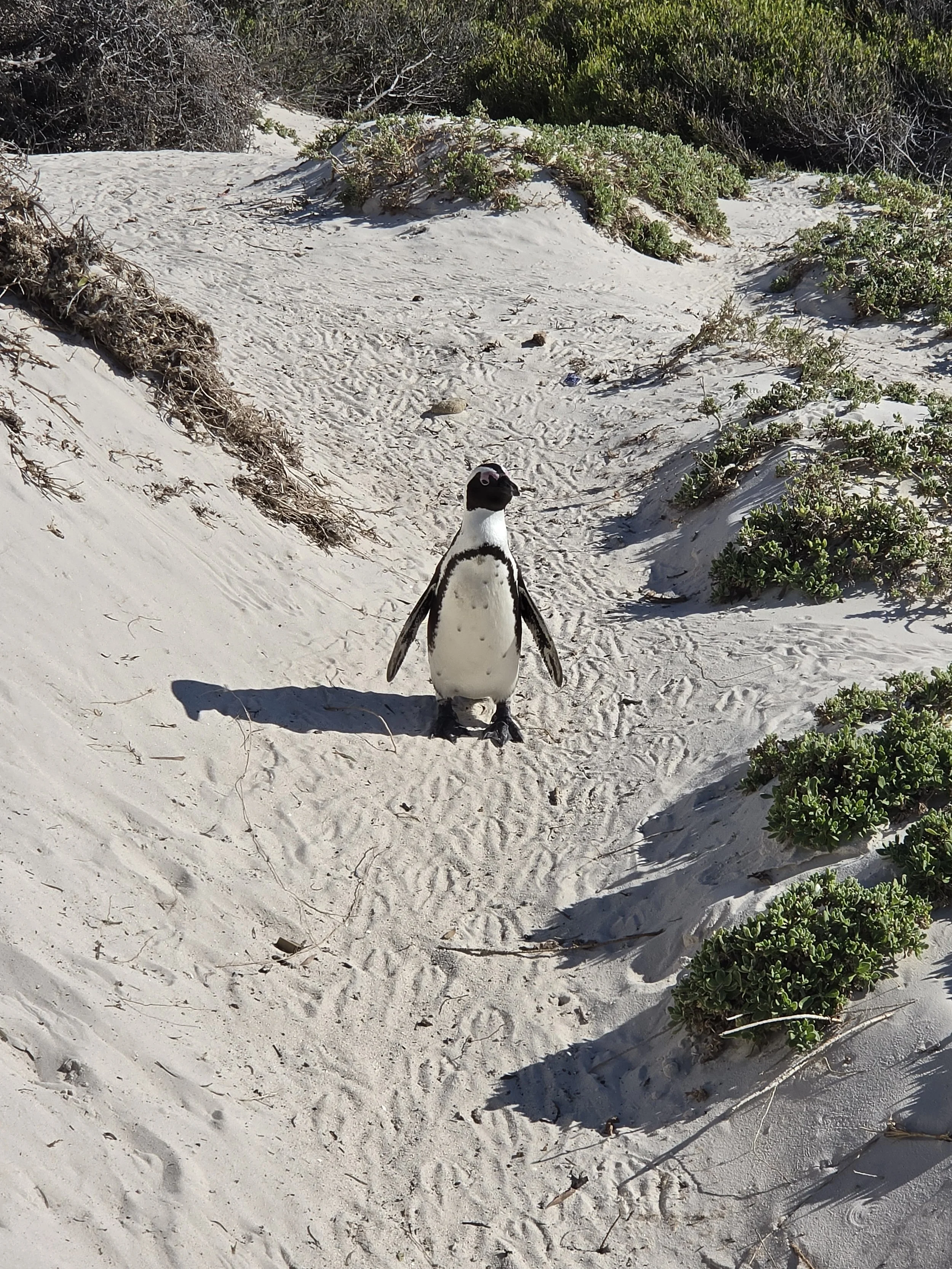
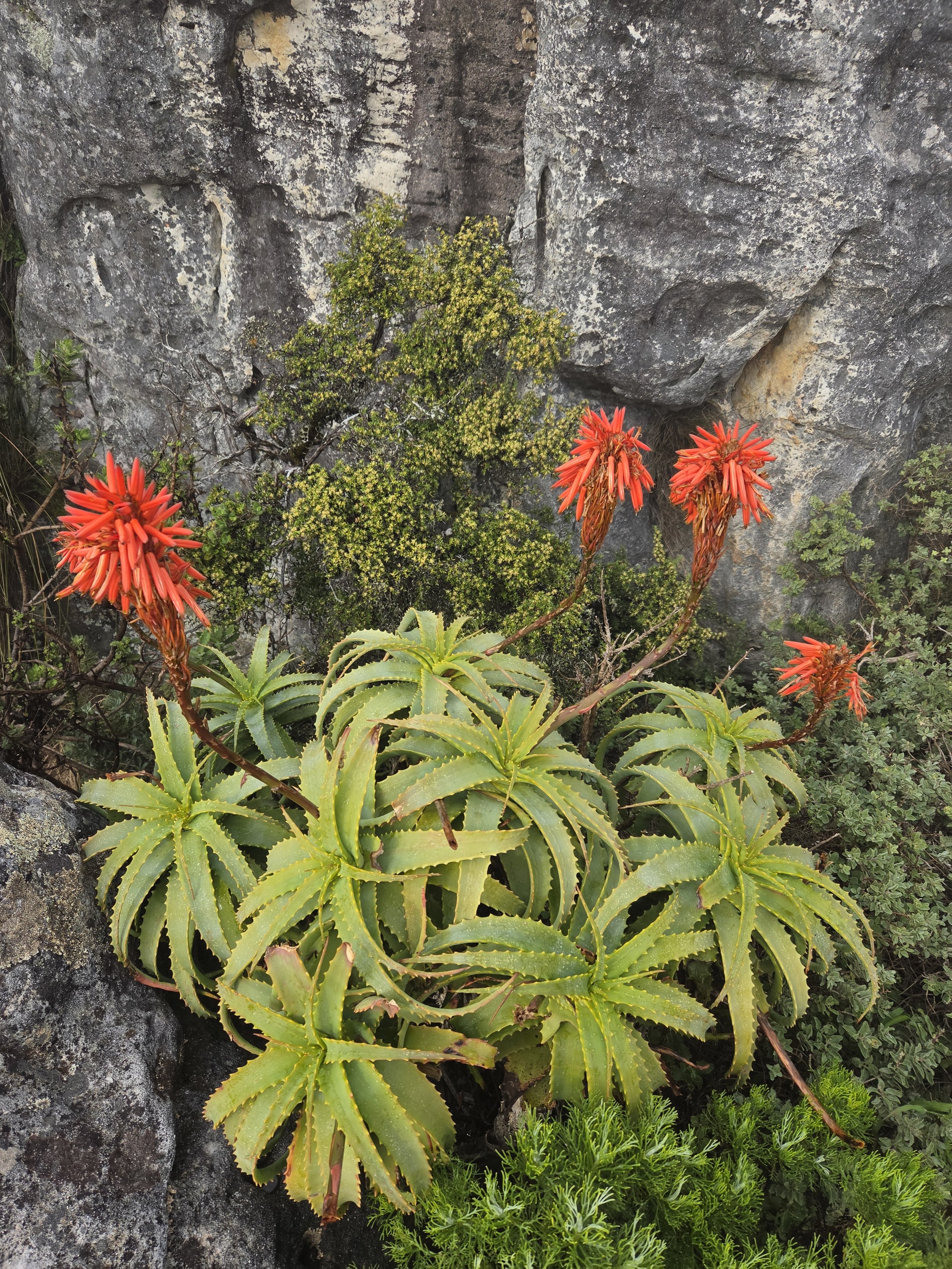
A private guided tour around the Cape Peninsula took us through the Fynbos biome, one of the most diverse and unique areas of flora and fauna in the world. The Cape Floristic Region is a global biodiversity hotspot, with thousands of plant species, many found nowhere else on Earth. We spent the day seeing penguins and birds and learning about the parks, wildlife, and natural history of the area.
Cape Town is such a fascinating melting pot of Cape Malay, European, and African heritage, with layers of history everywhere you look.
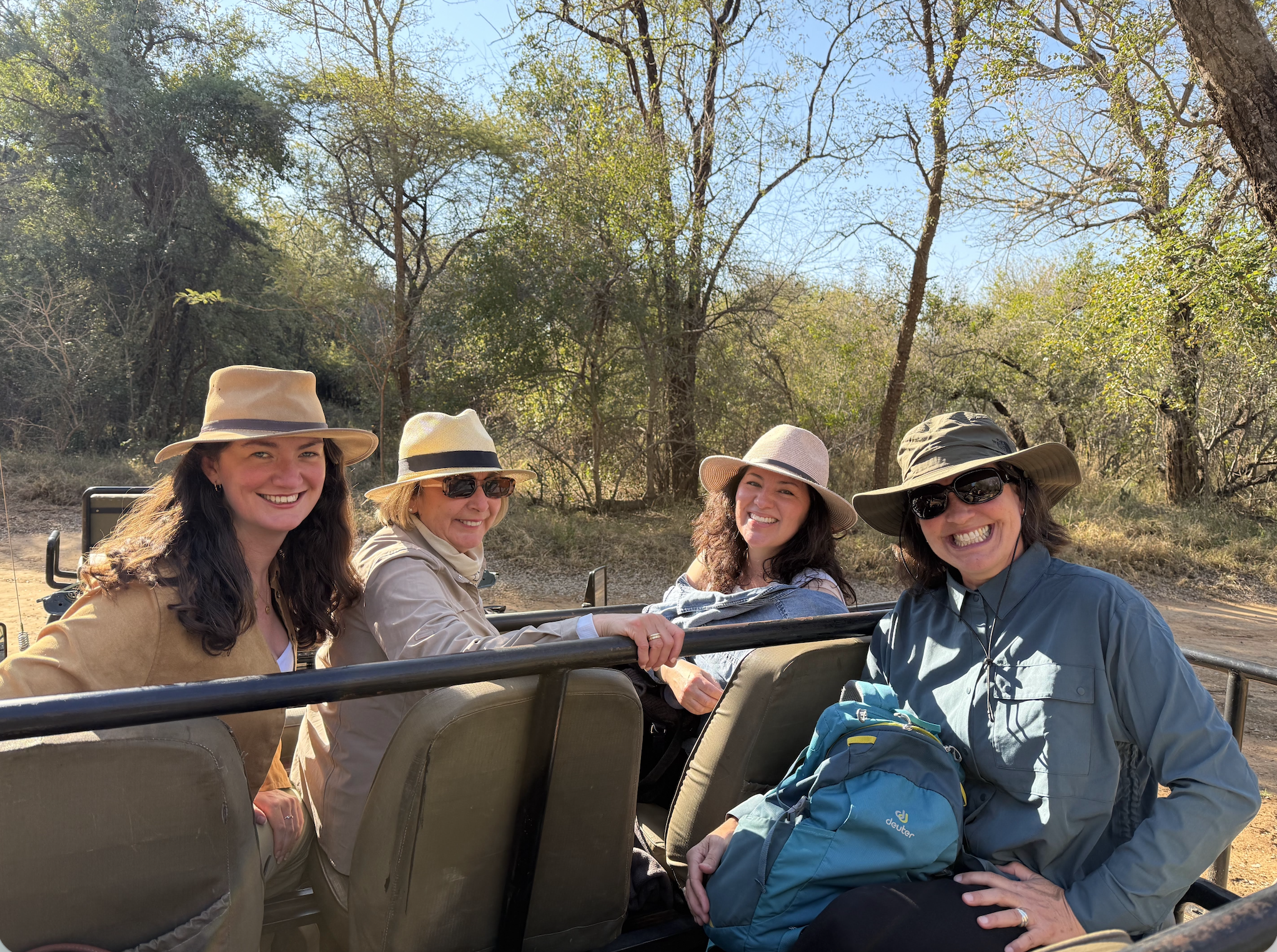
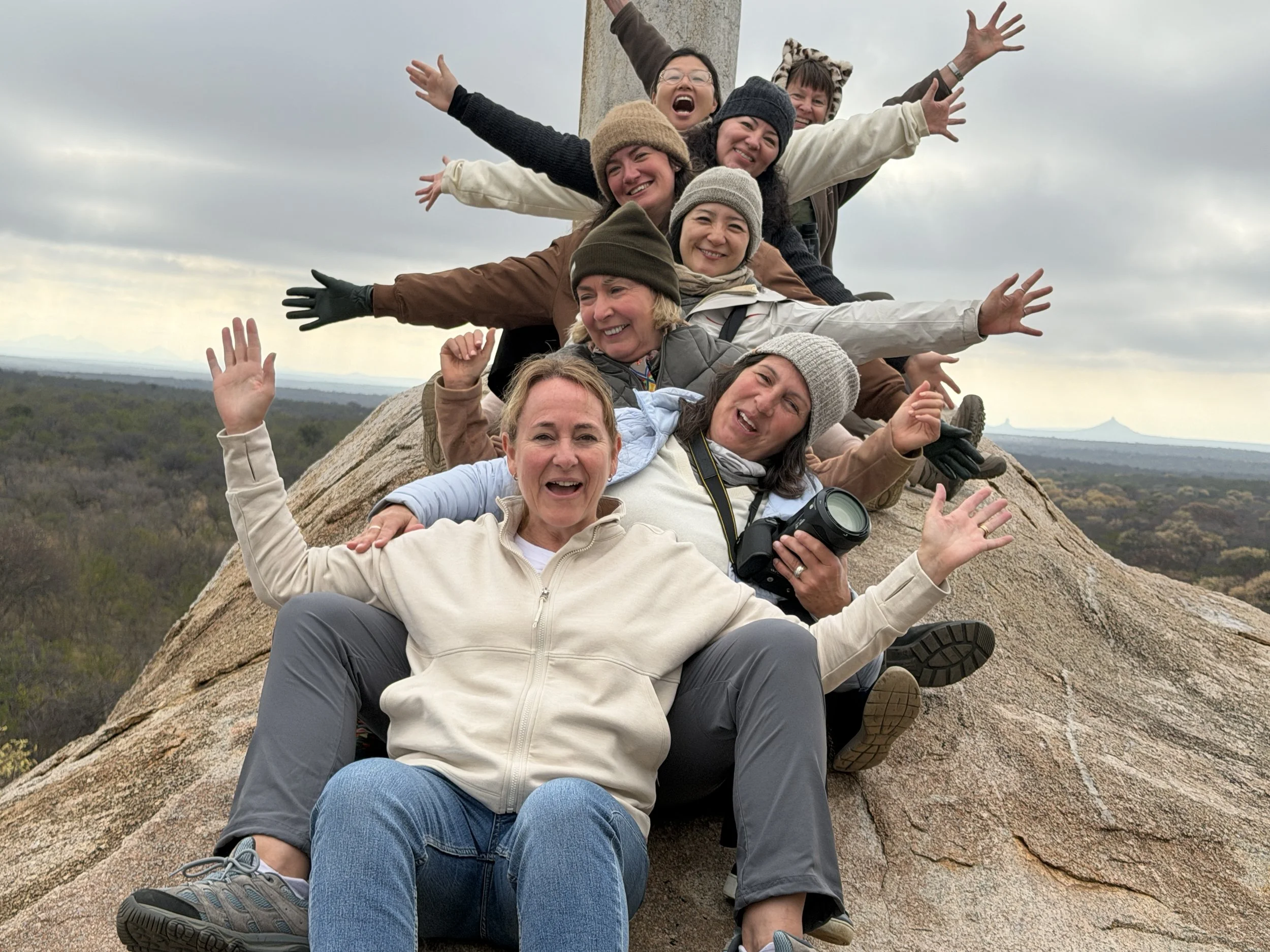
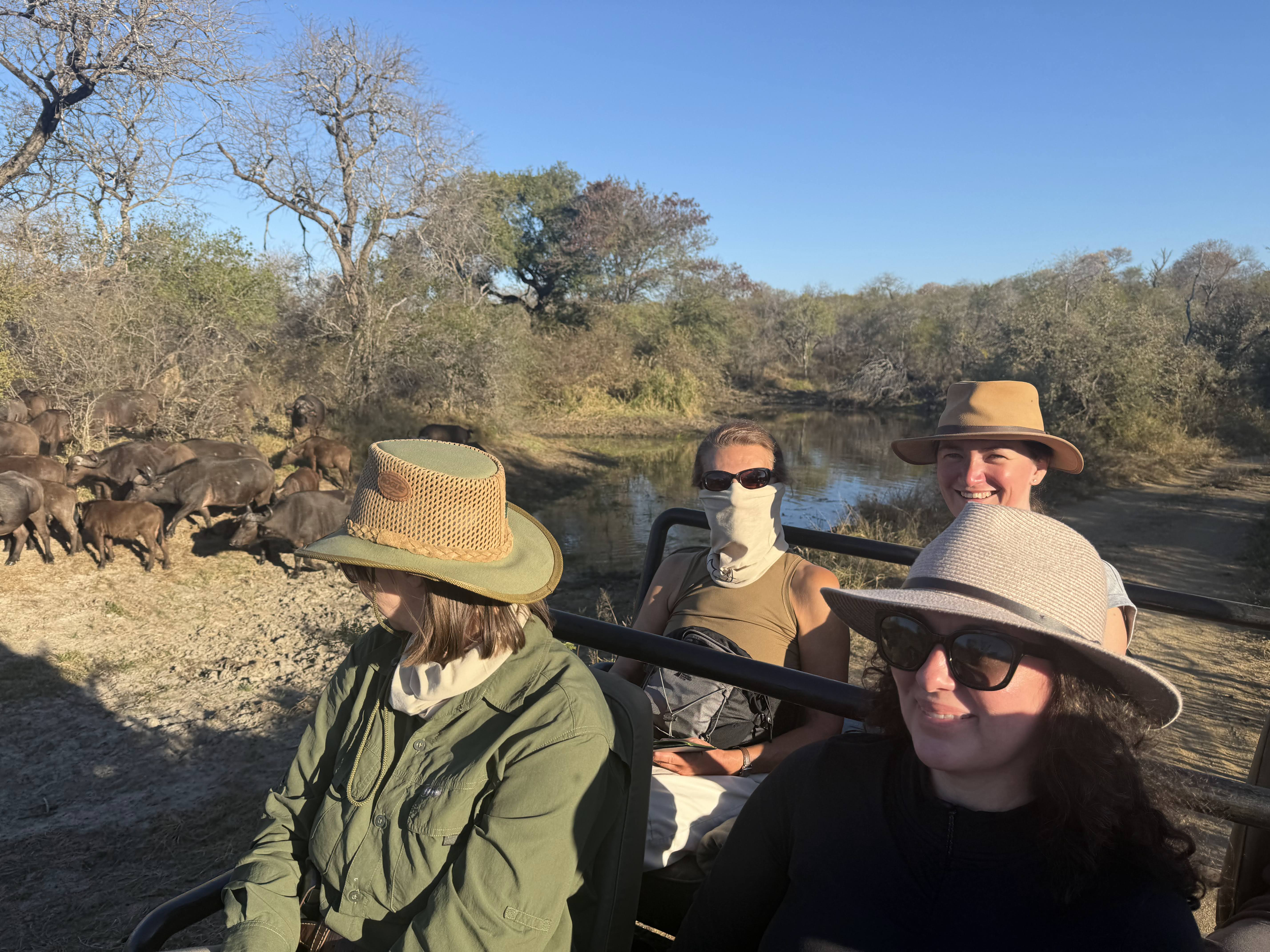
Then it was north to the Lowveld bush to meet up with the rest of our group. Some knew each other from the Camino trip, and the others were new friends. It didn’t take long before everyone was getting along and having fun.
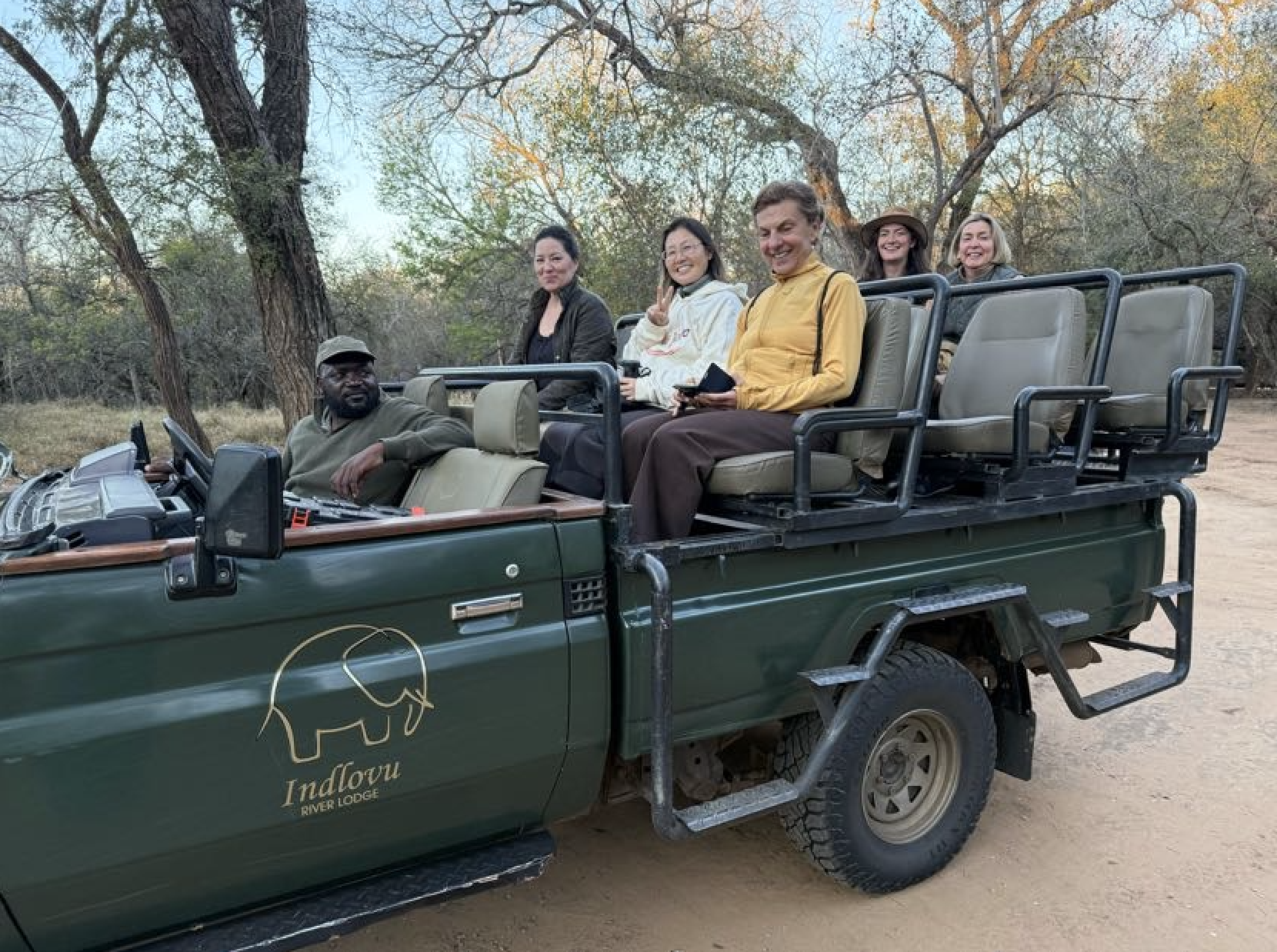
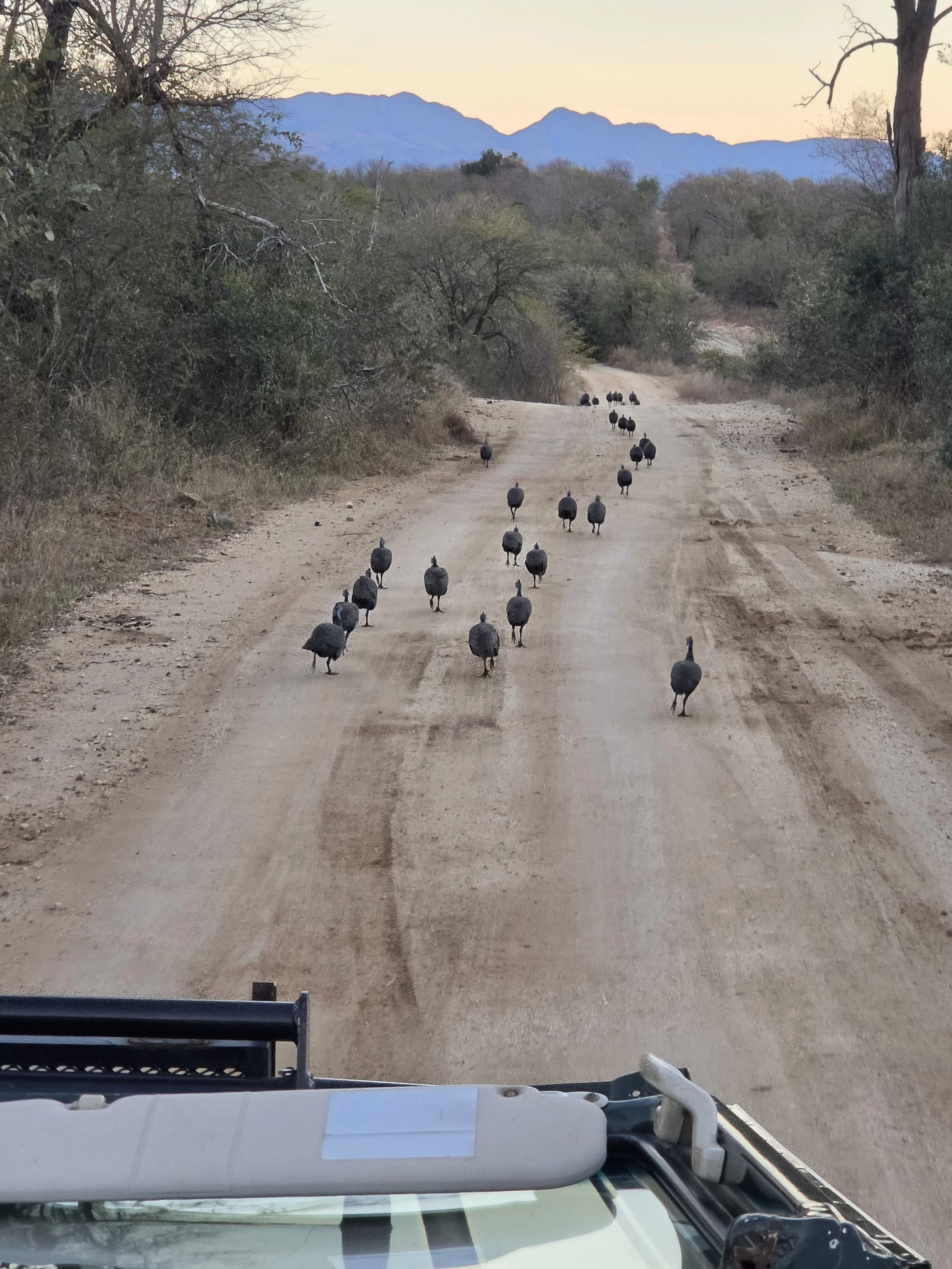
We stayed at the private Karongwe game reserve outside Kruger National Park and at the base of the Drakensberg Mountains. Each morning and evening, we headed out on game drives in an open-air safari truck with our guide and tracker.
And boy, did we see animals!
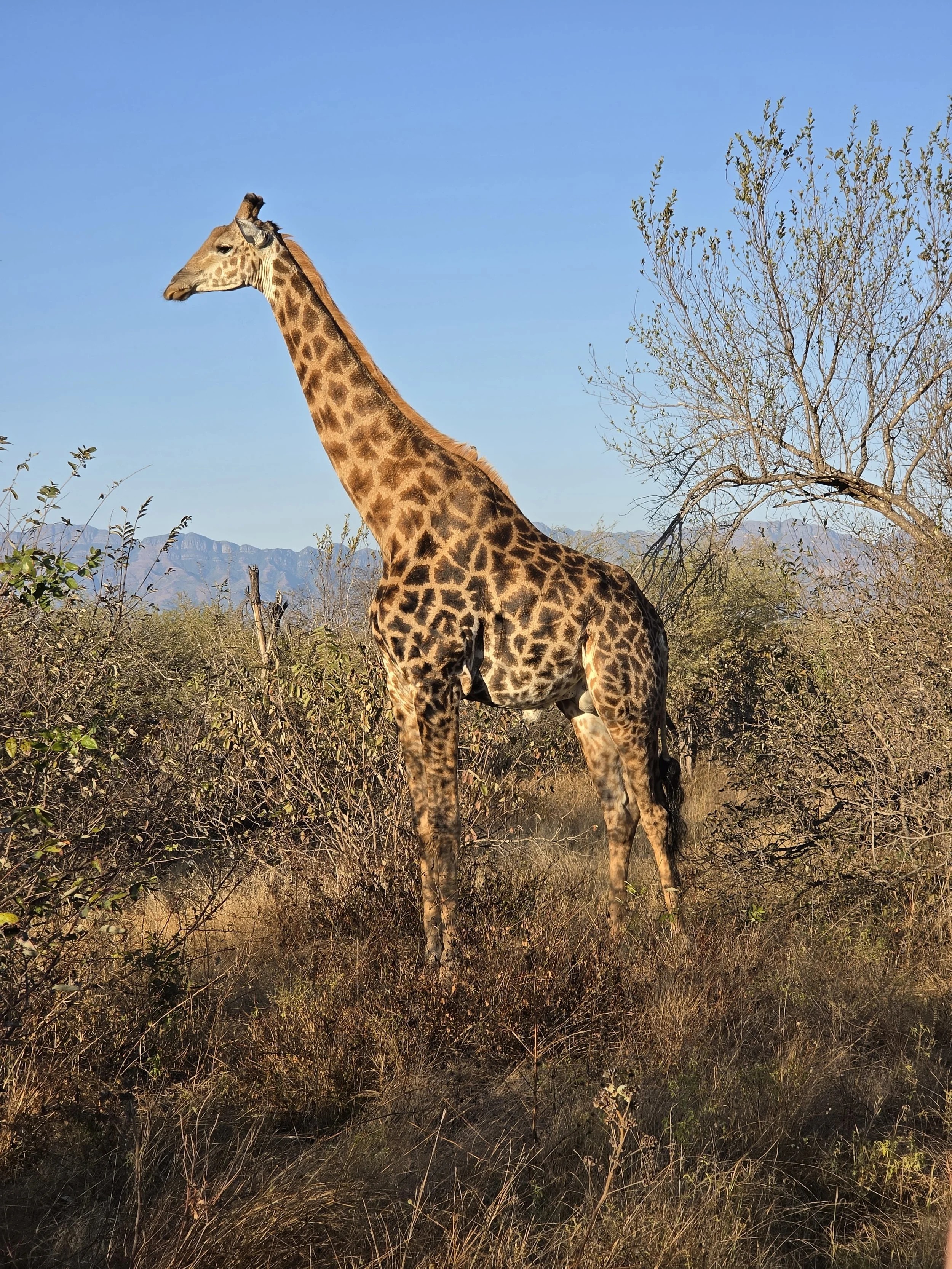
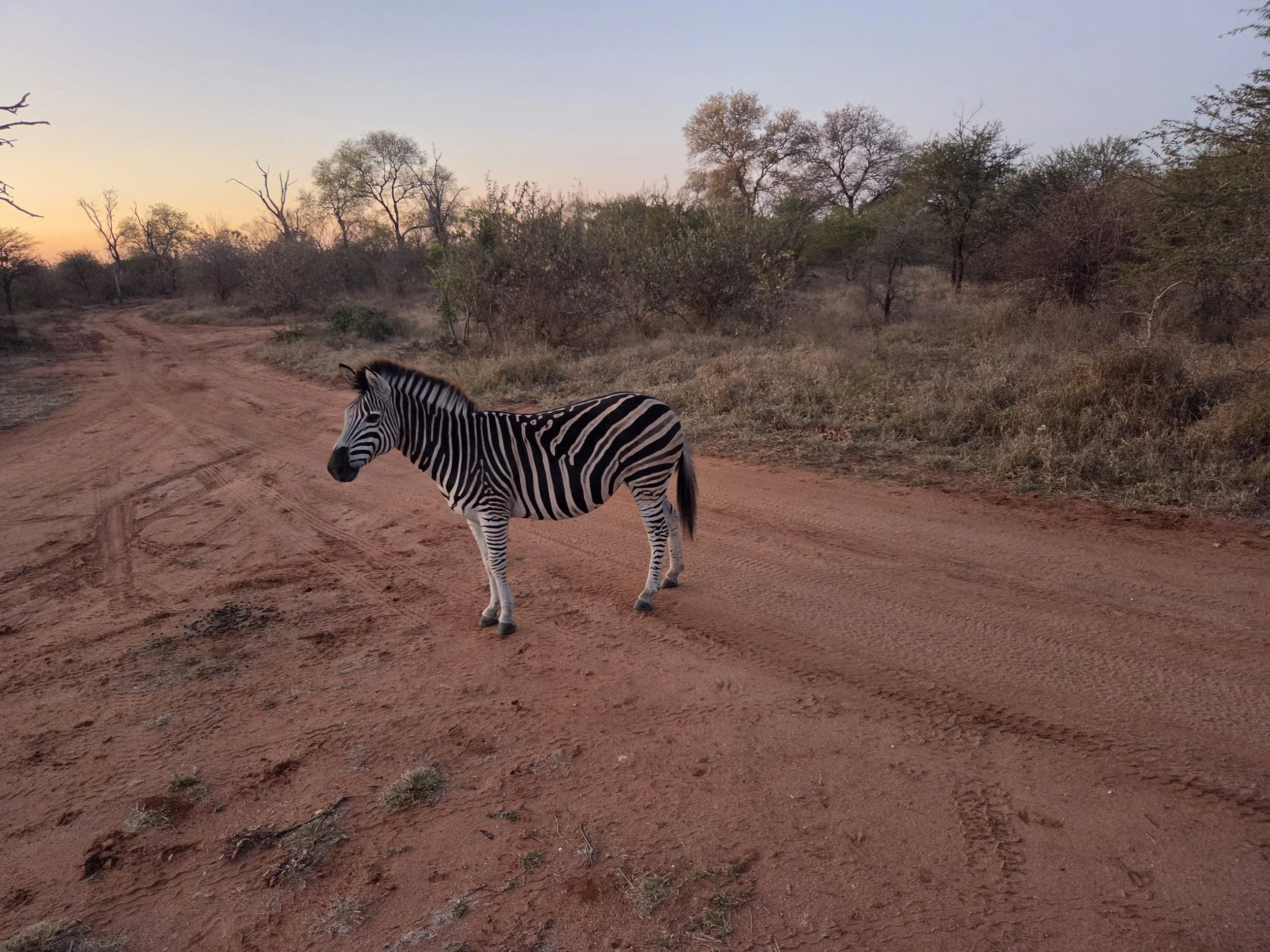
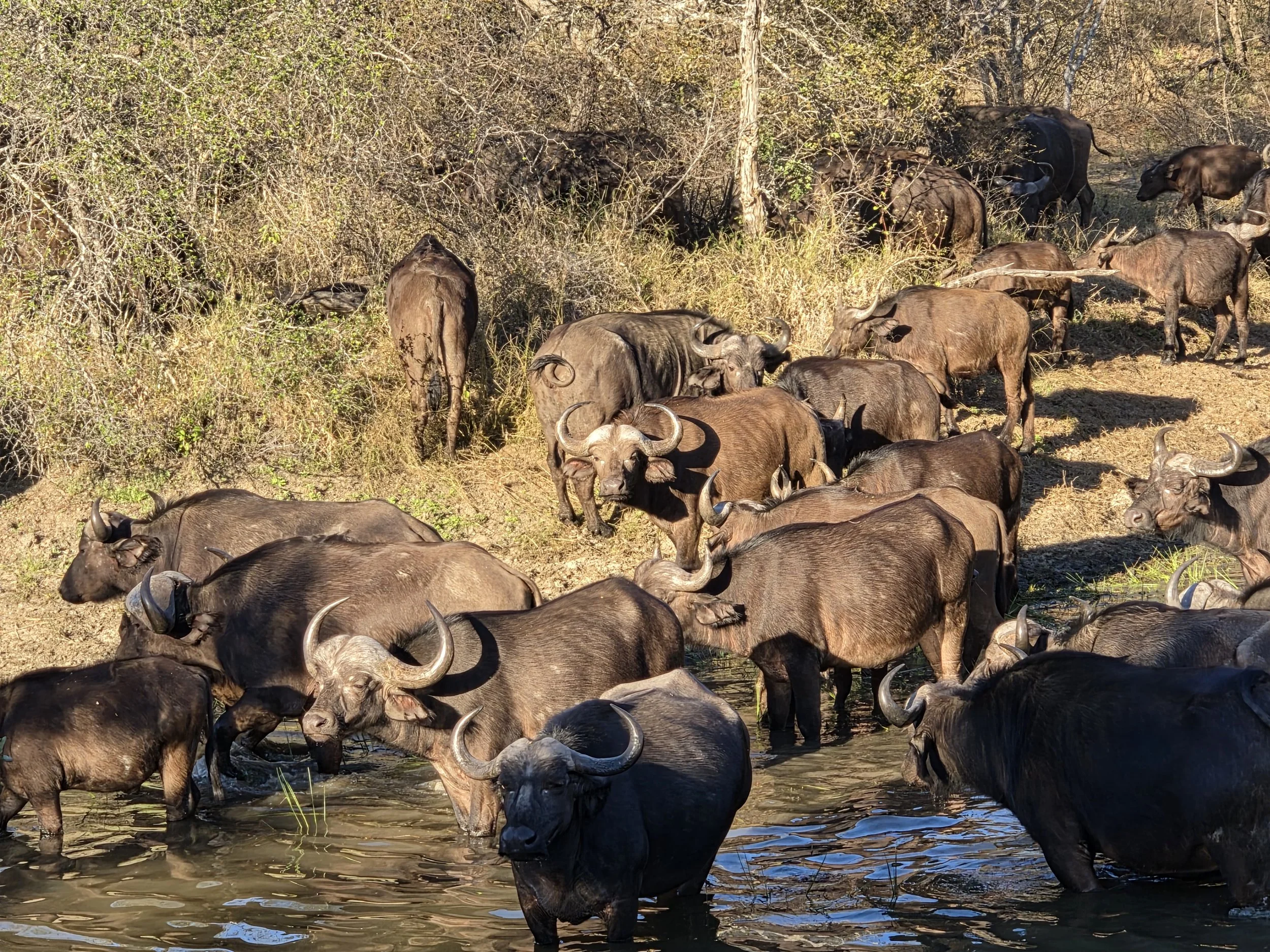
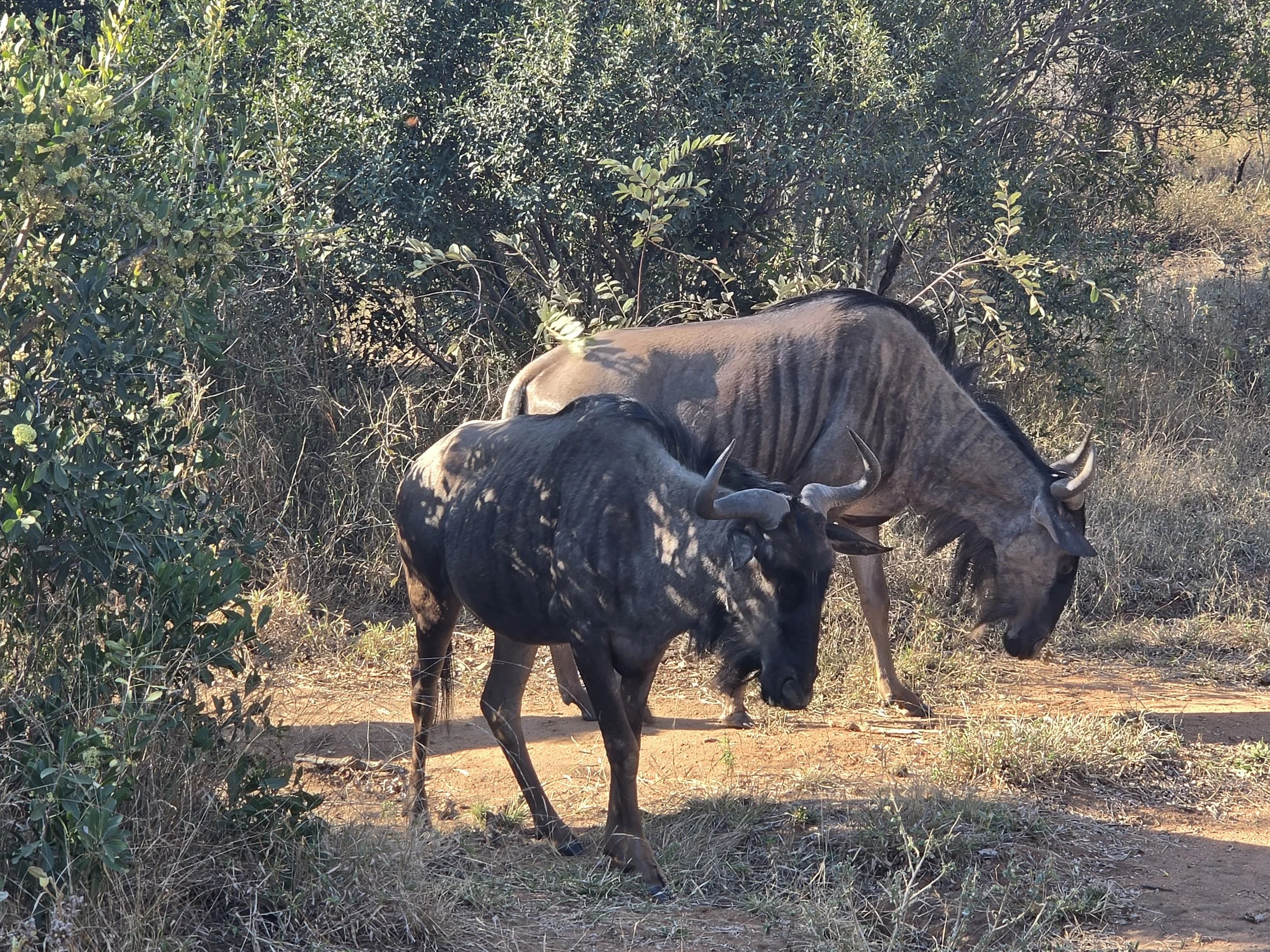
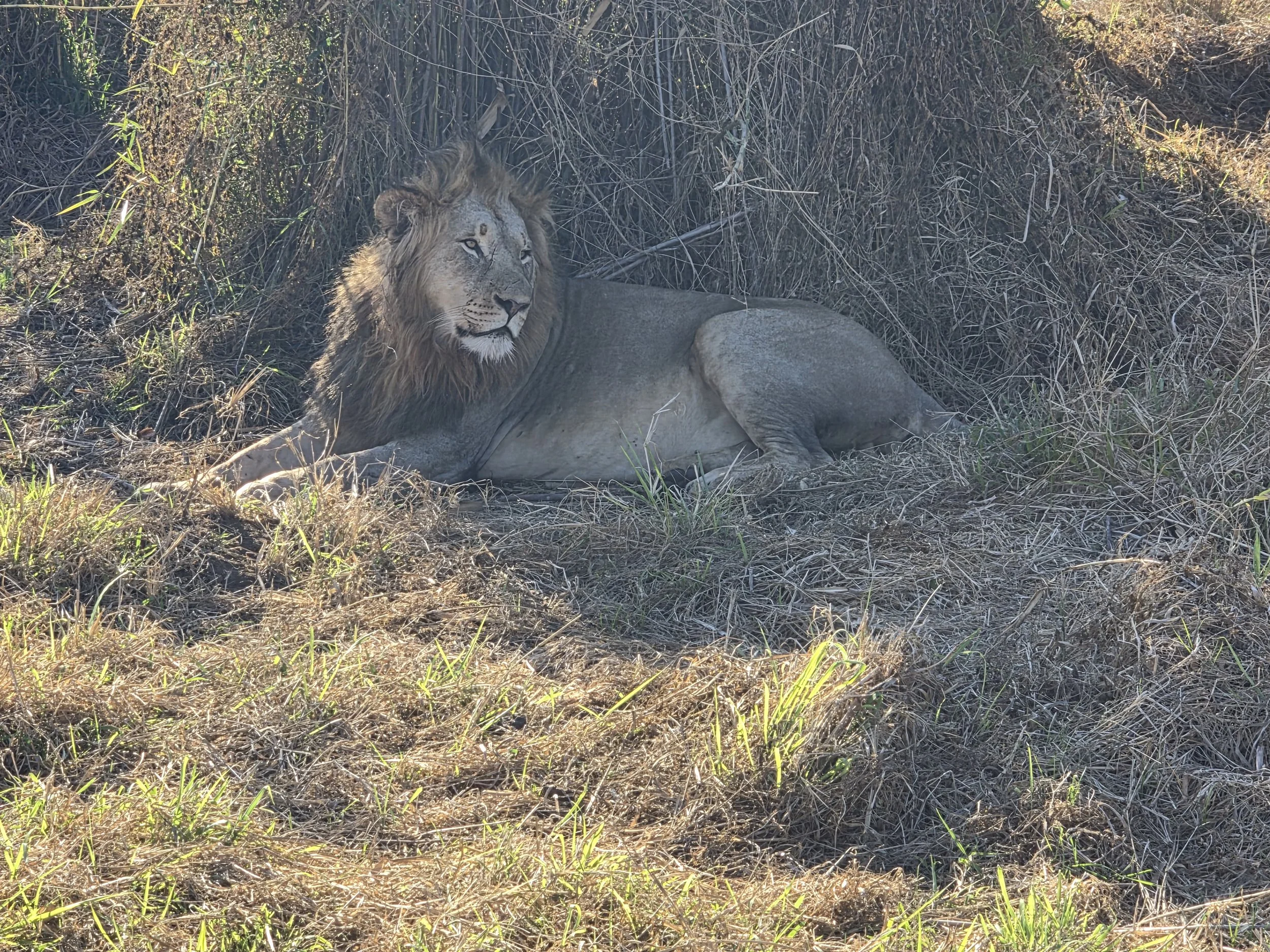
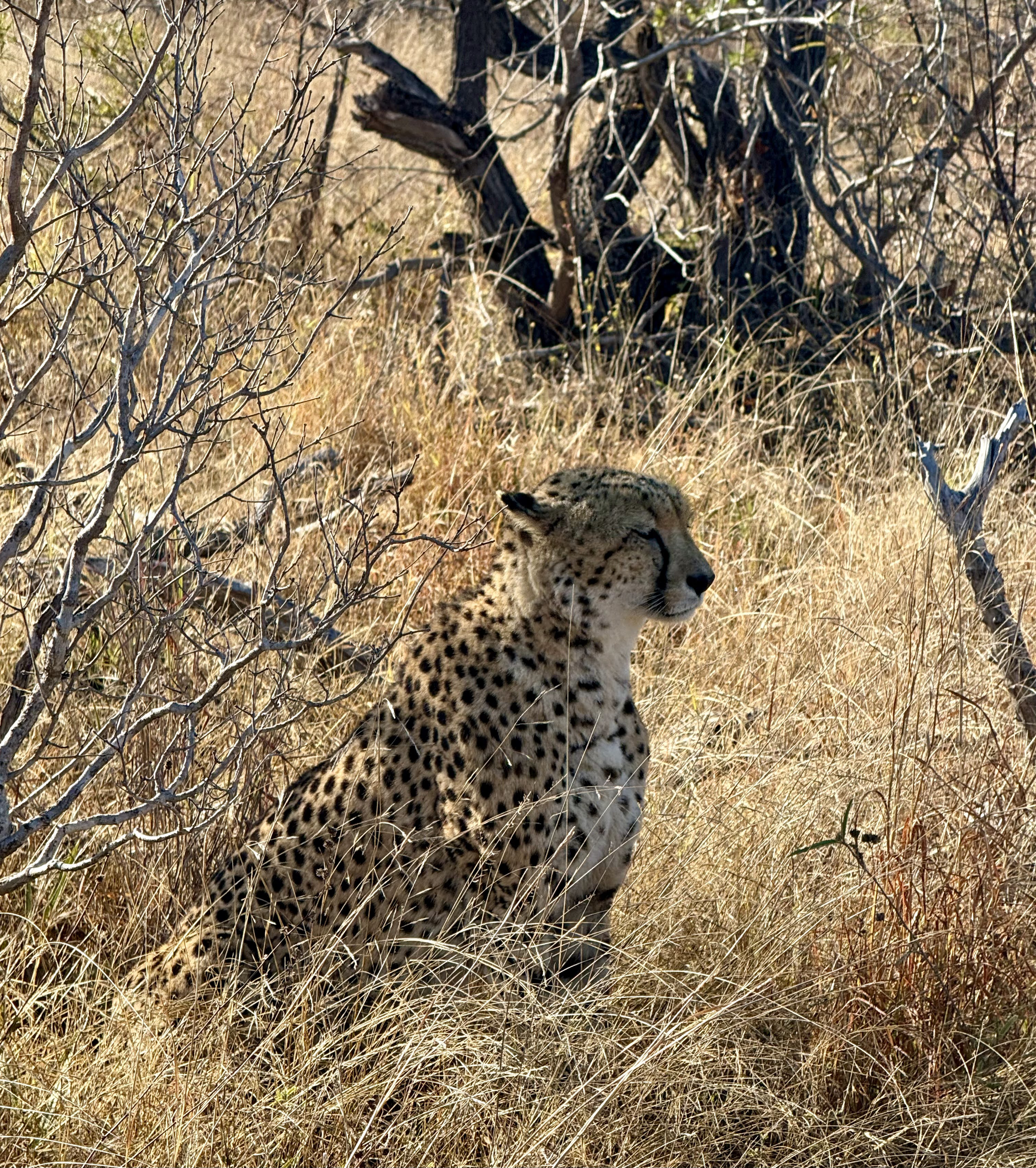
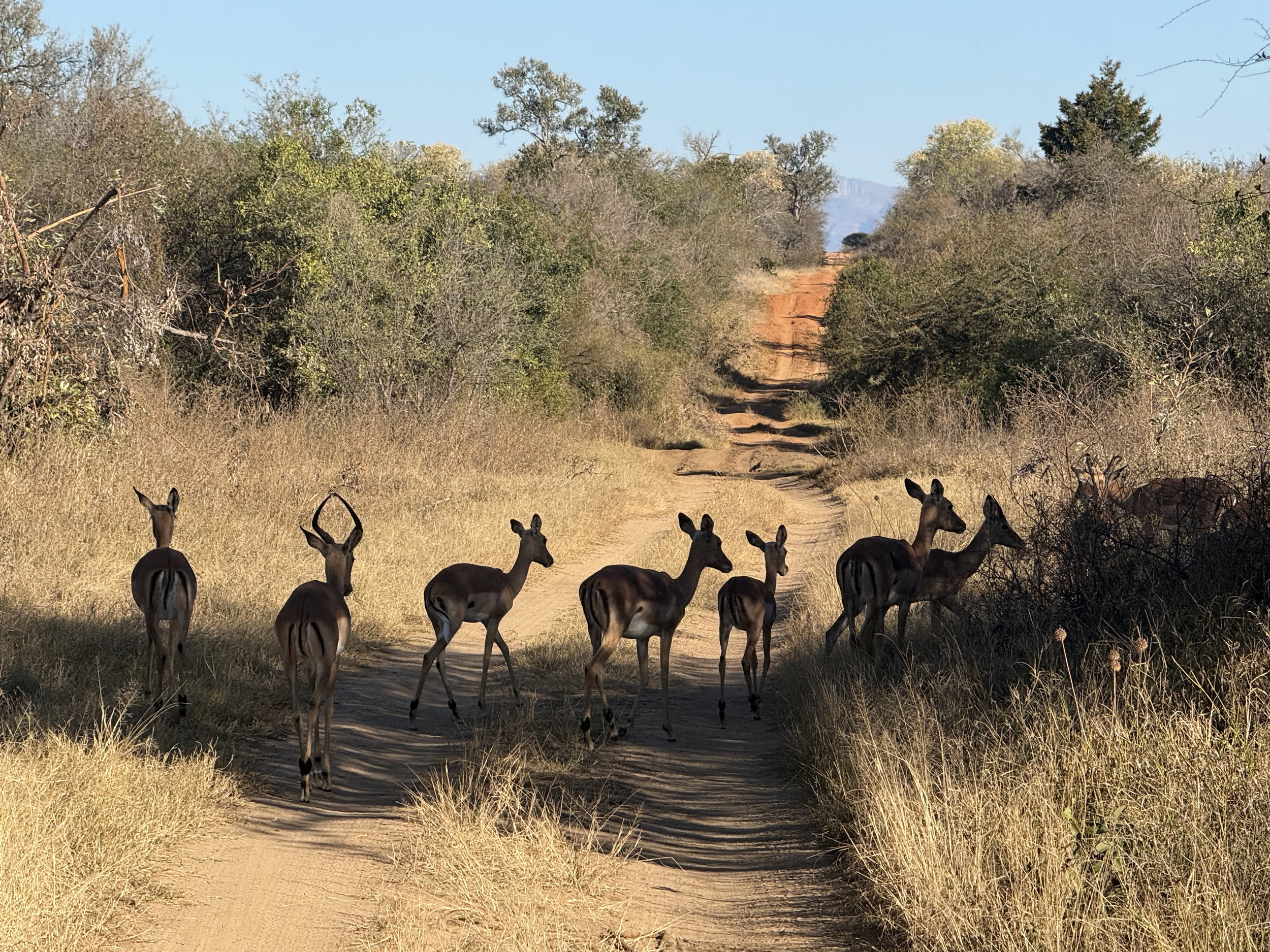
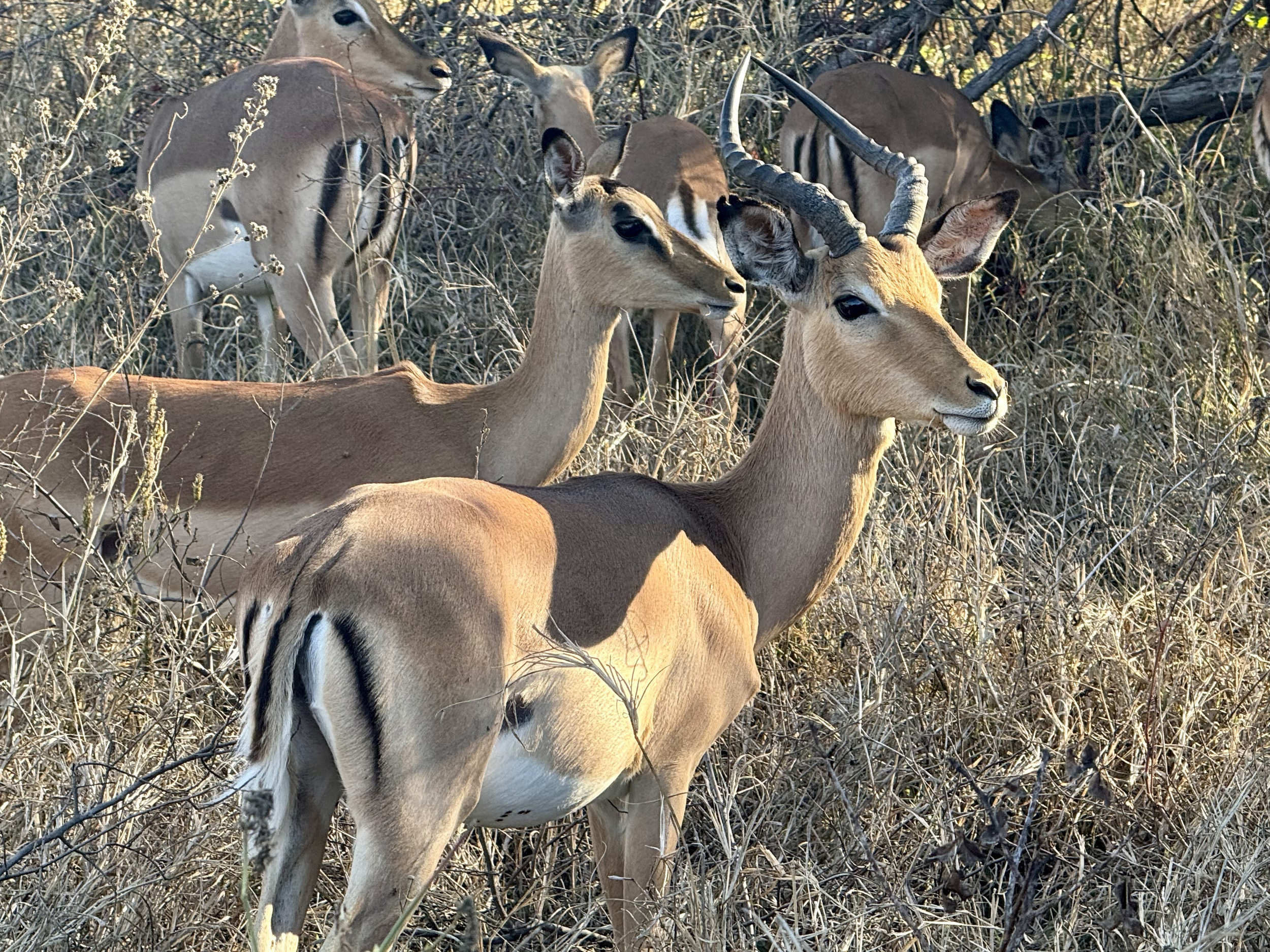
The Big 5 and then some: lions, elephants, rhinos, hippos, crocodiles, leopards, buffalo, wild dogs, zebra, giraffe, cheetah, baboons, and all kinds of colorful birds and antelope.
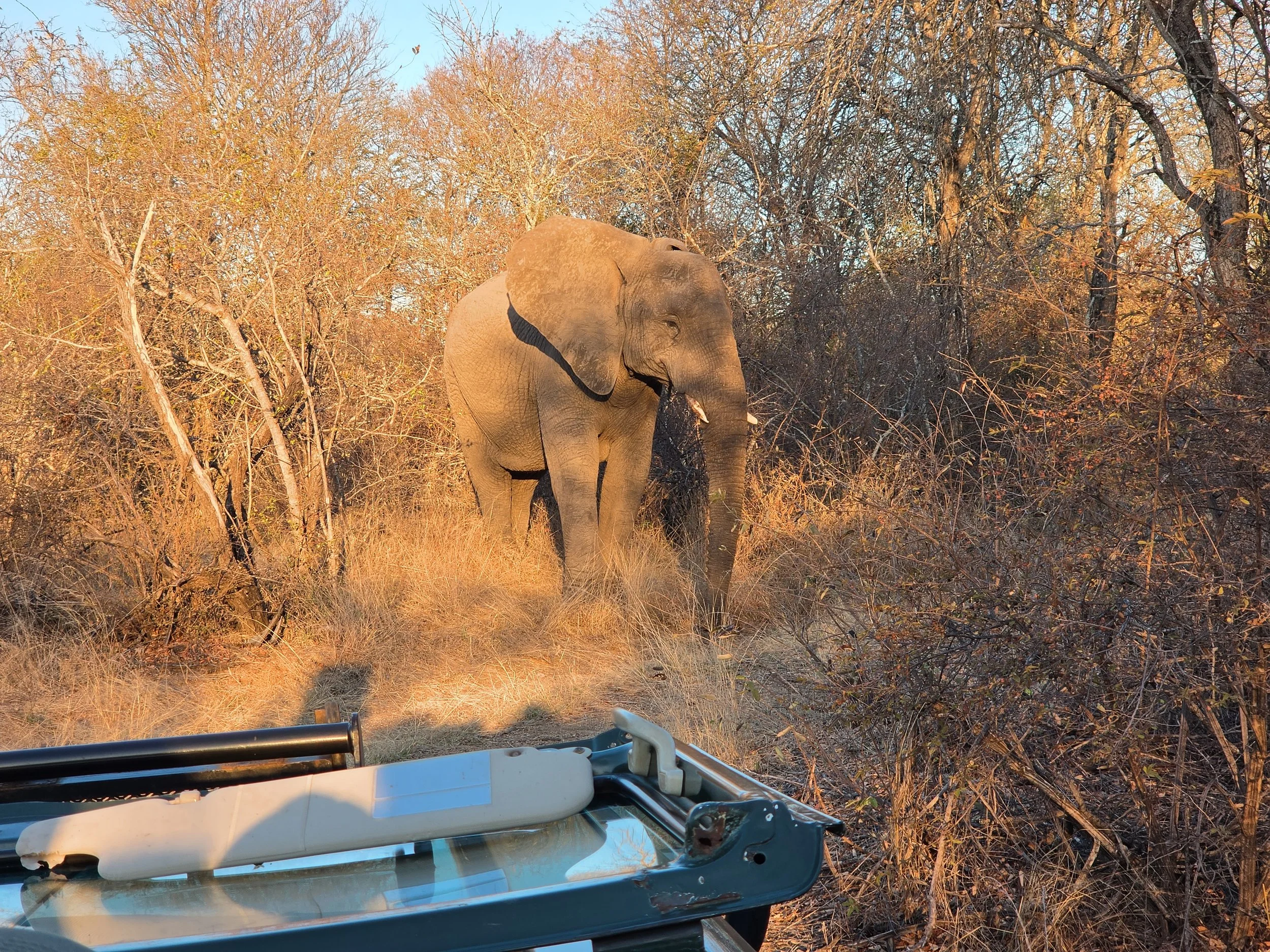
The elephants were the most magnificent. Watching them bulldoze through the bush with their giant legs and tusks was incredible. You could hear them beforeyou saw them, then they’d barge out of the forest like King Kong. Once, we had to reverse the truck down a steep ravine to get out of their way.
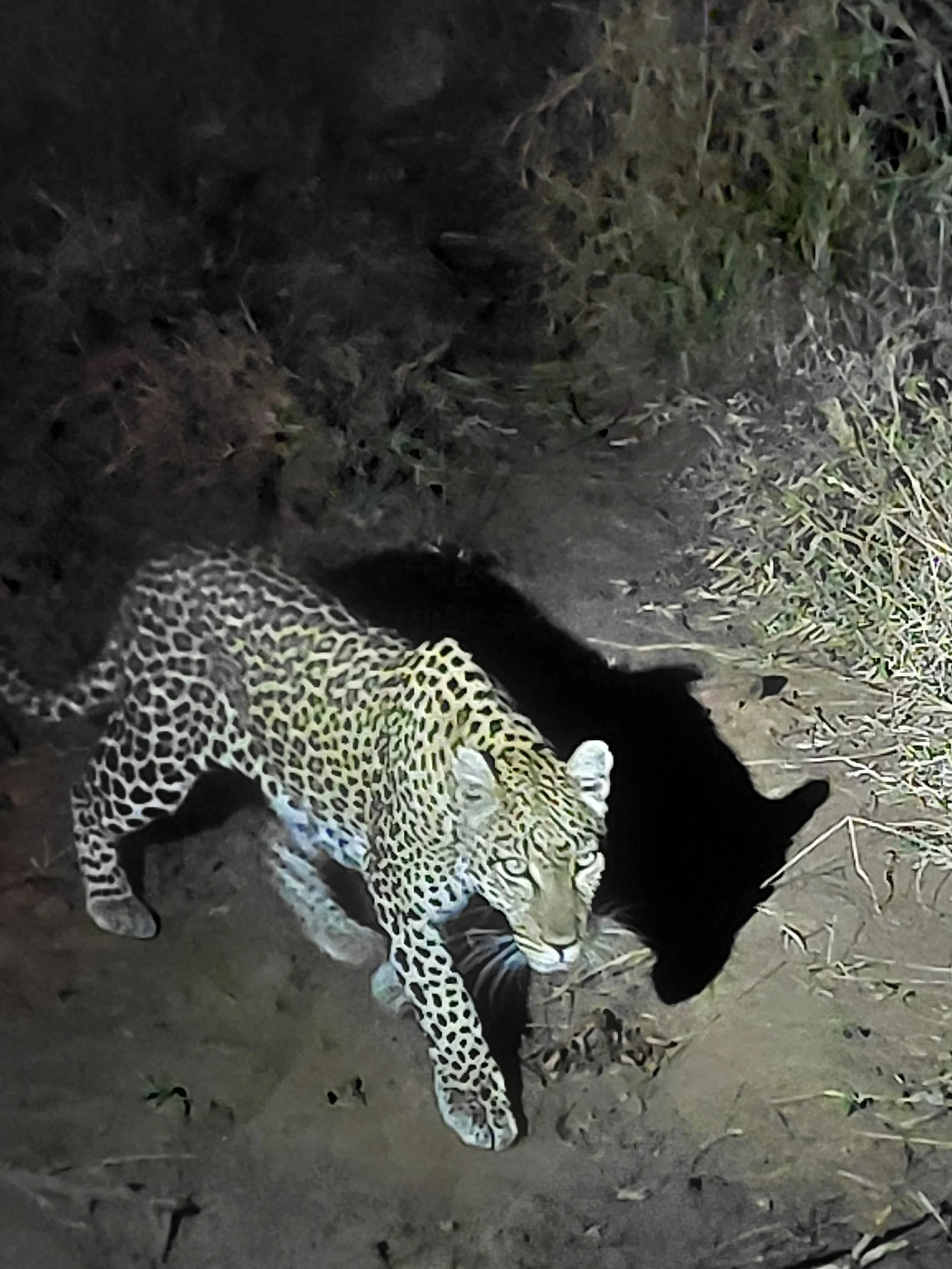
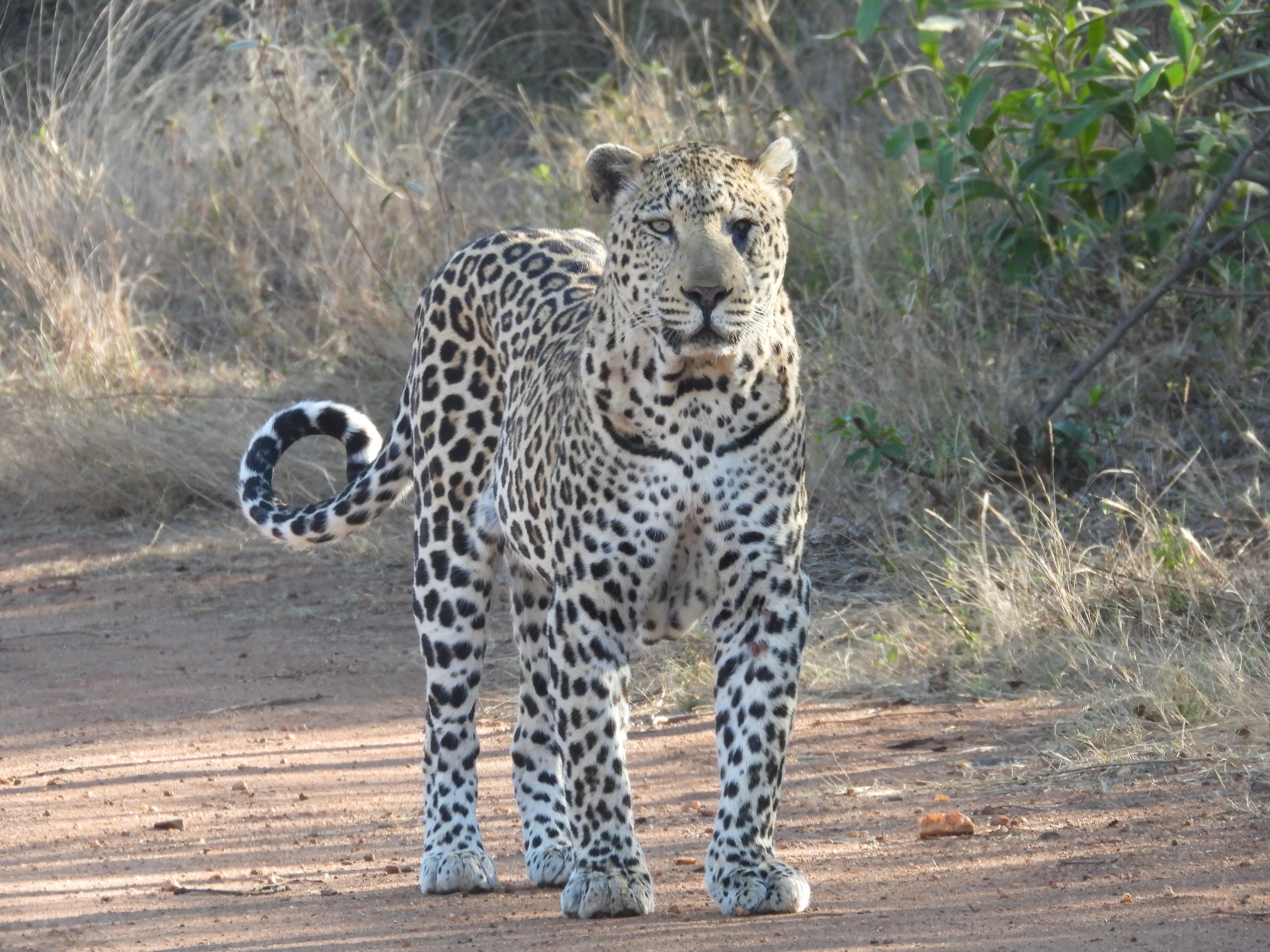
And the leopards were surprisingly accessible. One large male with only one eye was waiting for us as we rounded a corner. He was just sitting there, swishing his tail as if he knew we were coming. It was an incredible sight.
A few days later, we had another amazing leopard encounter. A smaller female was walking straight toward us along the road. She walked right past our truck and then stopped to hunt something in the bushes beside us. The cats in this park seemed to look past or through us in the safari truck and continue to concentrate on the task of hunting, whereas other animals responded more to our presence….except the crocodiles.
There were monkeys all around the lodge, too. During coffee or lunch on the patio, they would be playing nearby. Some were quite cheeky.
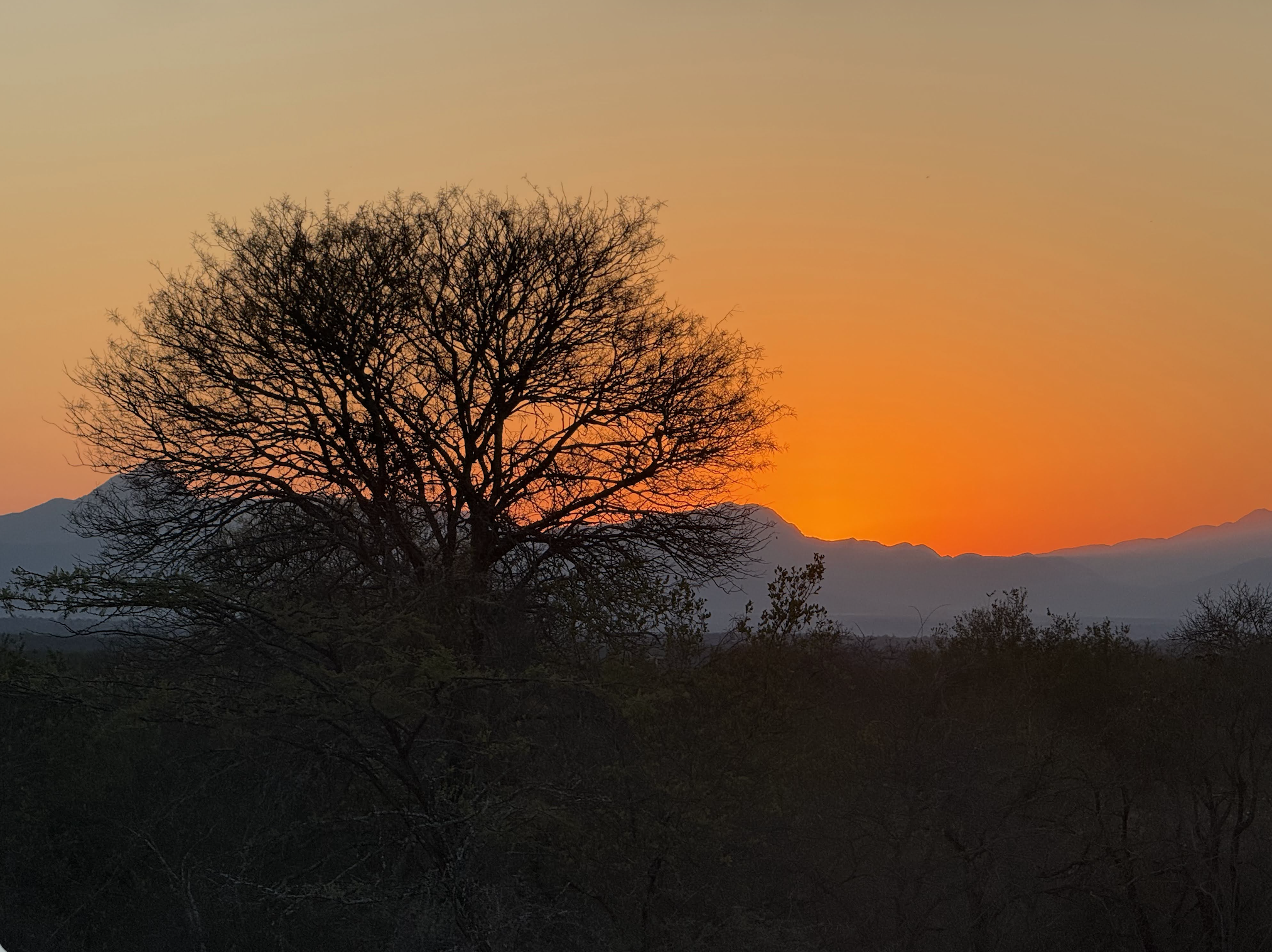
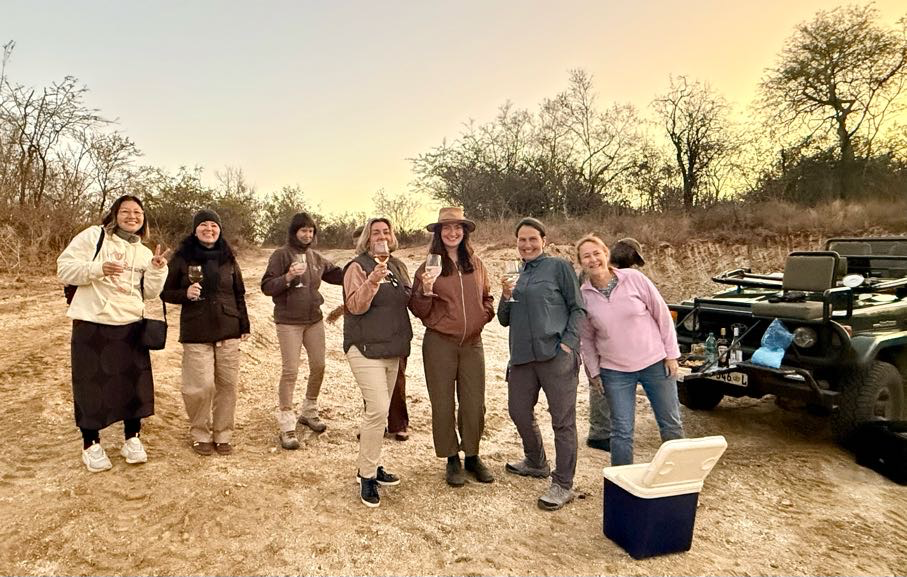
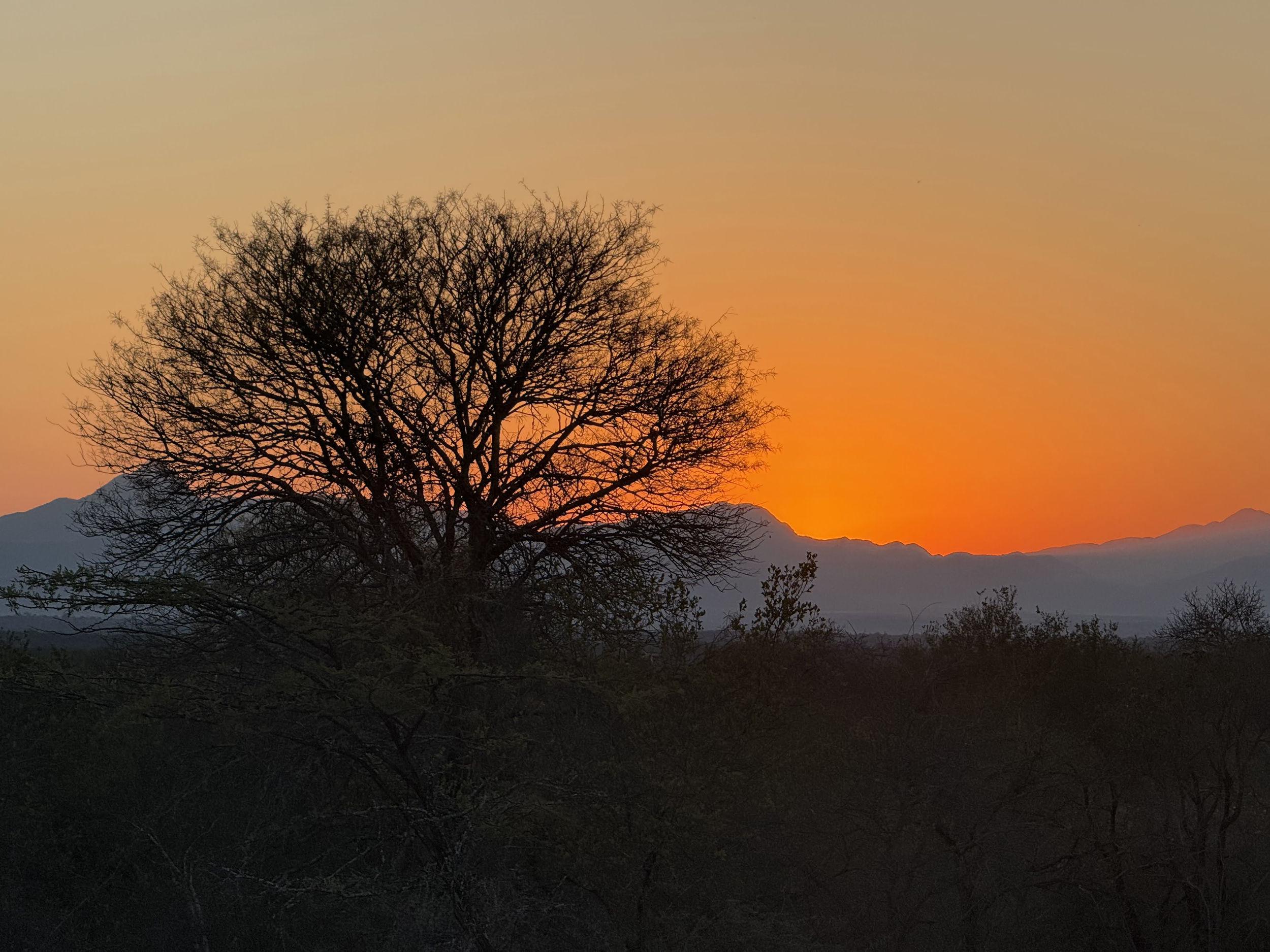
We climbed kopjes, amazing rocky outcrops rising above the surrounding bush, and each evening during the golden sunset, we would stop for sundowners on the game drive. Those were some of our favorite moments.
On one outing, a few of the girls even ate huge, juicy termites fresh from a termite mound. Eww! Not me!
It was winter in South Africa, but still warm during the day, with chilly mornings. The dry winter season also made wildlife easier to spot, as the vegetation was thinner and animals gathered around water sources.
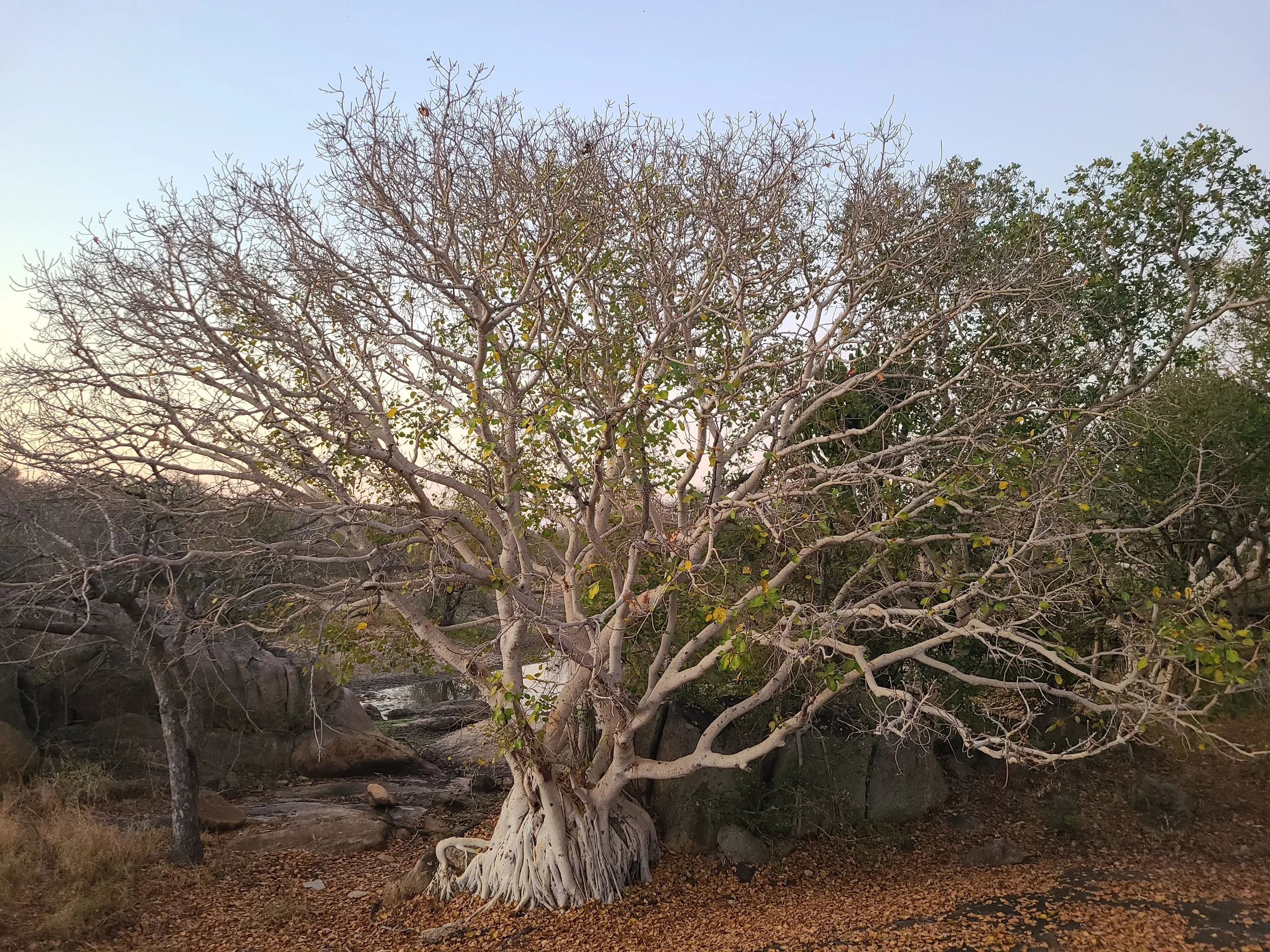
Being out in the bush was magical. The wind on our faces, bouncing around in the truck, moving through cool riparian forests and microclimates, knowing there was danger and wild around, the glow of the sun, and the budding friendships of this group of gals.
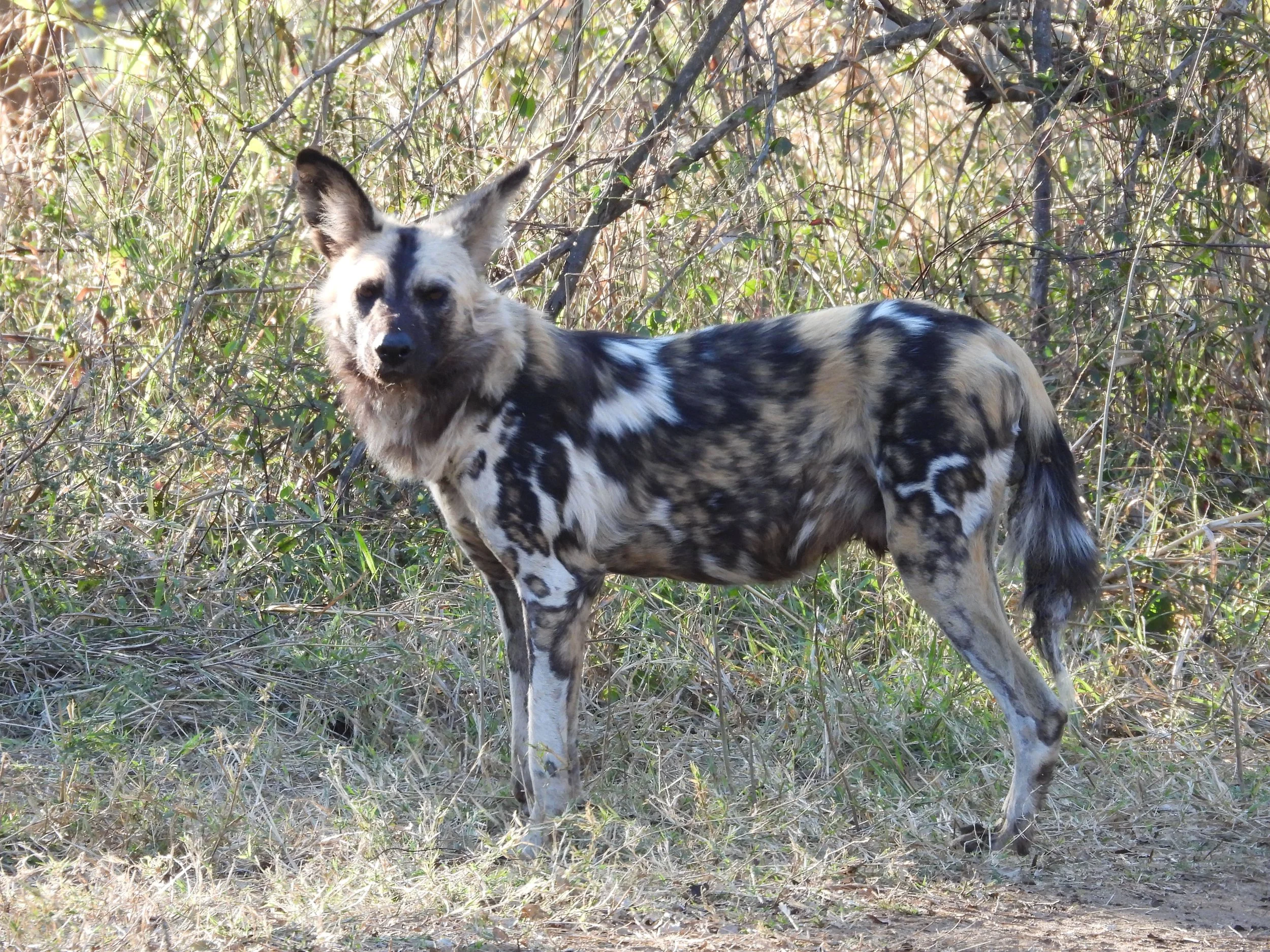
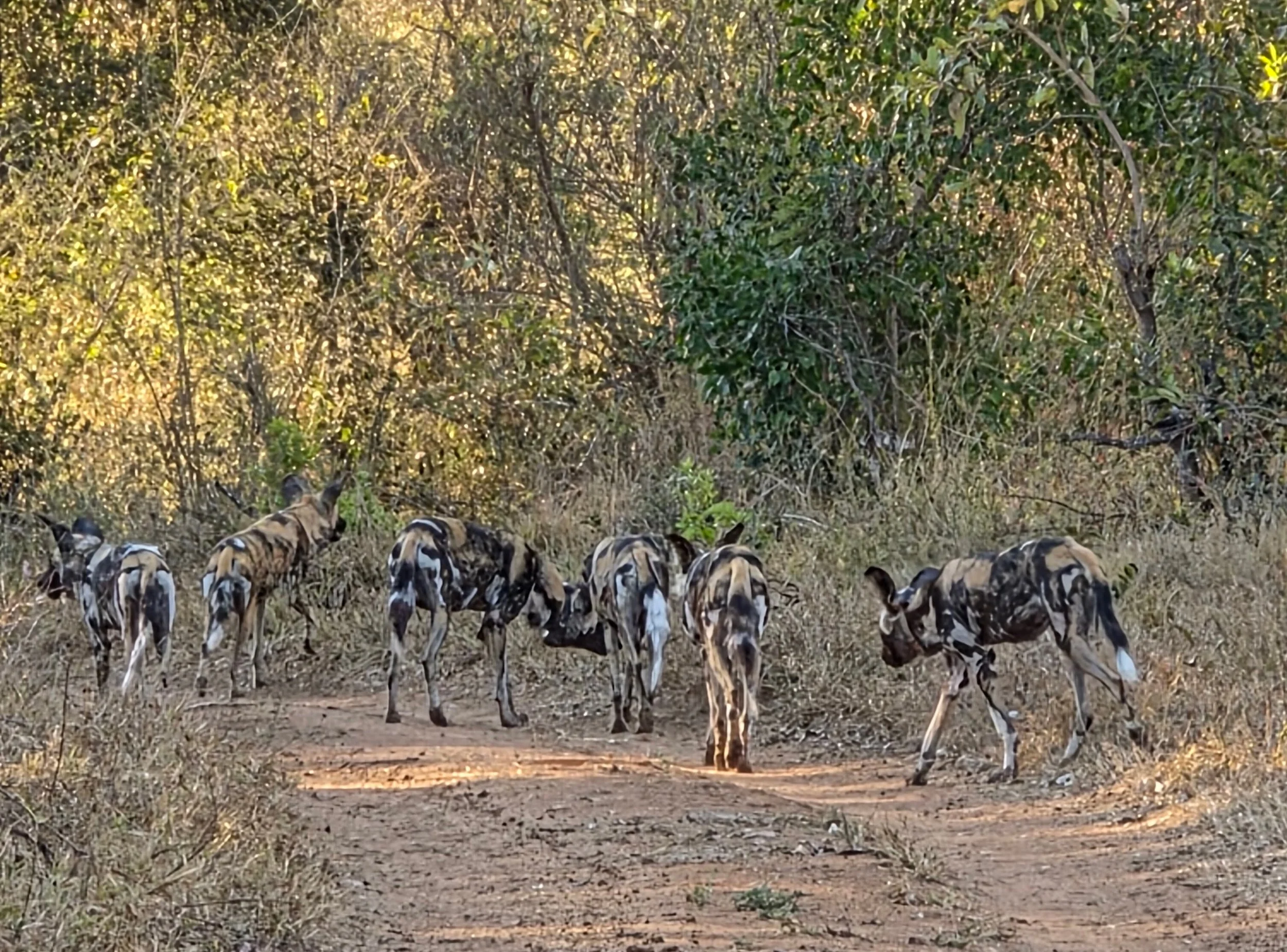
PS: The endangered wild dogs (also known as painted dog or painted wolf) were something to look at!
Conservation observations
Private game reserves are fenced in this region. Natural migration is limited by fencing.
Invasive plants outcompete native species and consume scarce water and nutrients, reducing biodiversity and harming wildlife habitats.
Rhinos at Karongwe have been dehorned as part of anti-poaching efforts. Rangers patrol and monitor boundaries, using tracking, K9 units, and rhino dehorning to protect wildlife from poaching.
A disease free buffalo can cost upwards of $50,000.
*Several of these pictures were taken by others on the trip