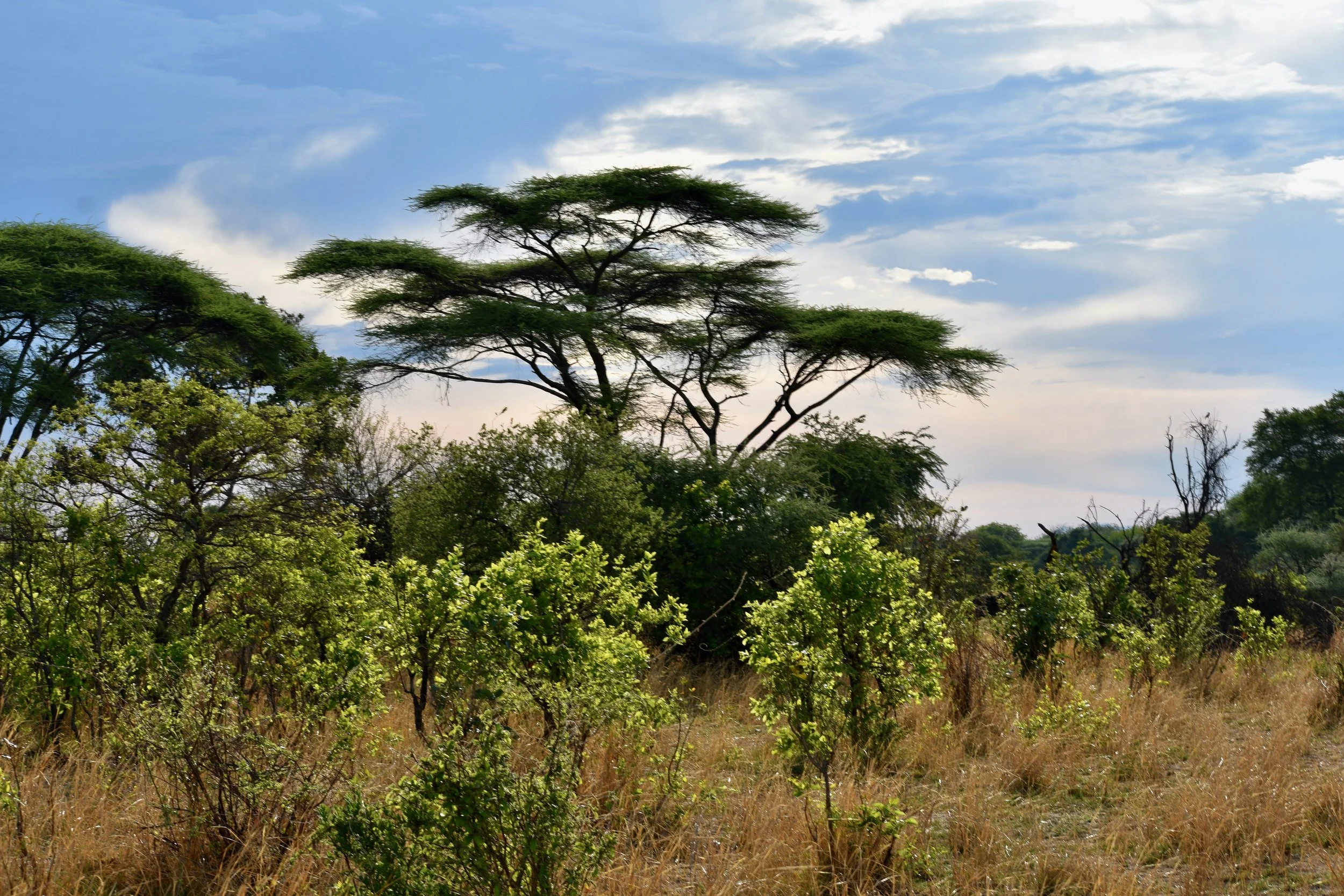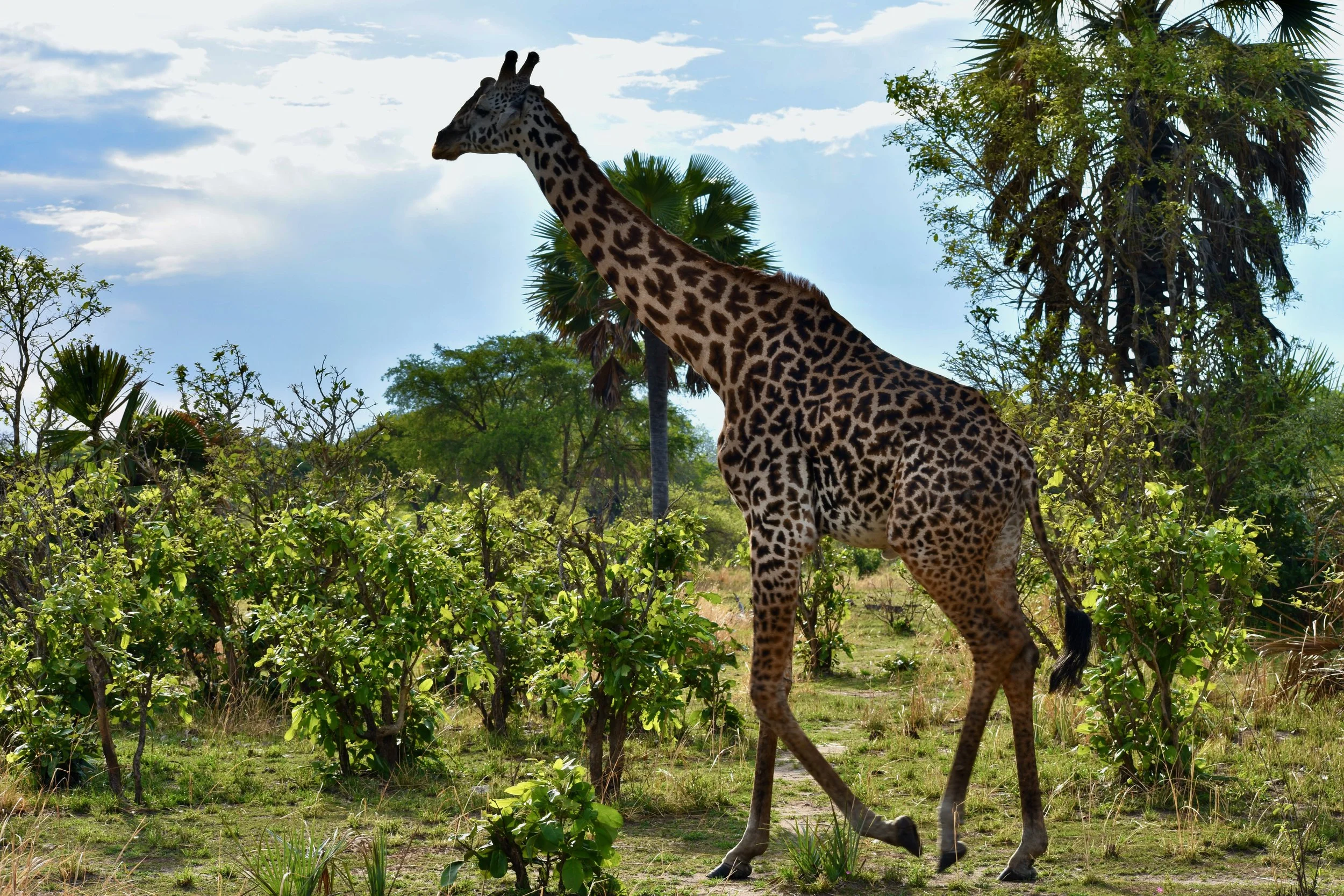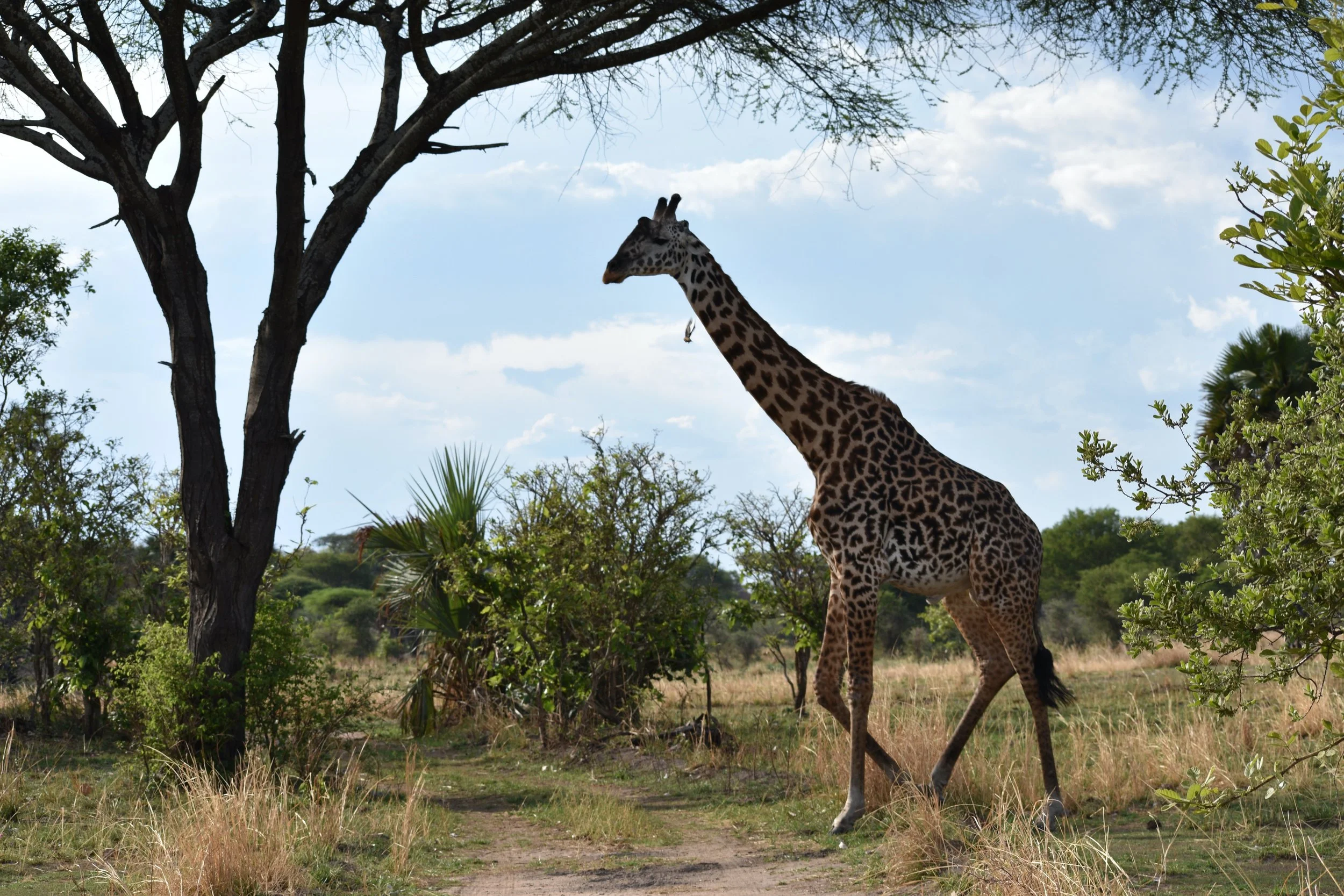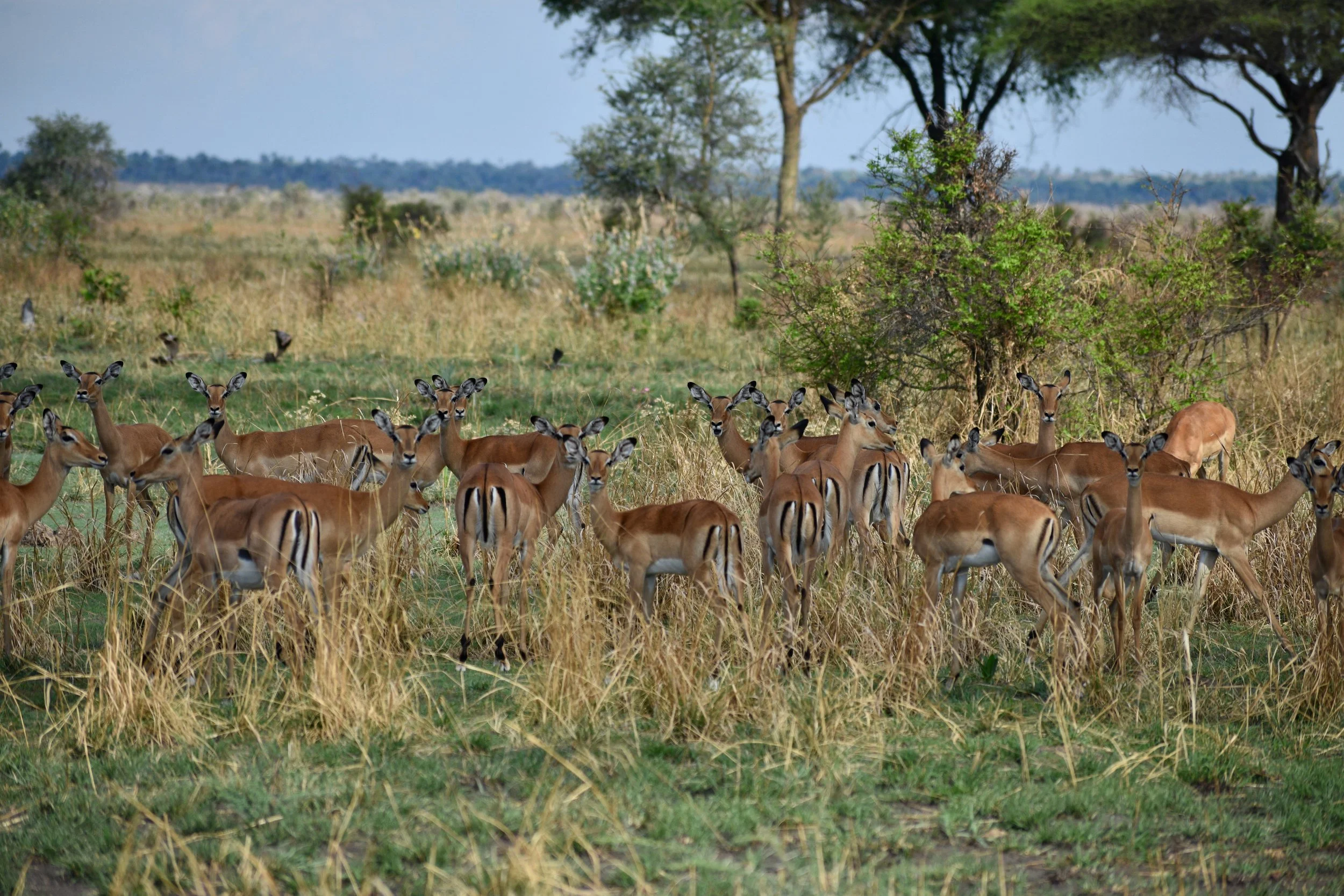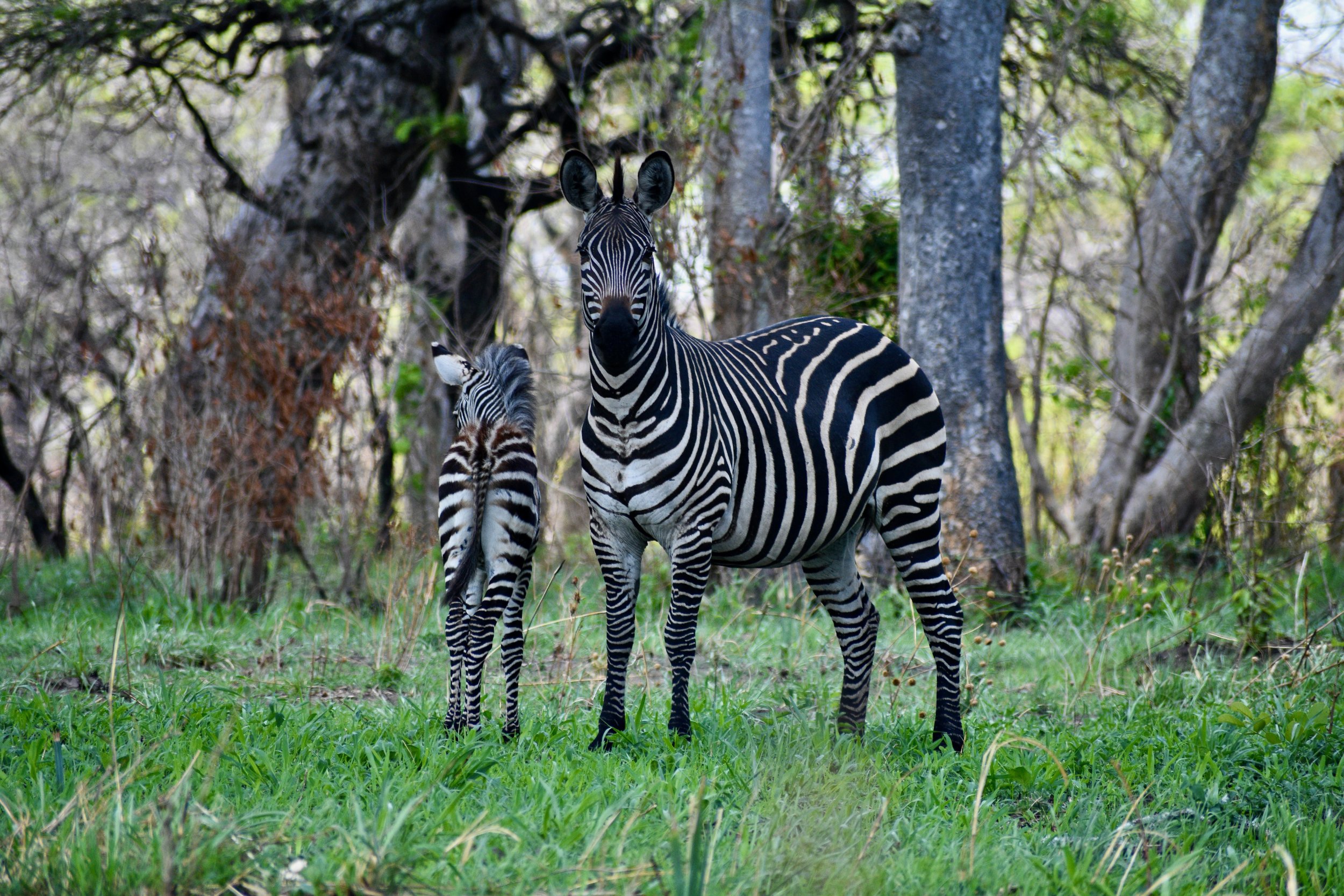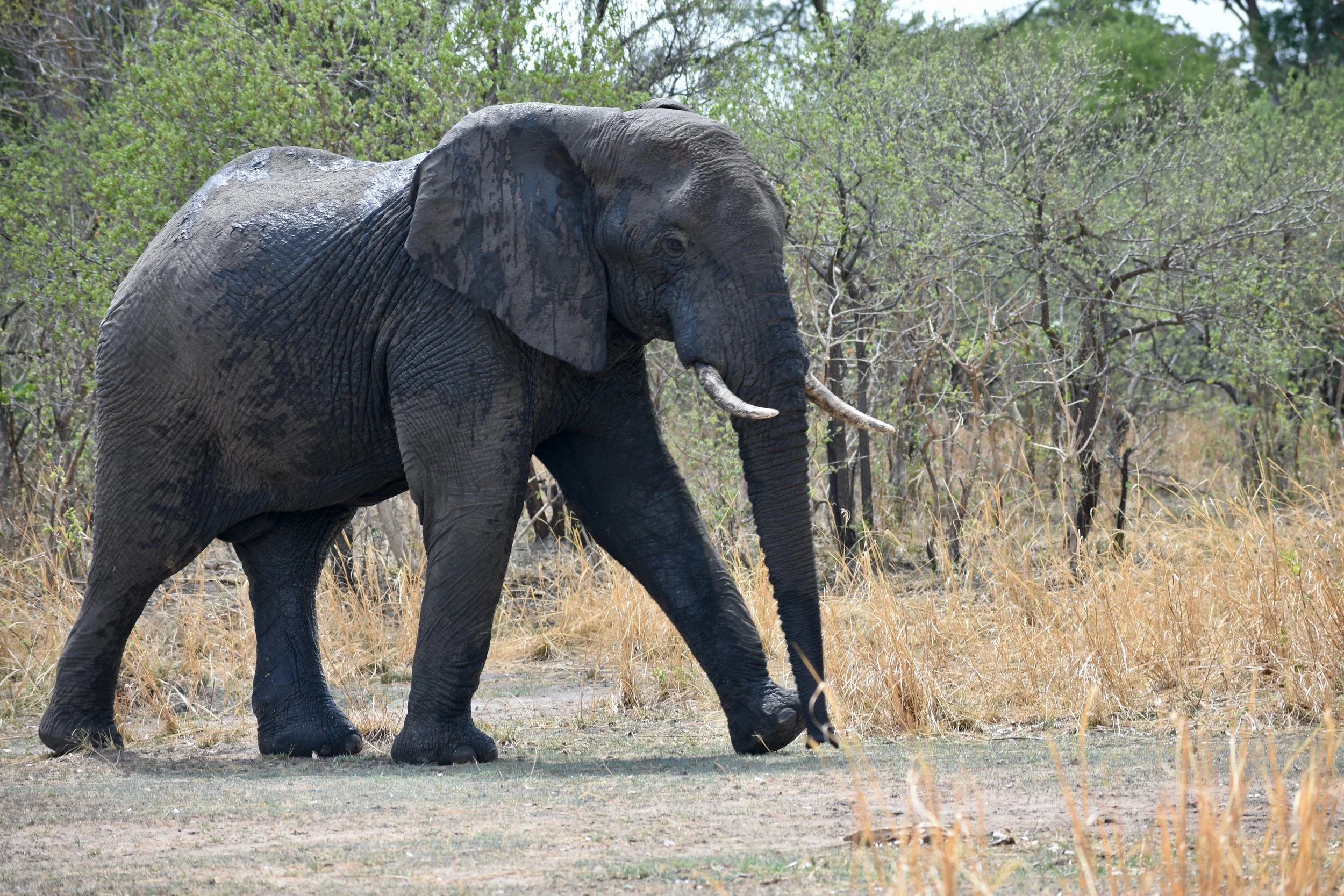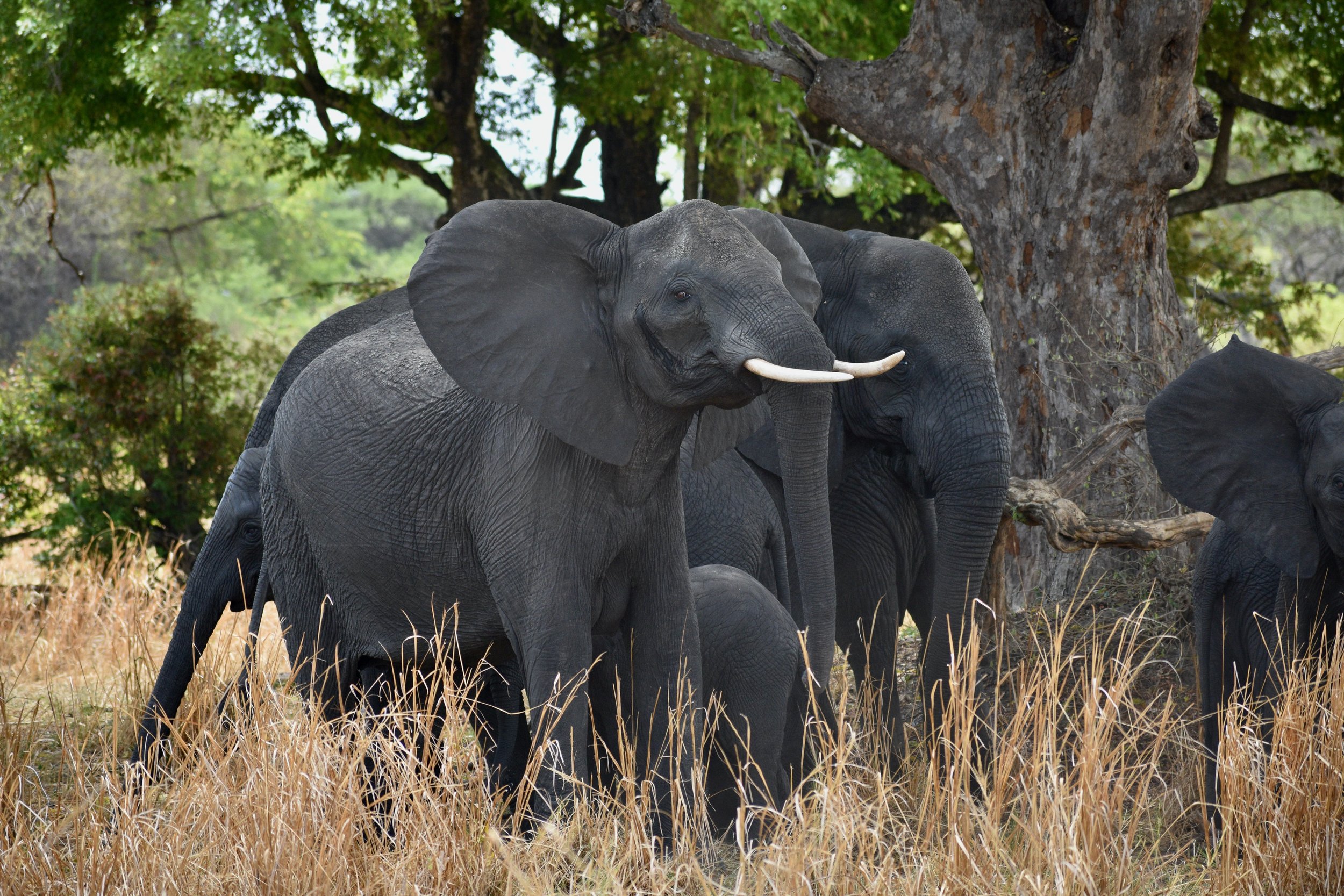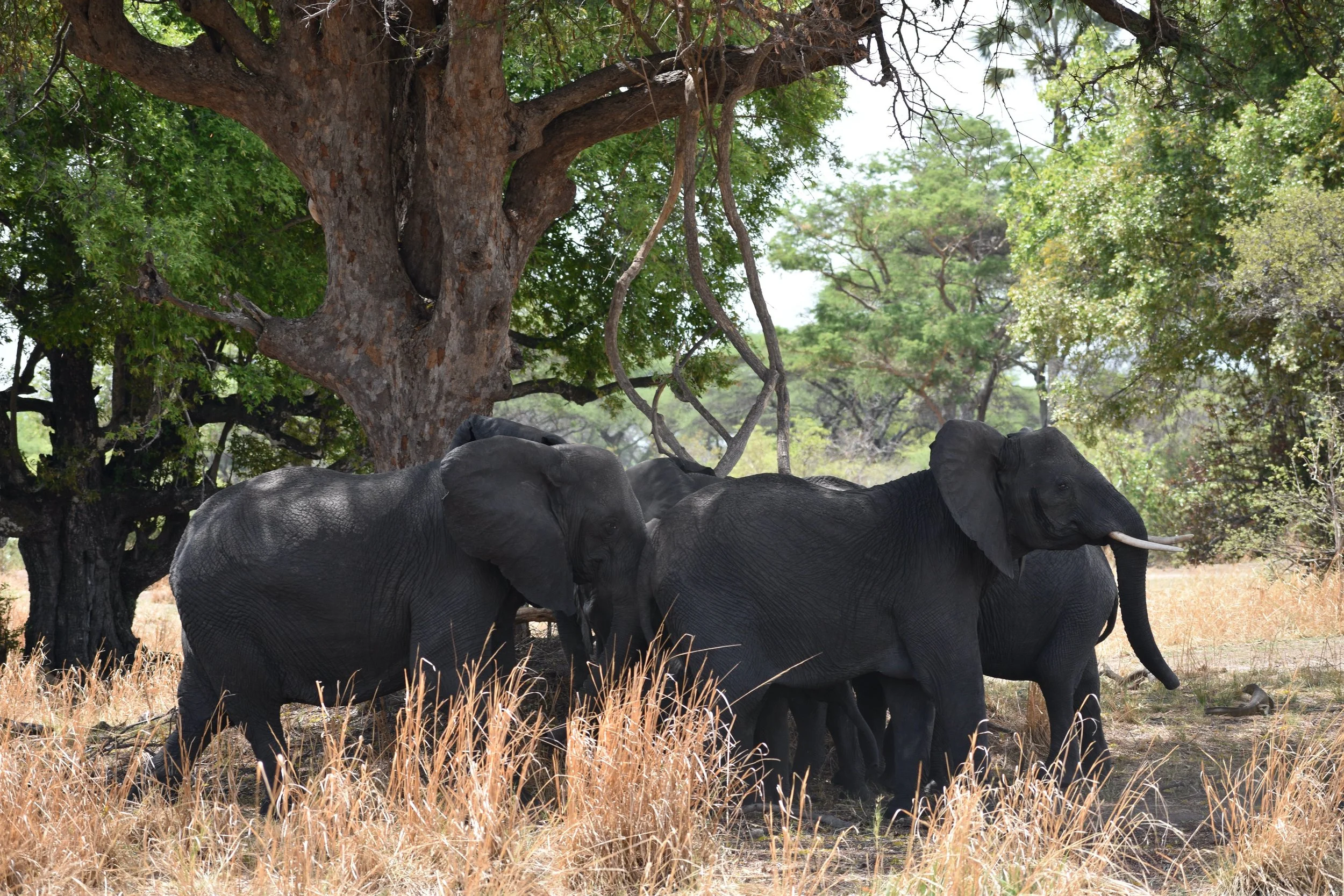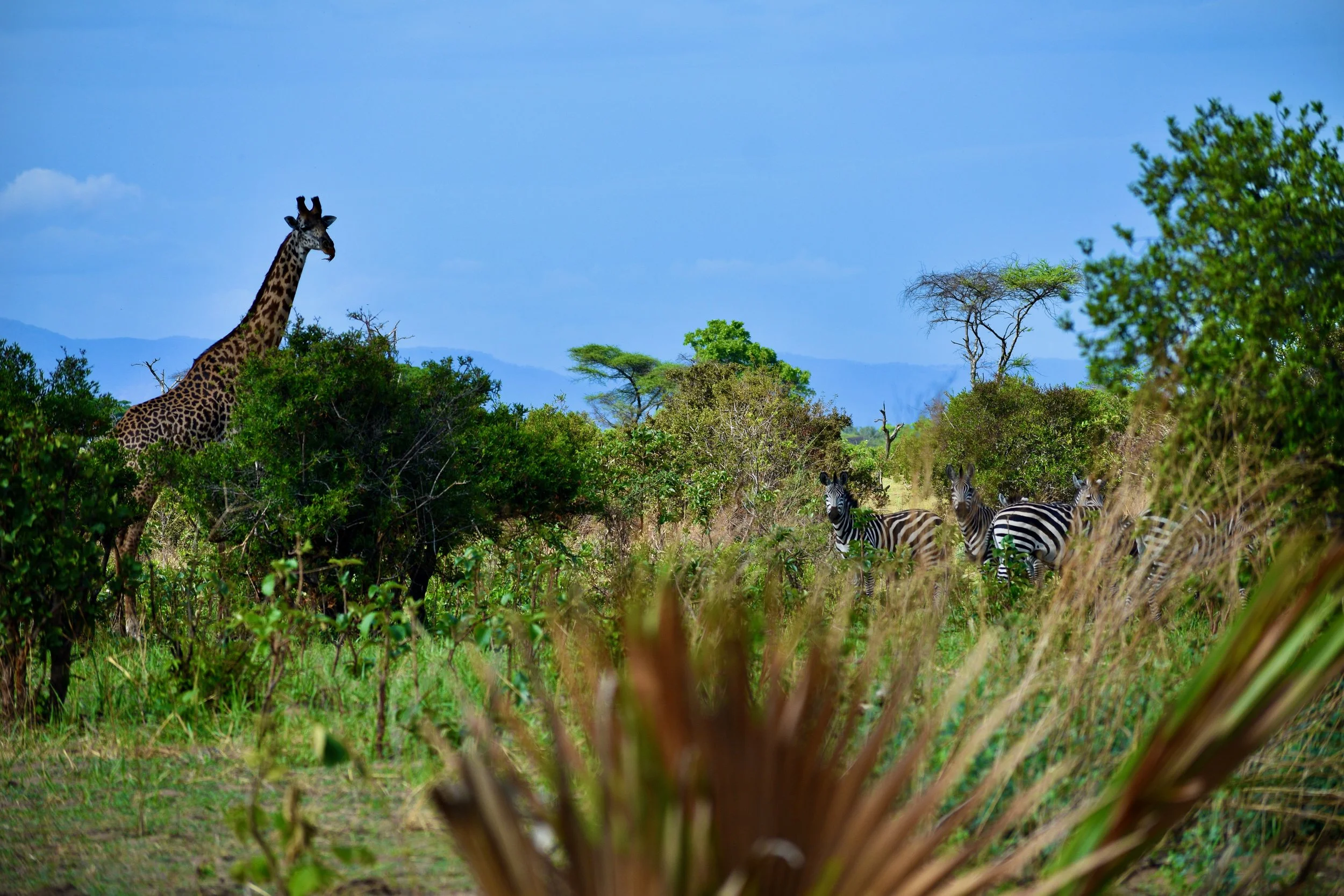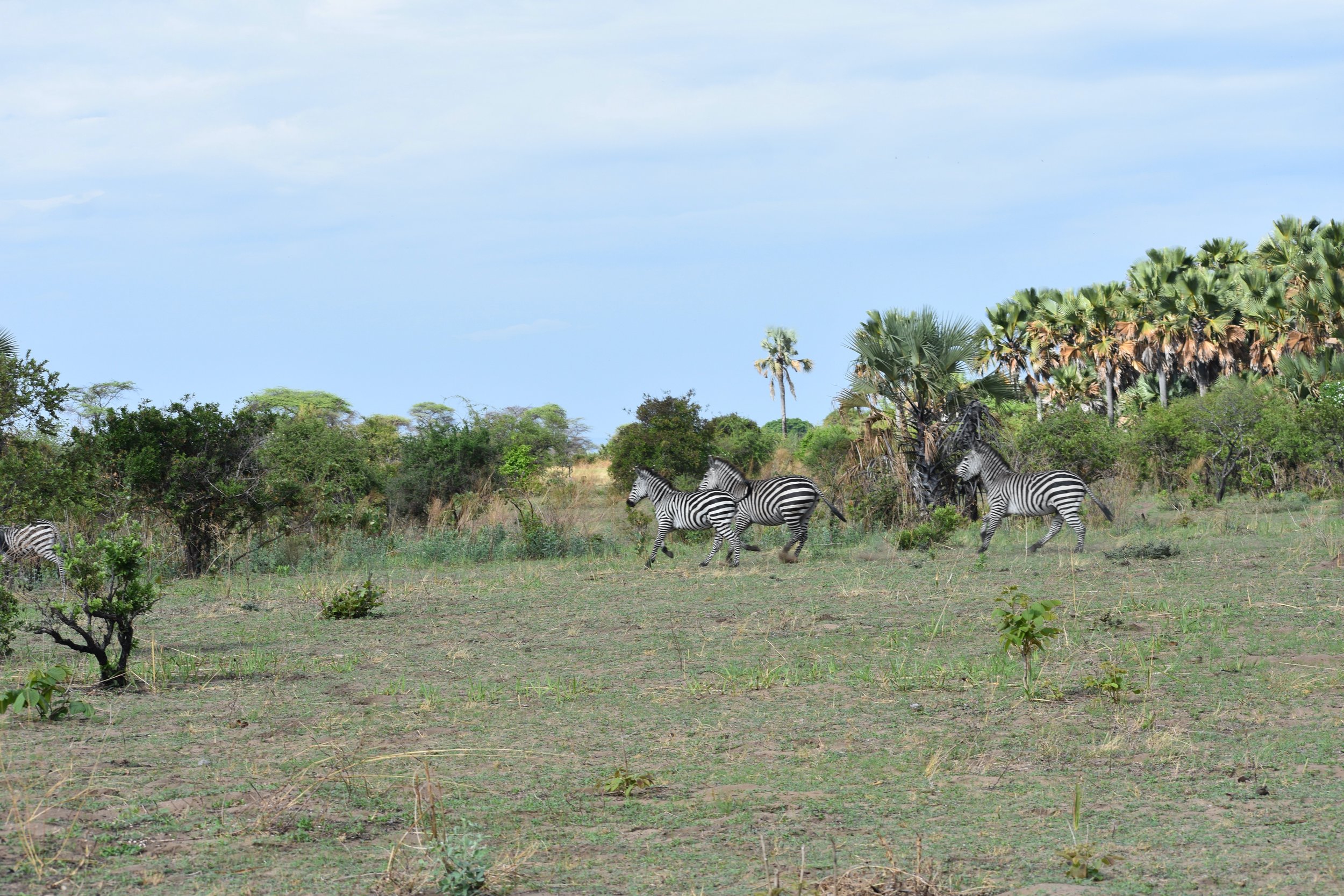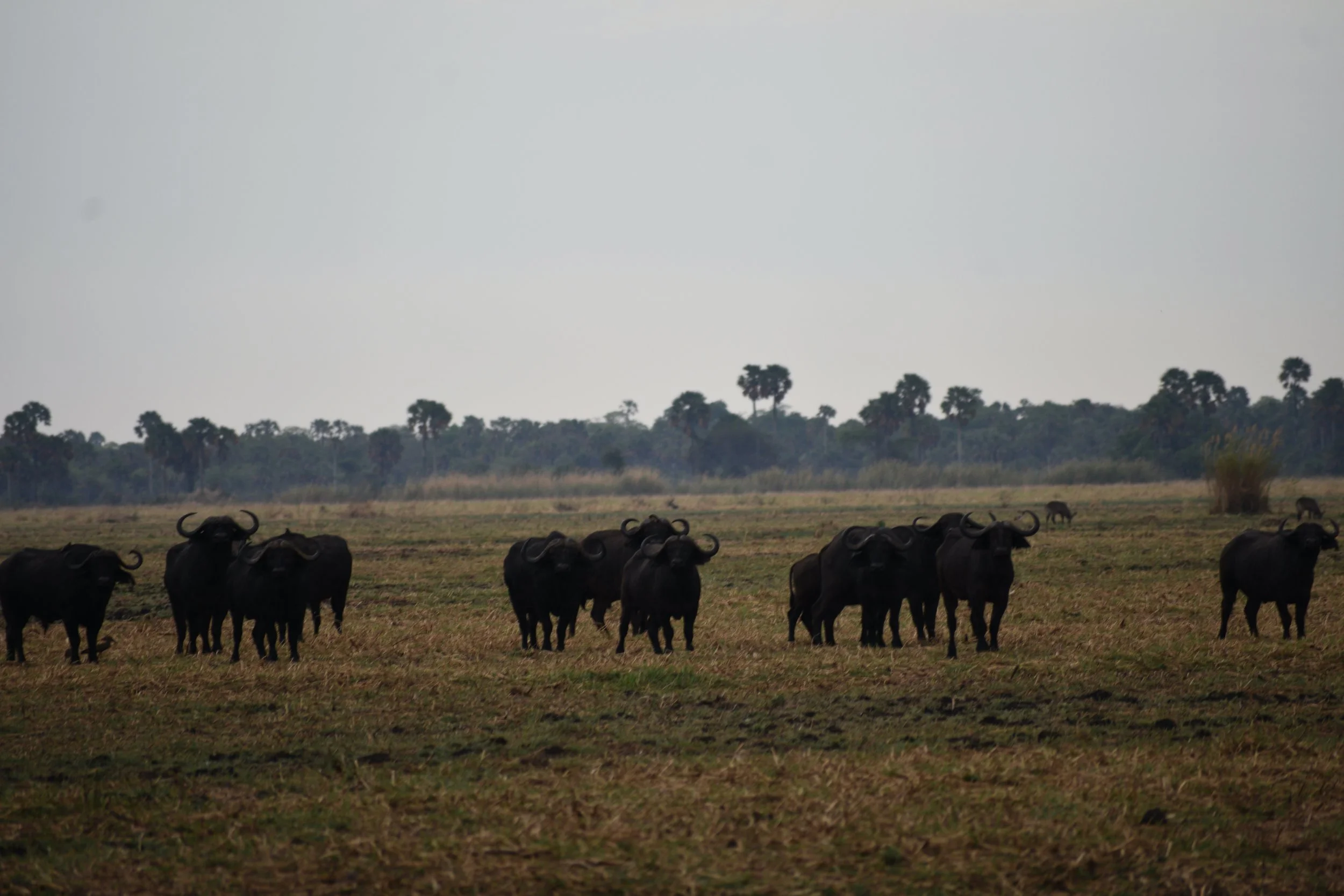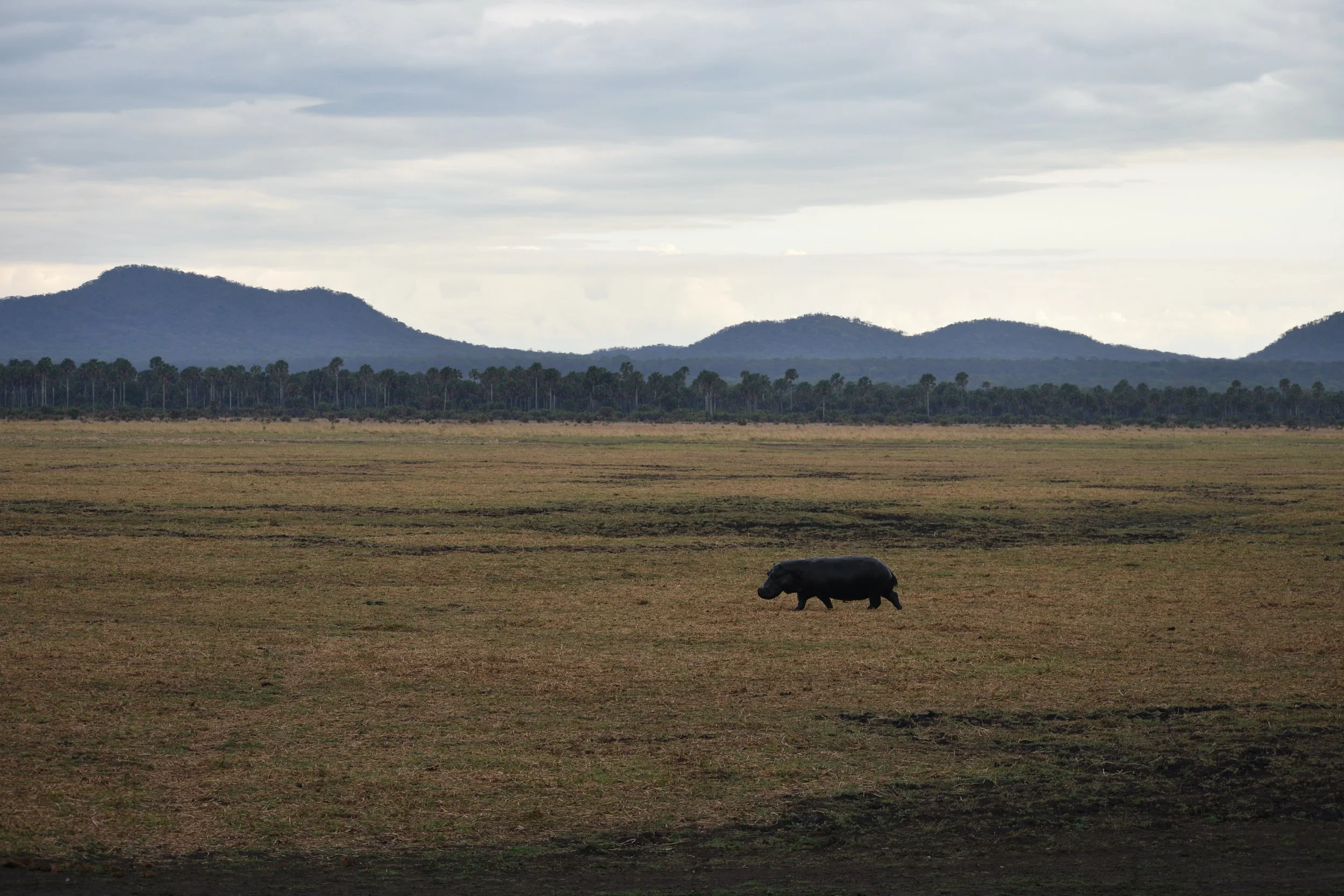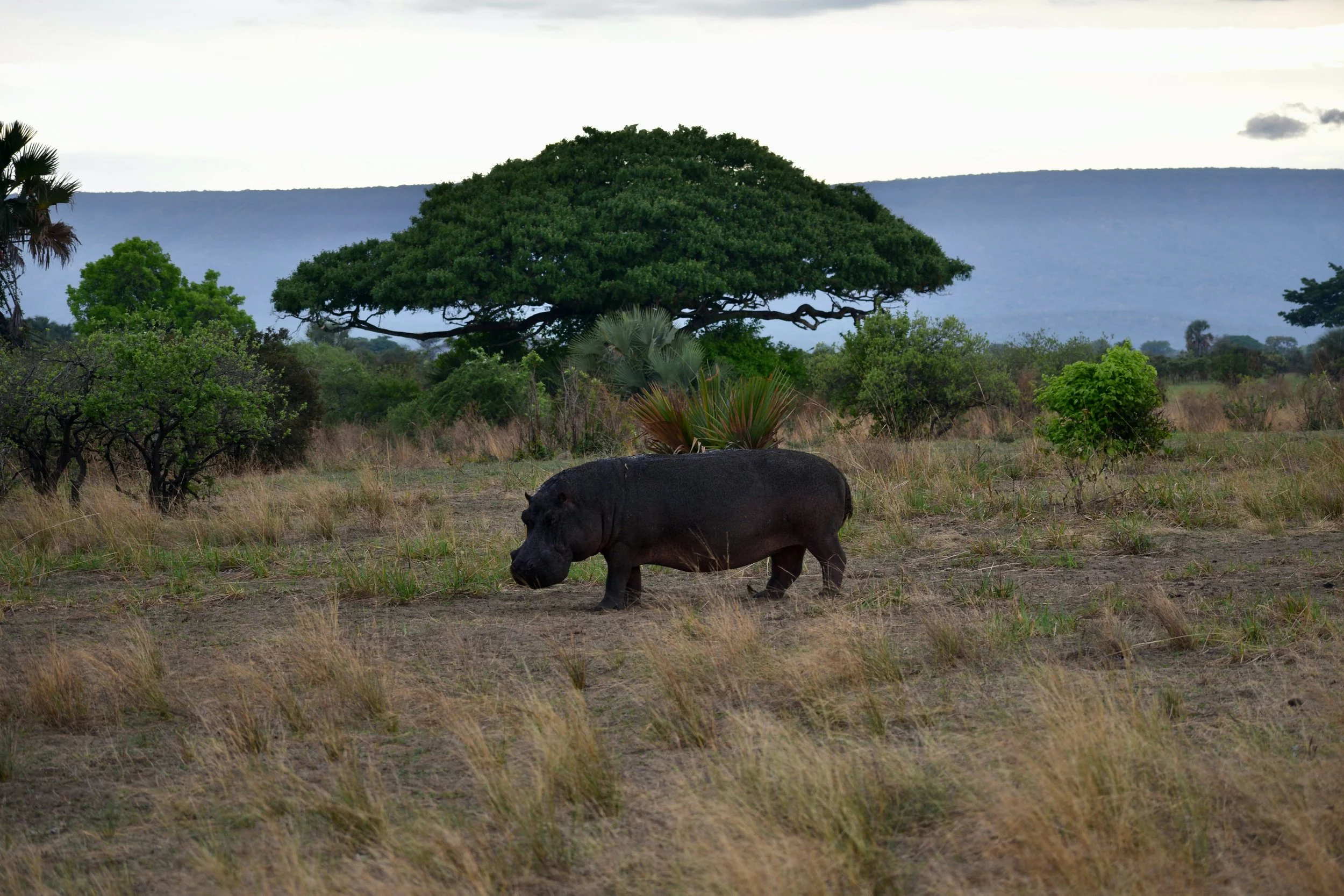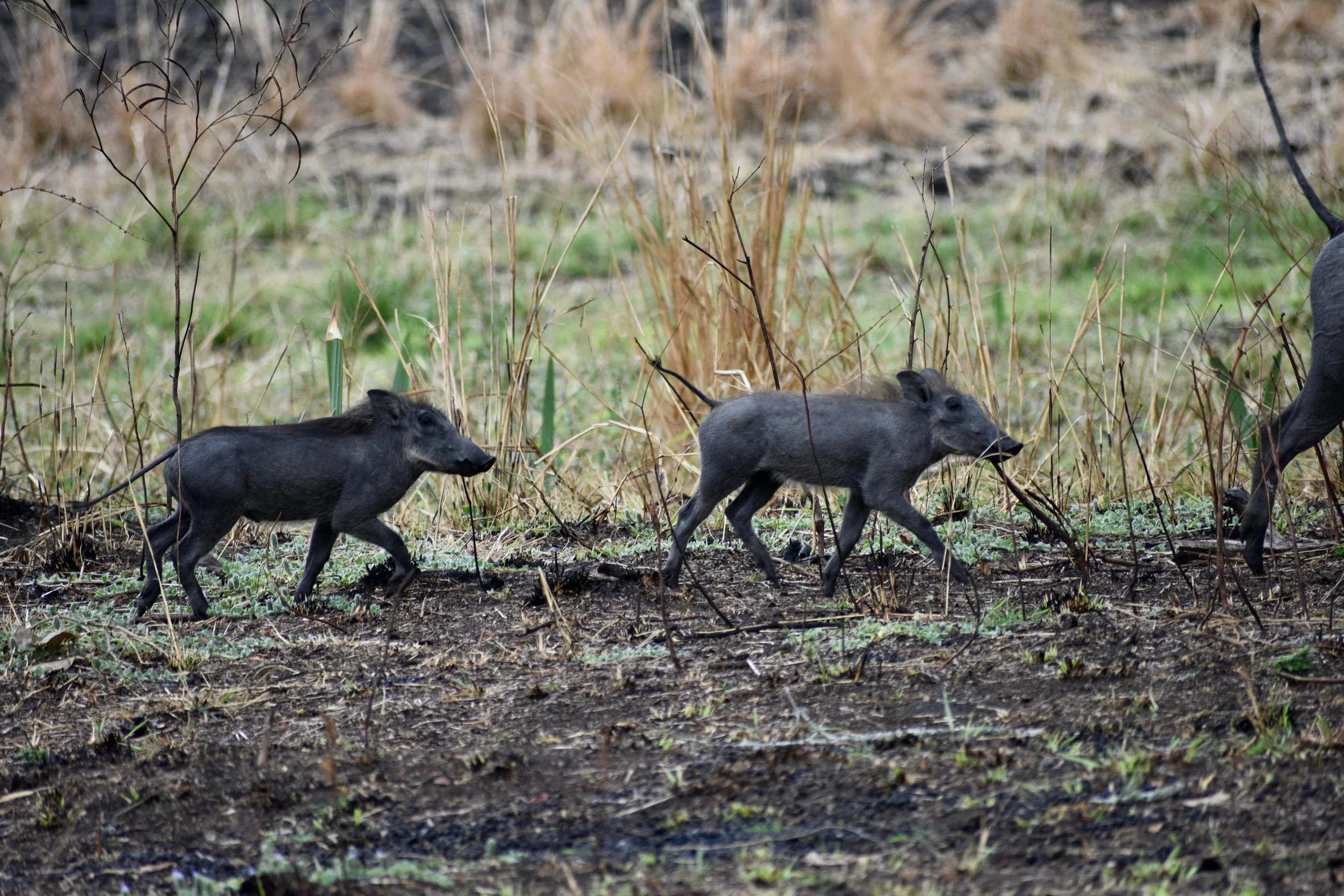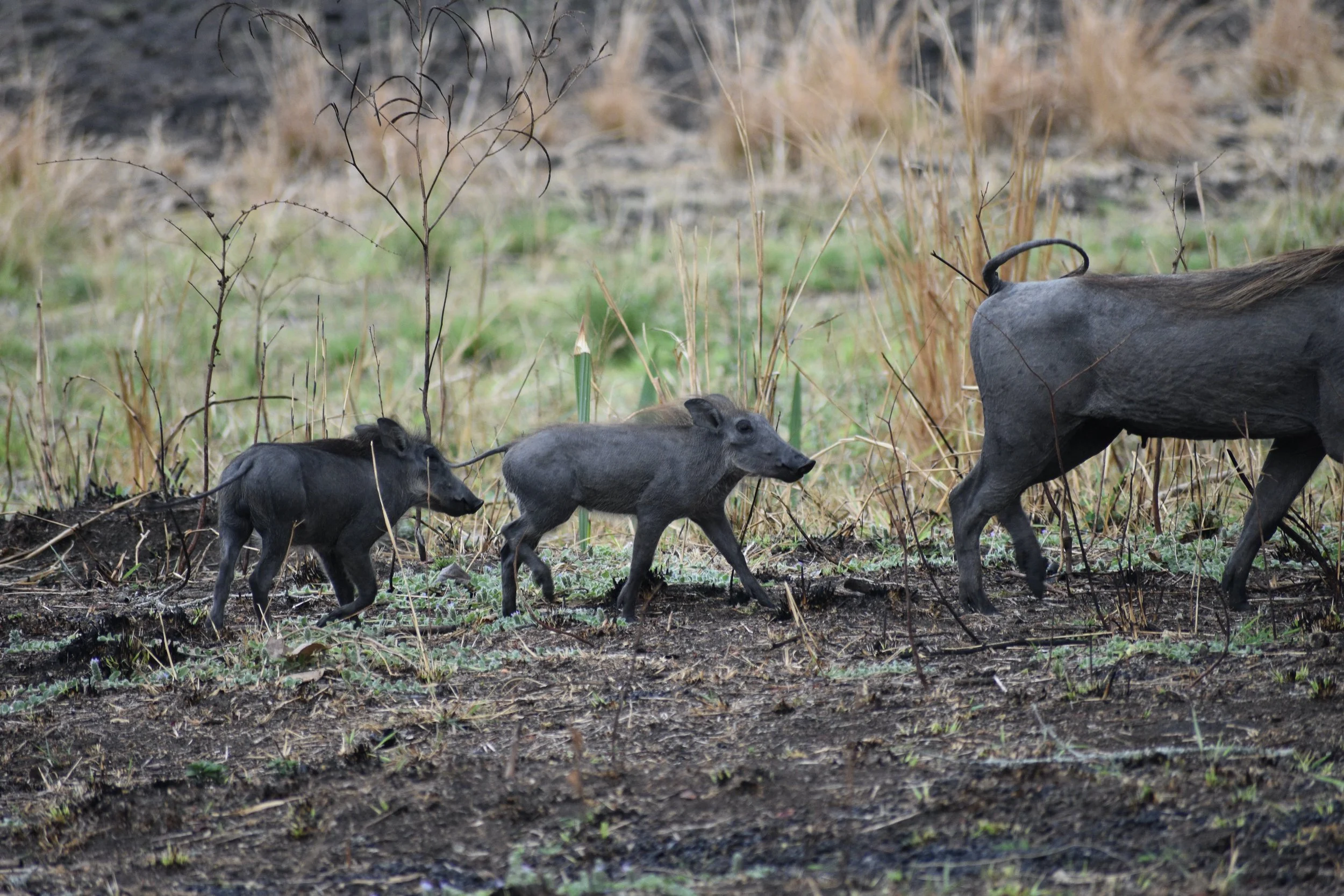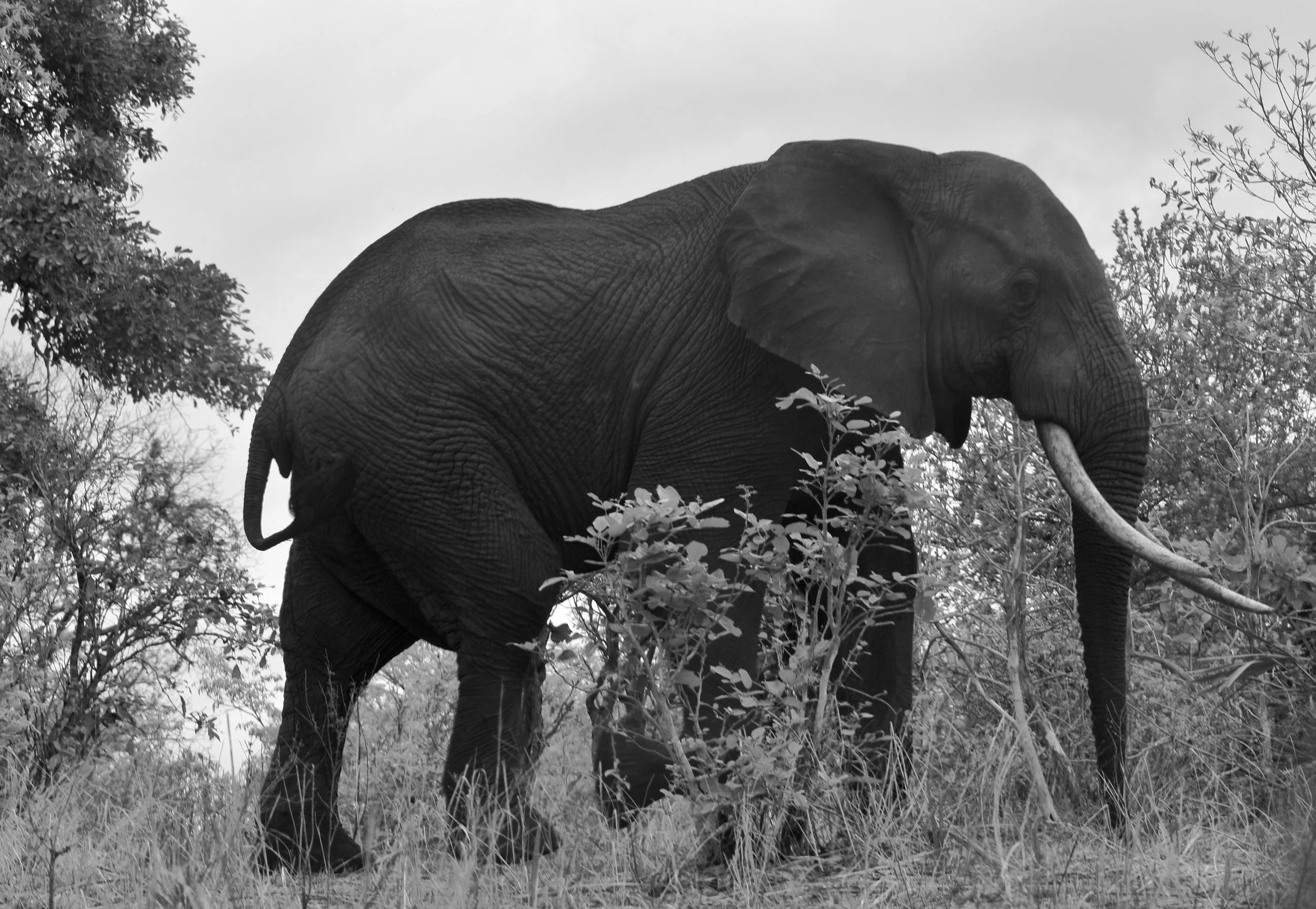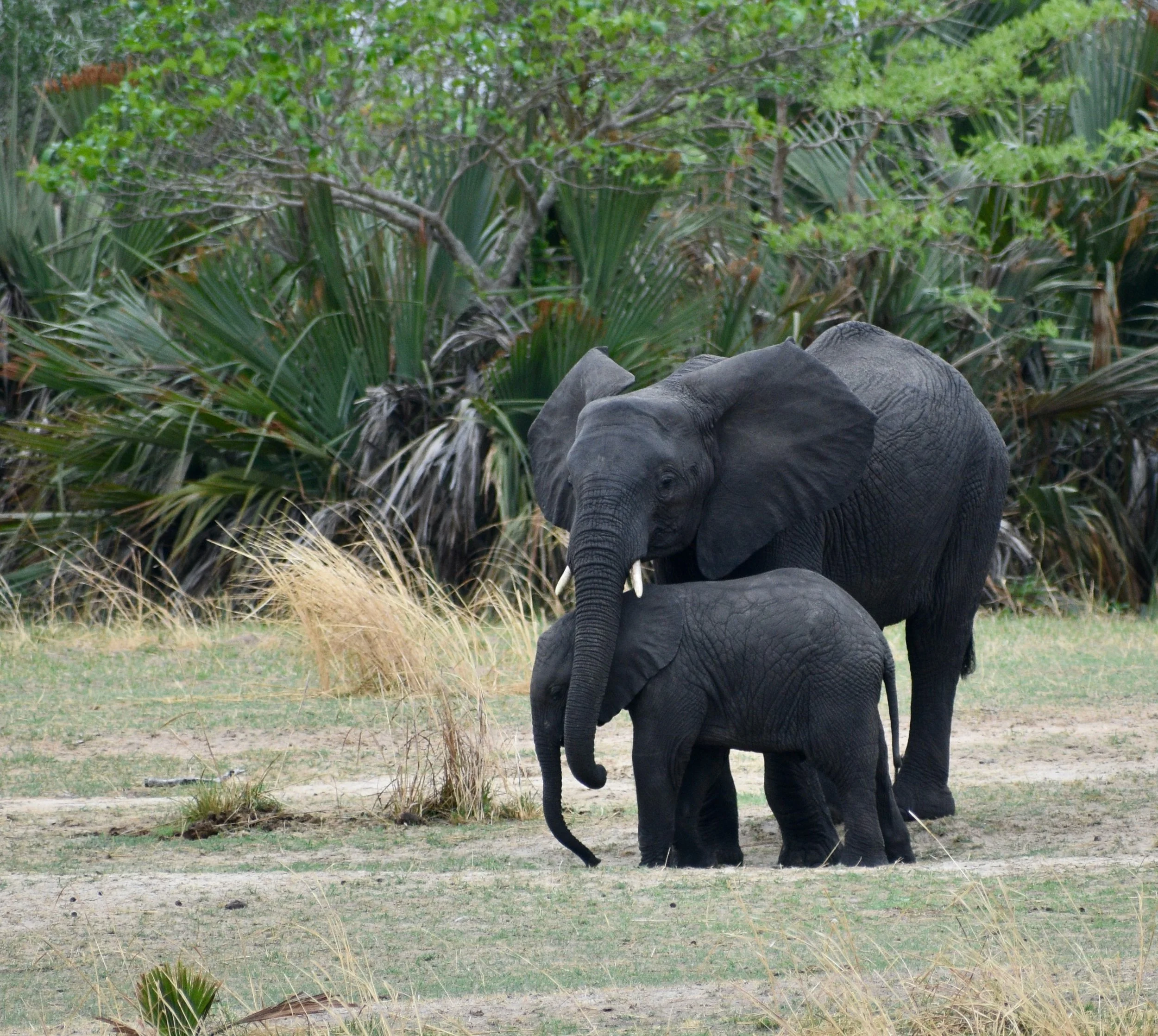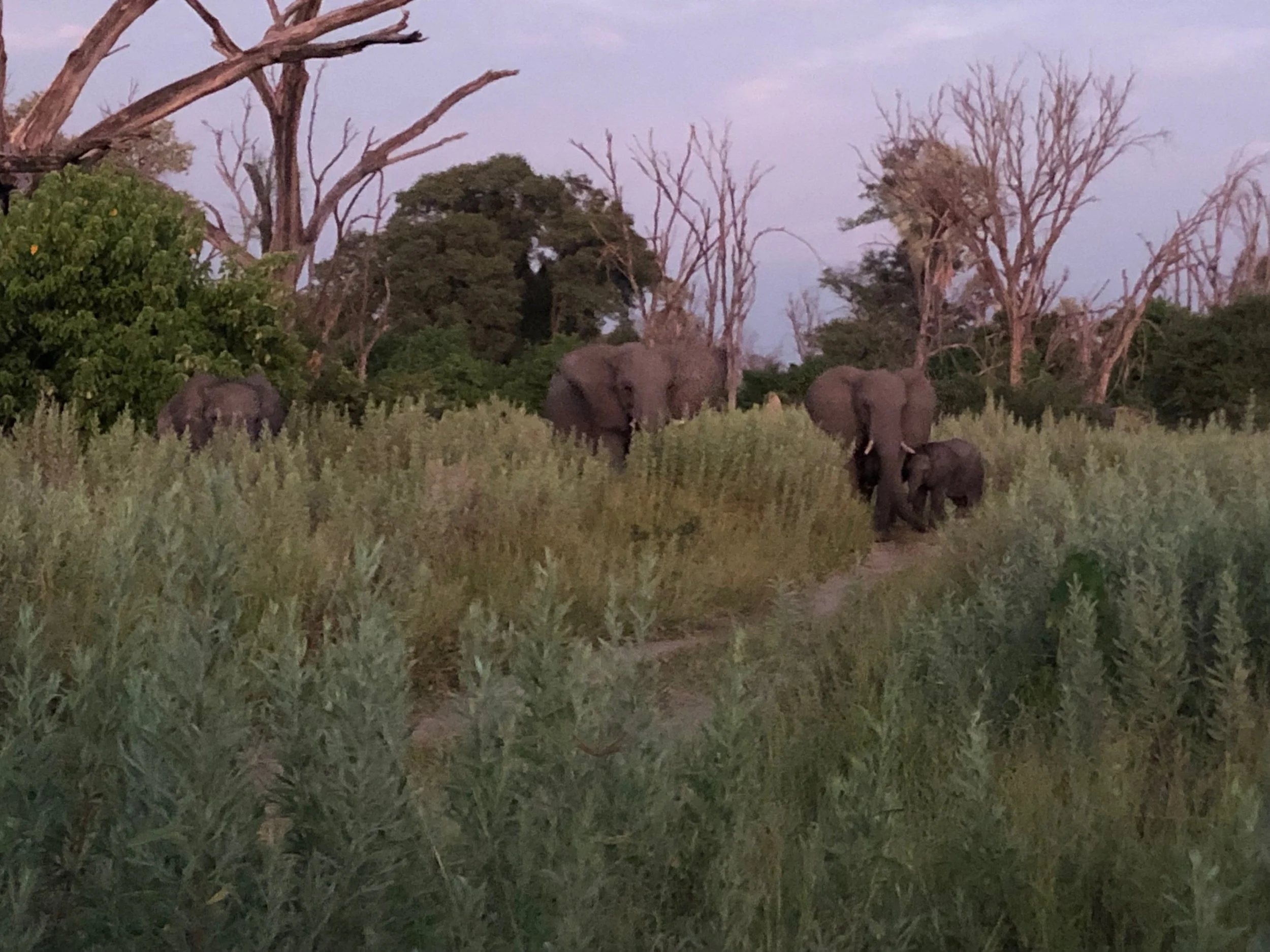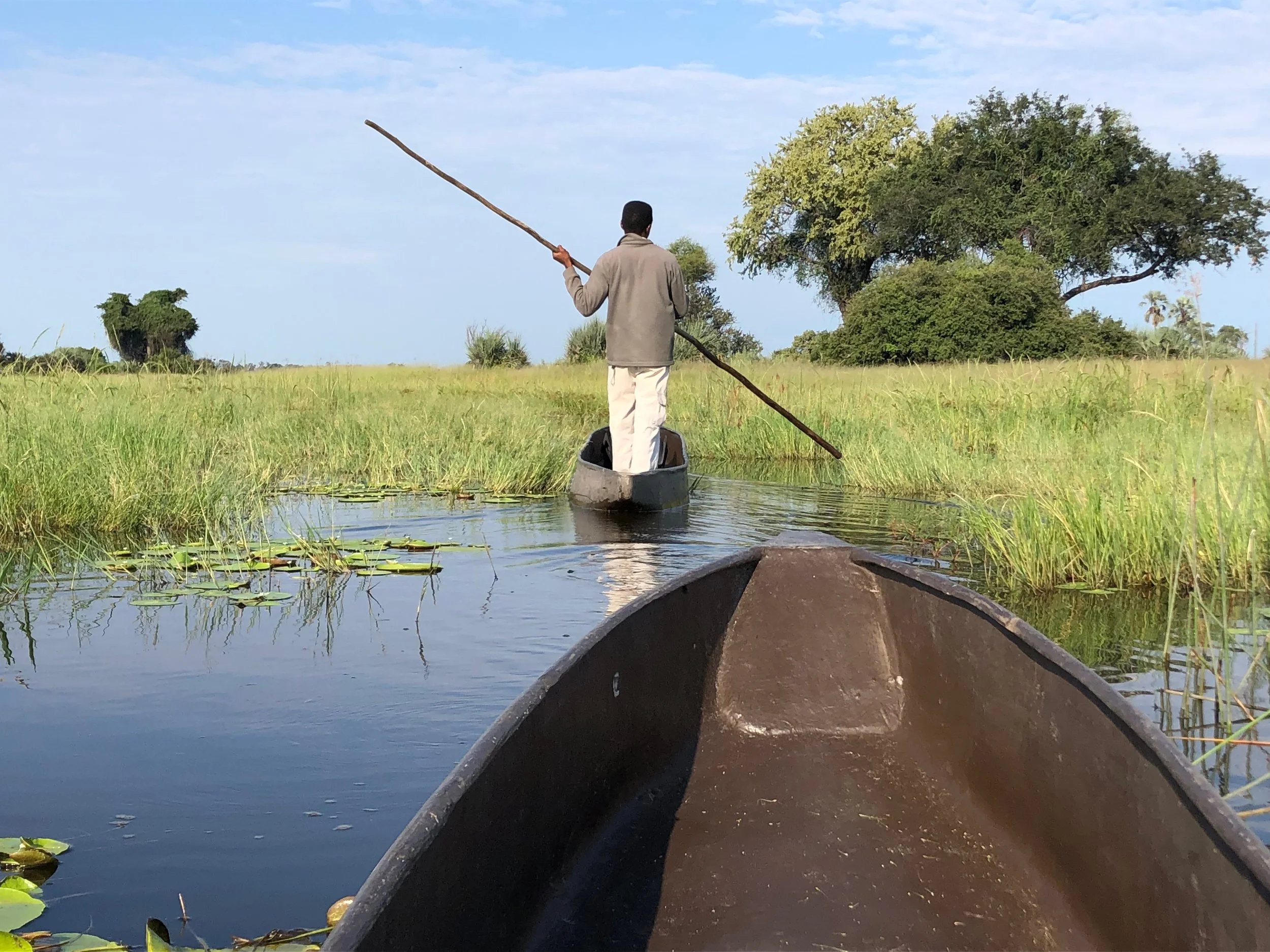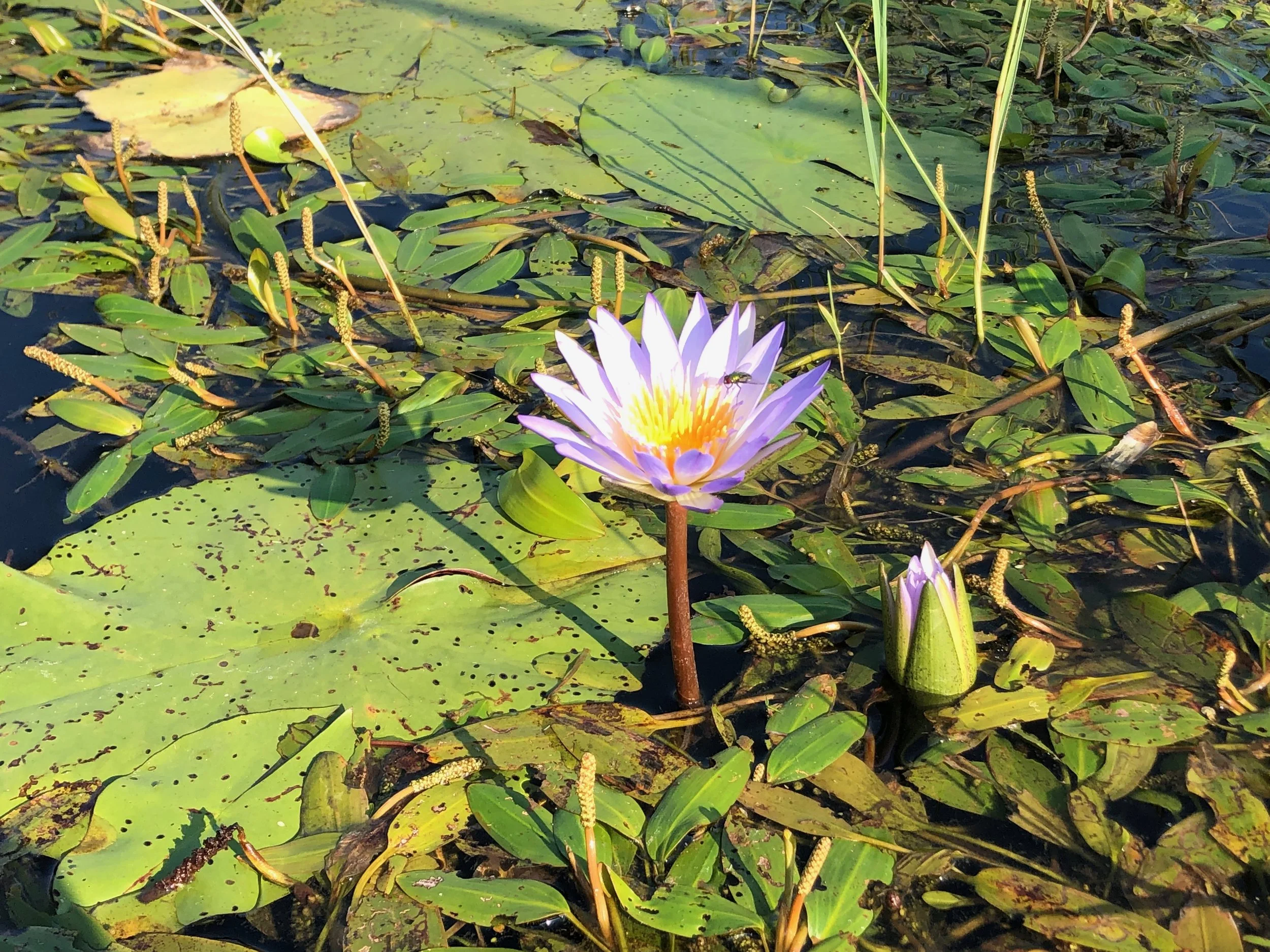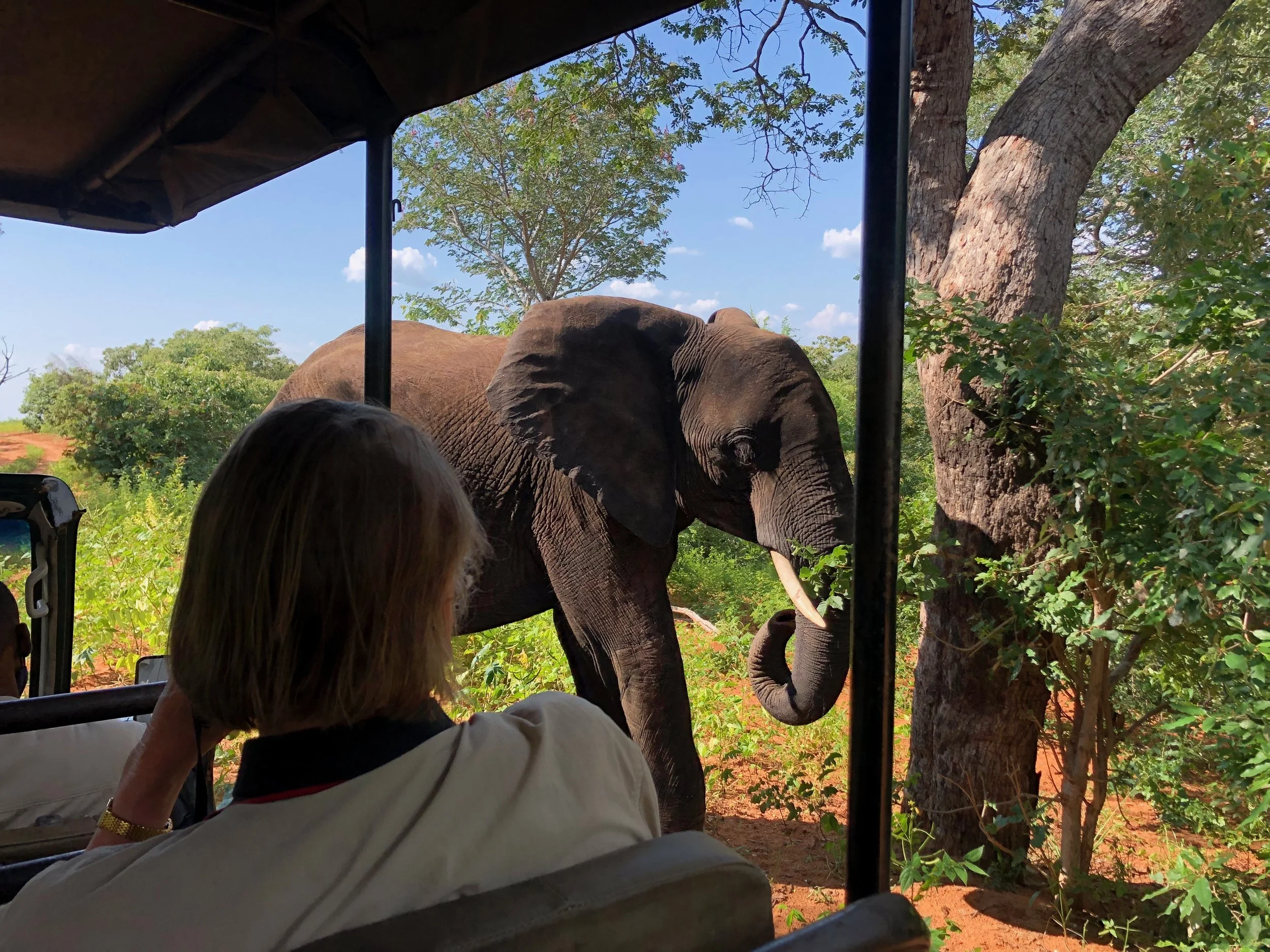
Magnificent Large Wildlife
The Quaking in My Chest
I was lying in a small cottage in Ndutu, completely spent after climbing Kilimanjaro and spending two weeks on safari. My friend and I were nursing a stubbed toe from dodging a determined bee earlier that afternoon, ready to call it a night.
Earlier that day, walking around camp, the conservationist in me had been taking notes. I noticed tire tracks cut into the dirt and the compacted soil, wondering if the land was getting worn down, loved to death as a favorite stop between Ngorongoro and Serengeti.
Then a lion roared right outside our door (it wasn’t… probably miles away).
The sound hit so hard it felt like the walls shook. I didn’t just hear it, I felt the vibration in my chest and bones. We stared at each other in the dark, snapped to attention, wide-eyed, goosebumps. OMG. You don’t forget that feeling. It’s primordial.
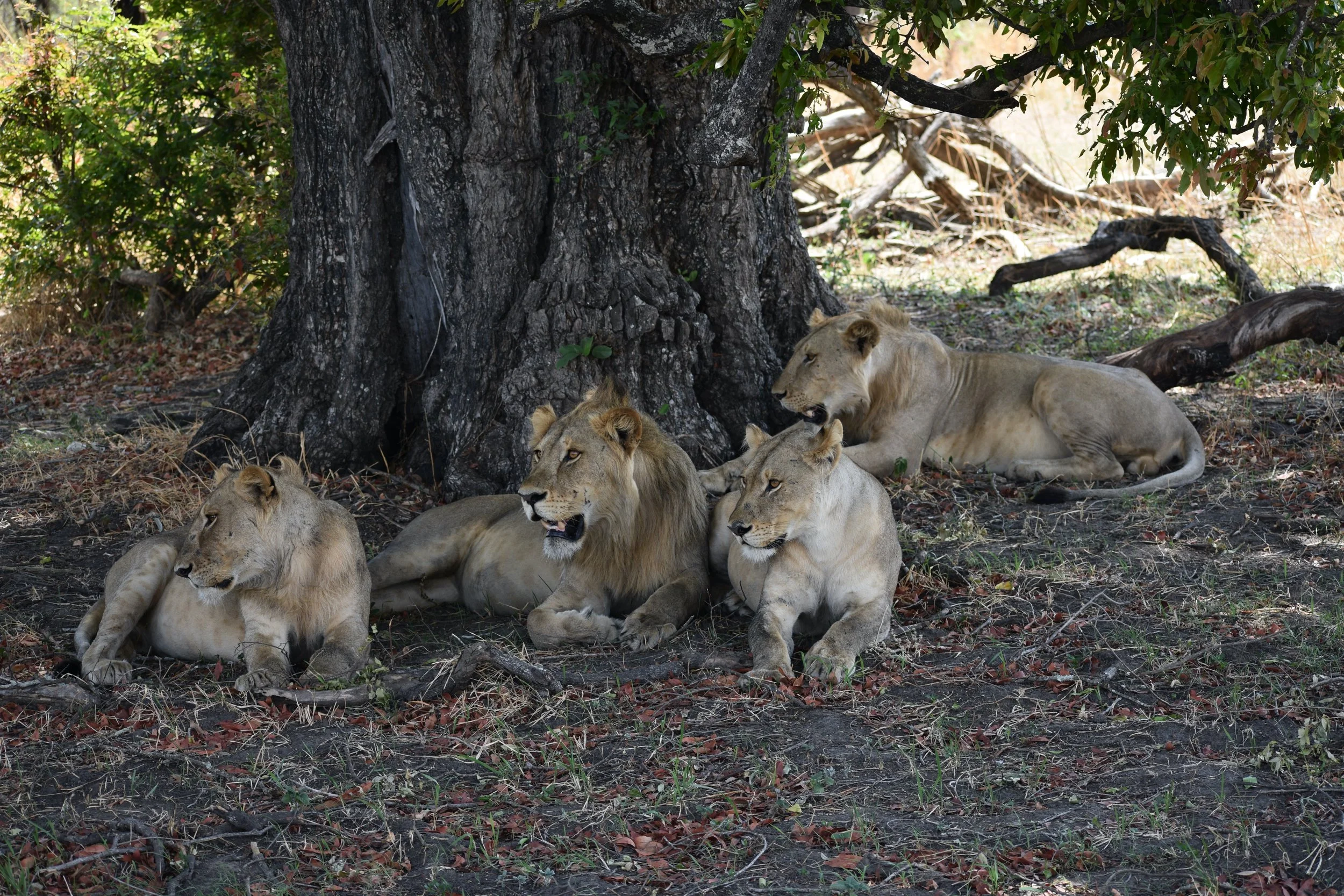
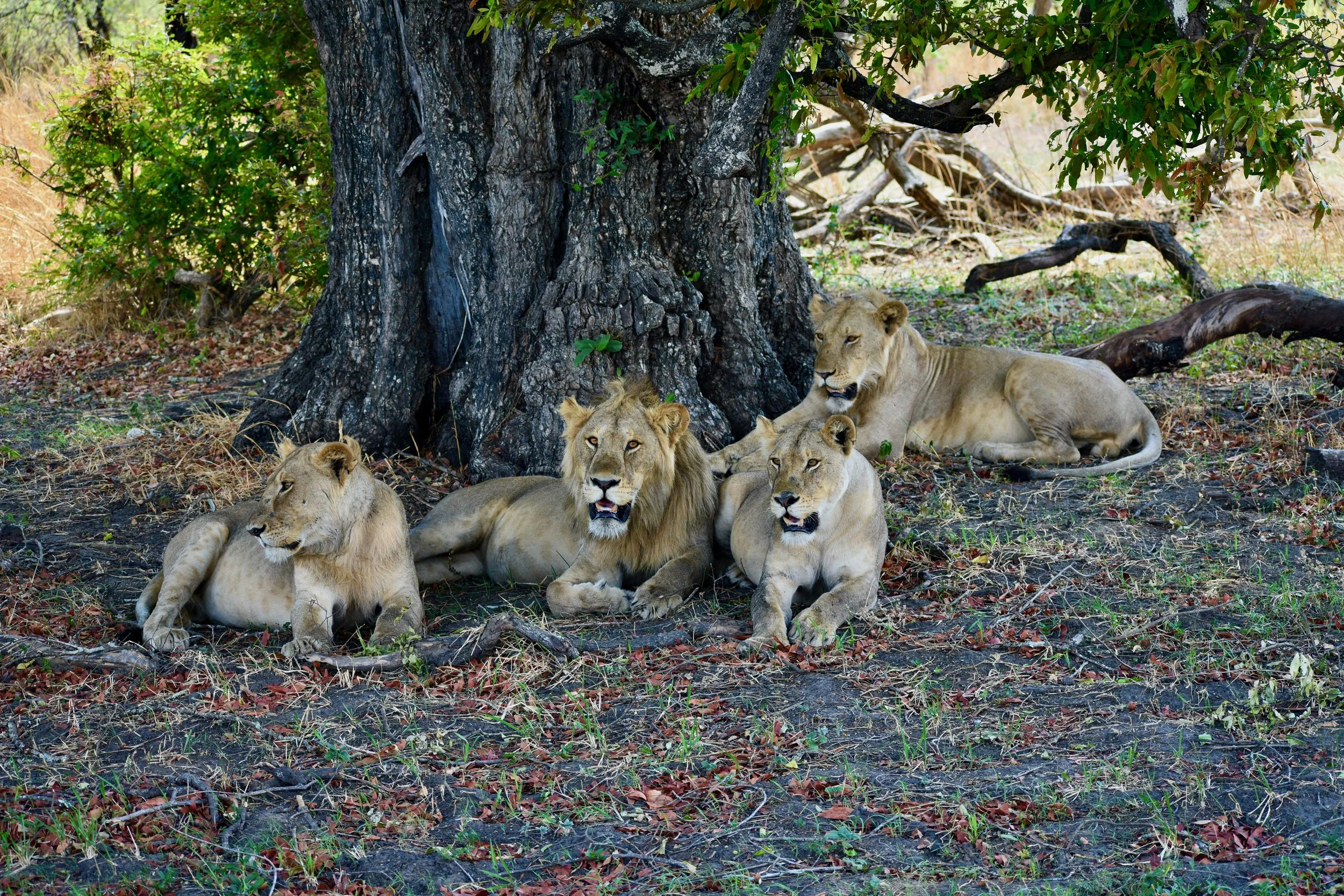
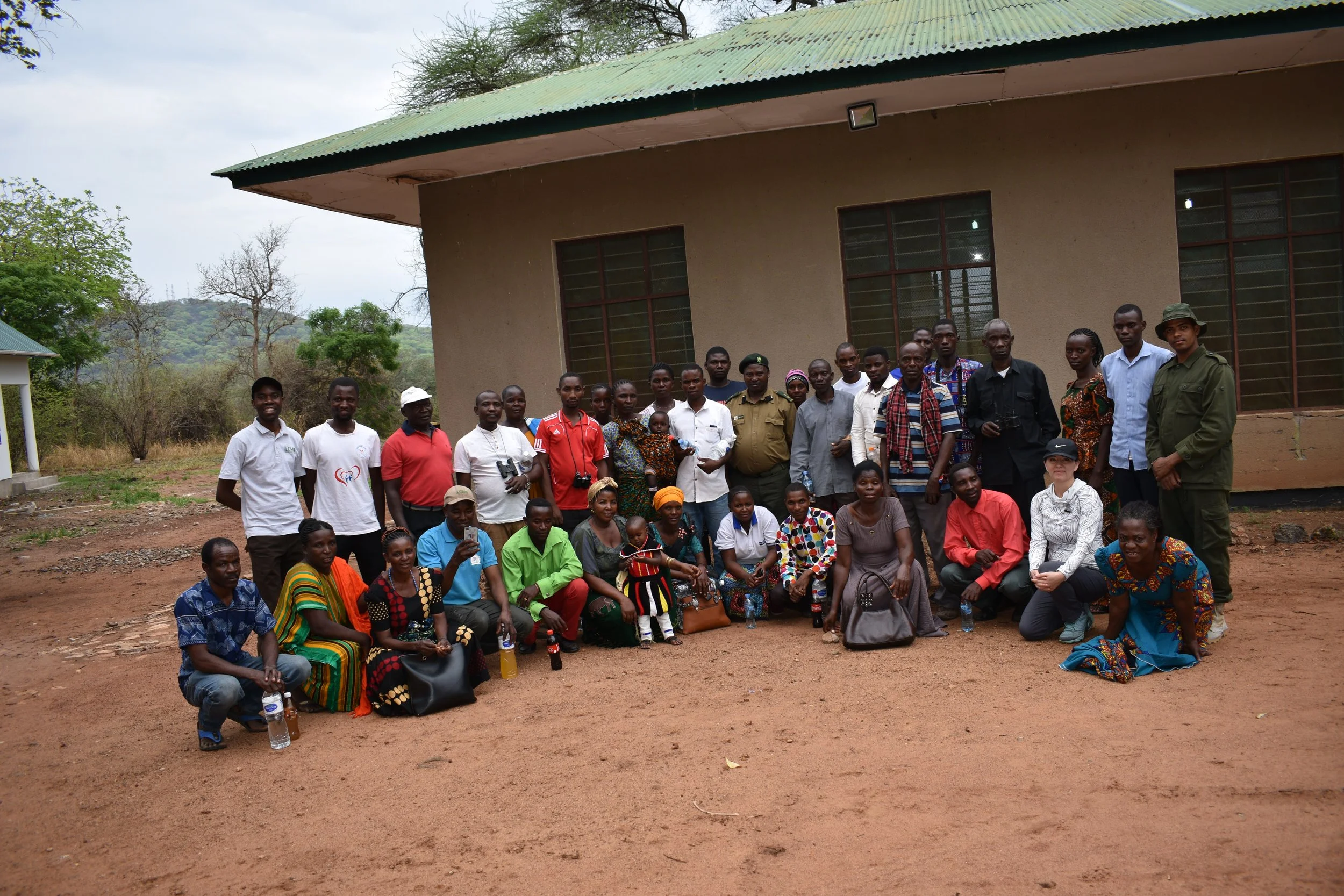
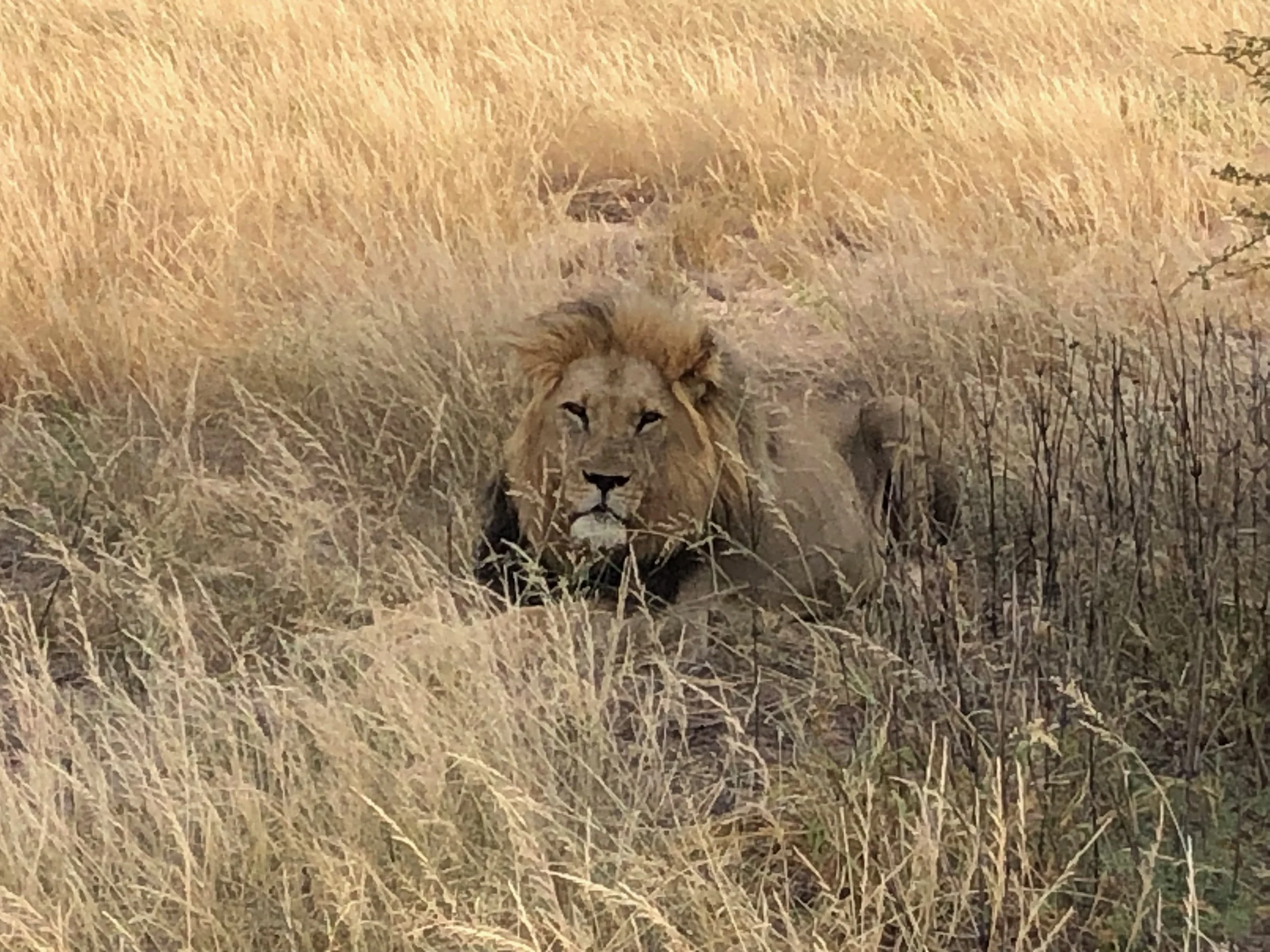
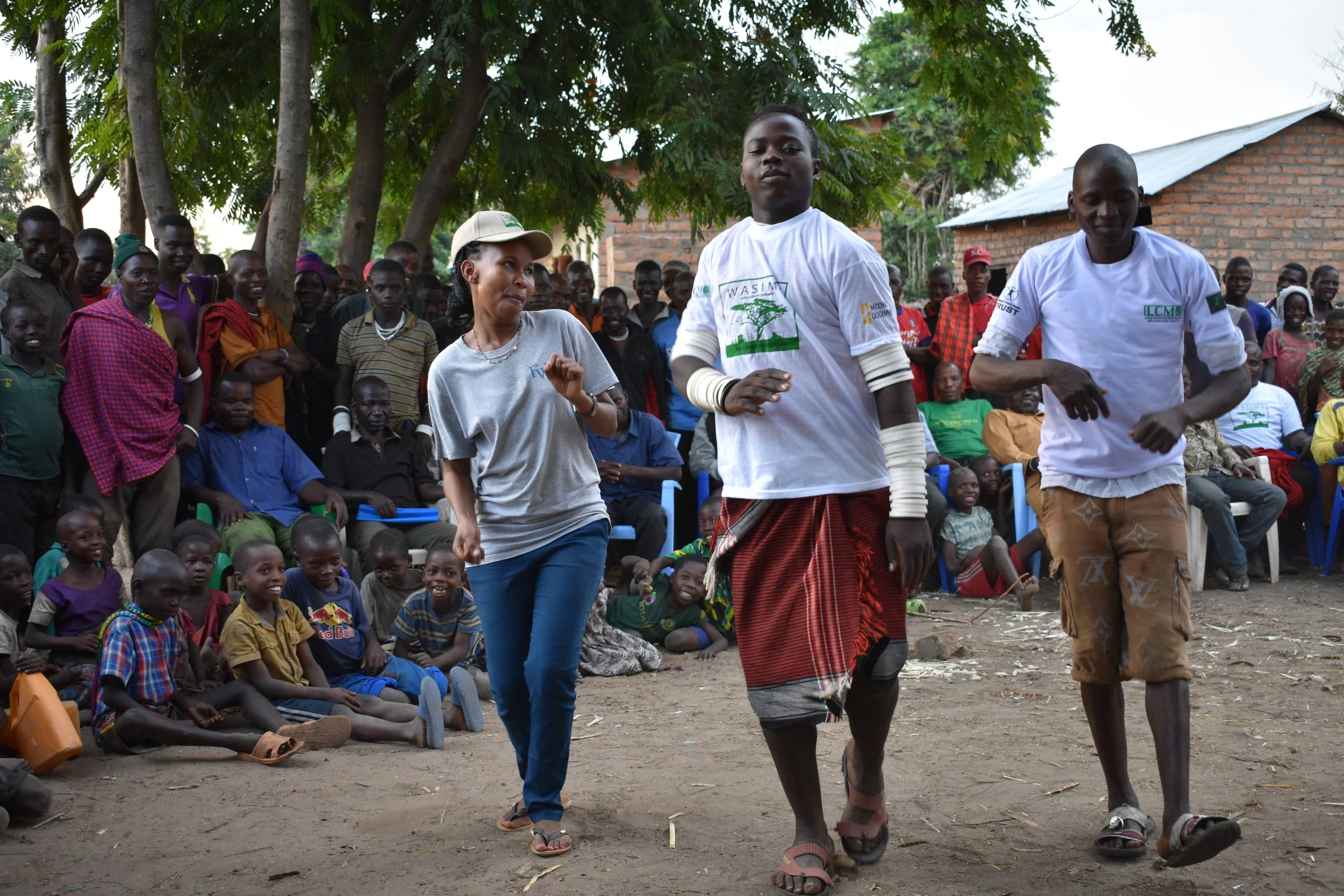
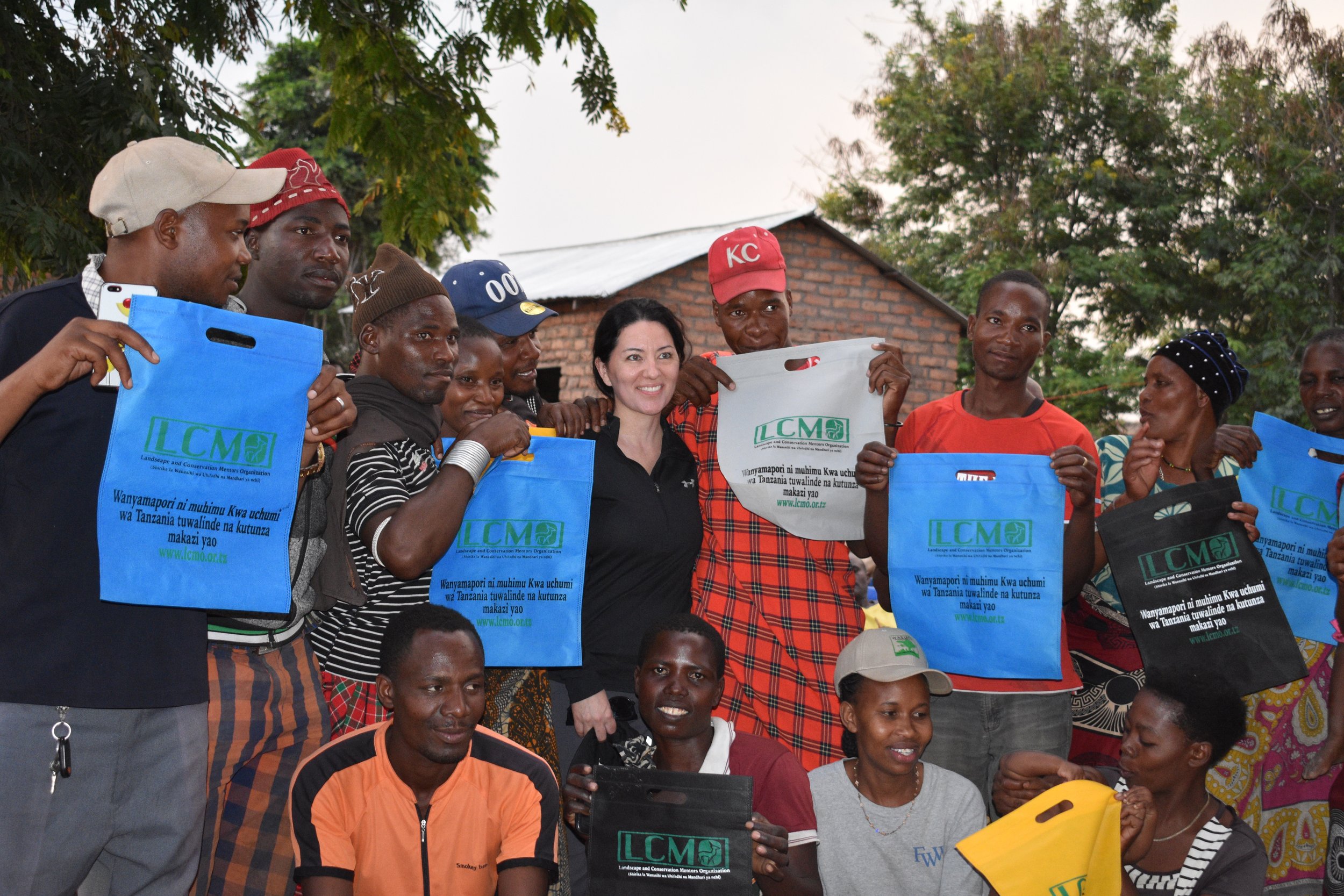
Later, during my time in western Tanzania, I volunteered with WASIMA, an organization working with local communities to reduce human-lion conflict, (now referred to globally as human-wildlife coexistence). Driving through Katavi National Park, our guide pointed out that the local lions have noticeably shorter manes, probably an adaptation to the region’s intense heat and dense thorn bush country. It was interesting to contemplate how wildlife evolves to suit its environment. I would have guessed their manes grew shorter through trophy hunters selecting lions with big manes and it being evolved out of them. But I later read that the same lion could be moved to a colder and different climate and their mane will grow in nice and full. So that “shot” that theory.
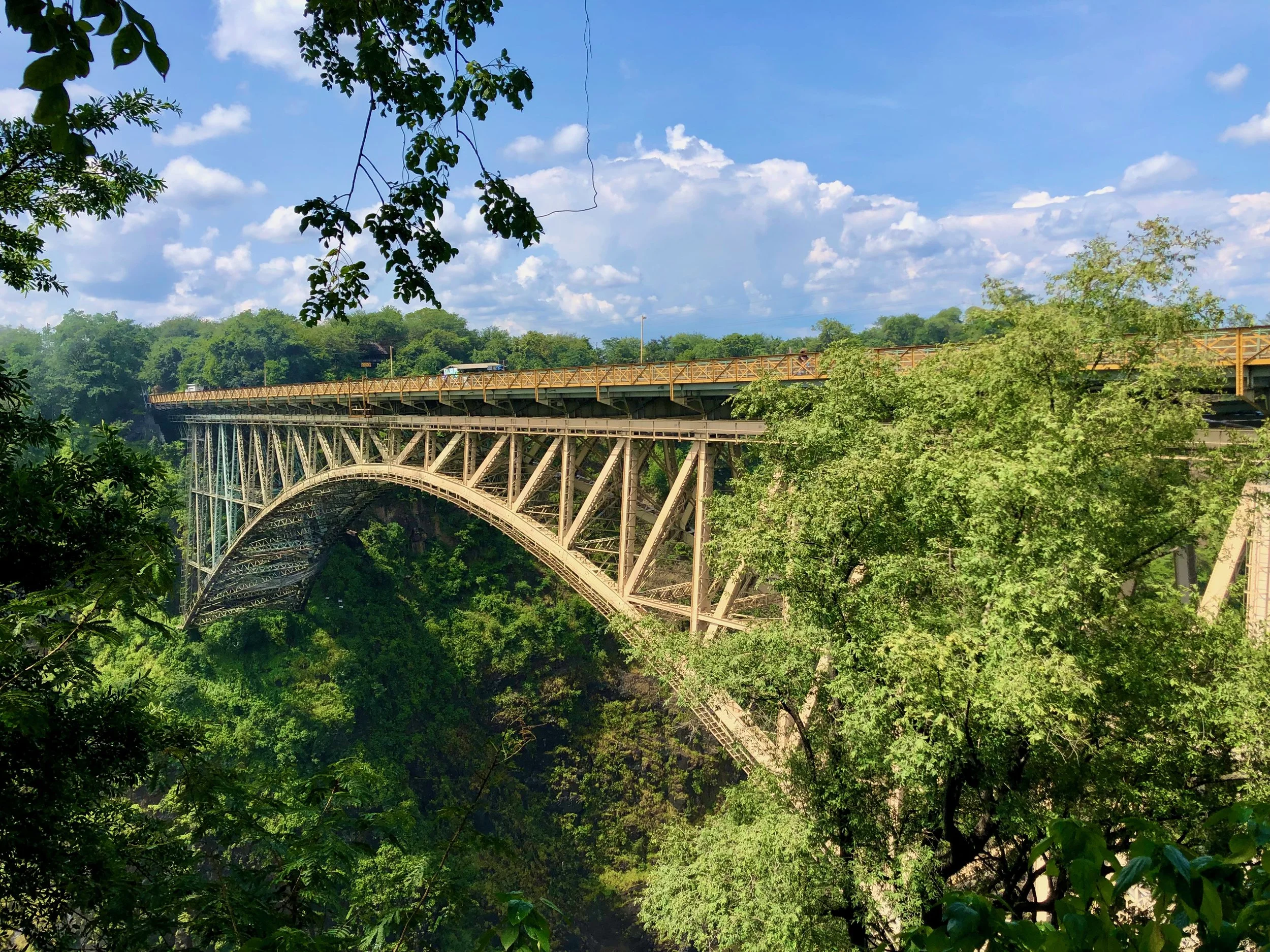
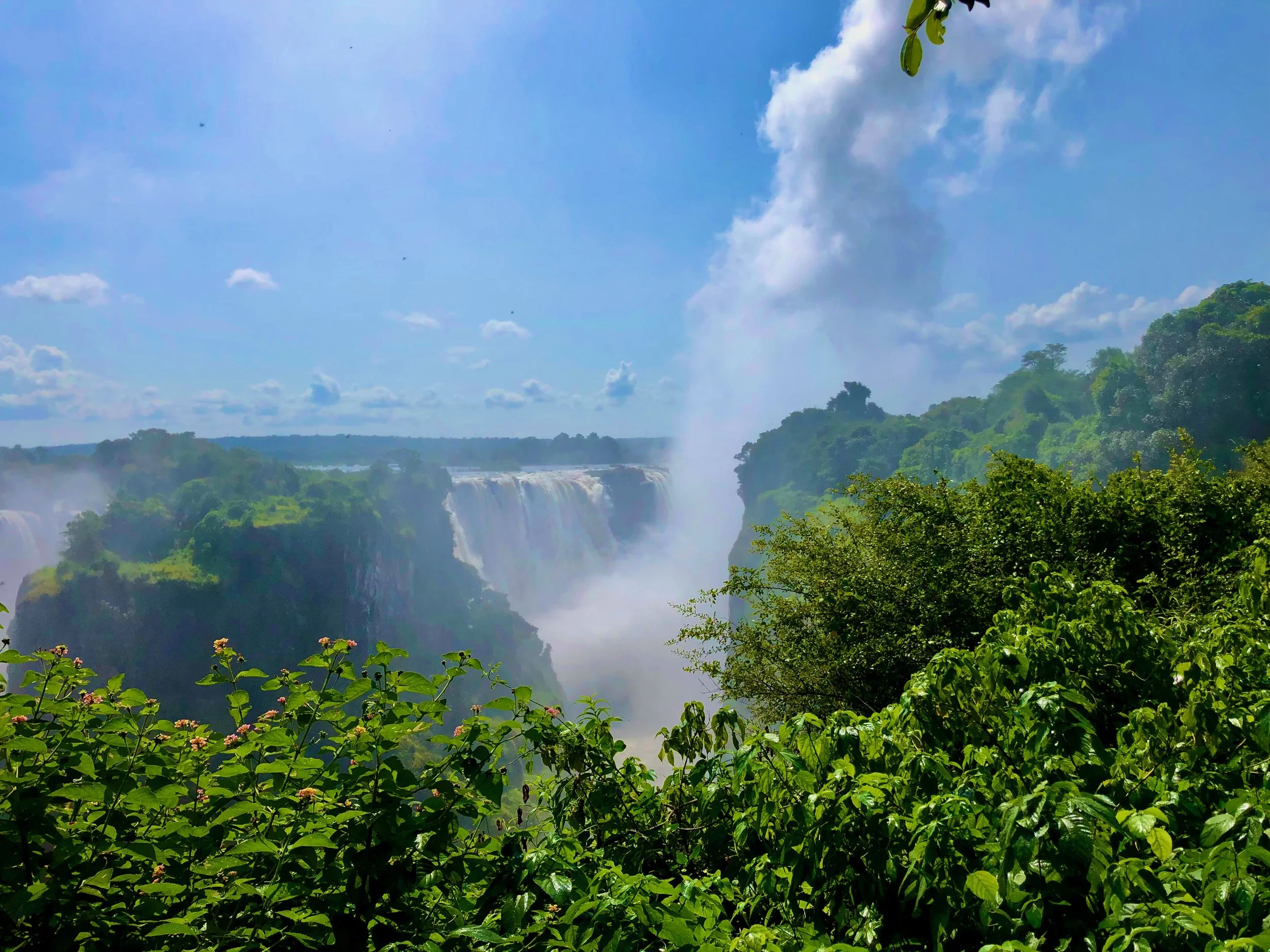
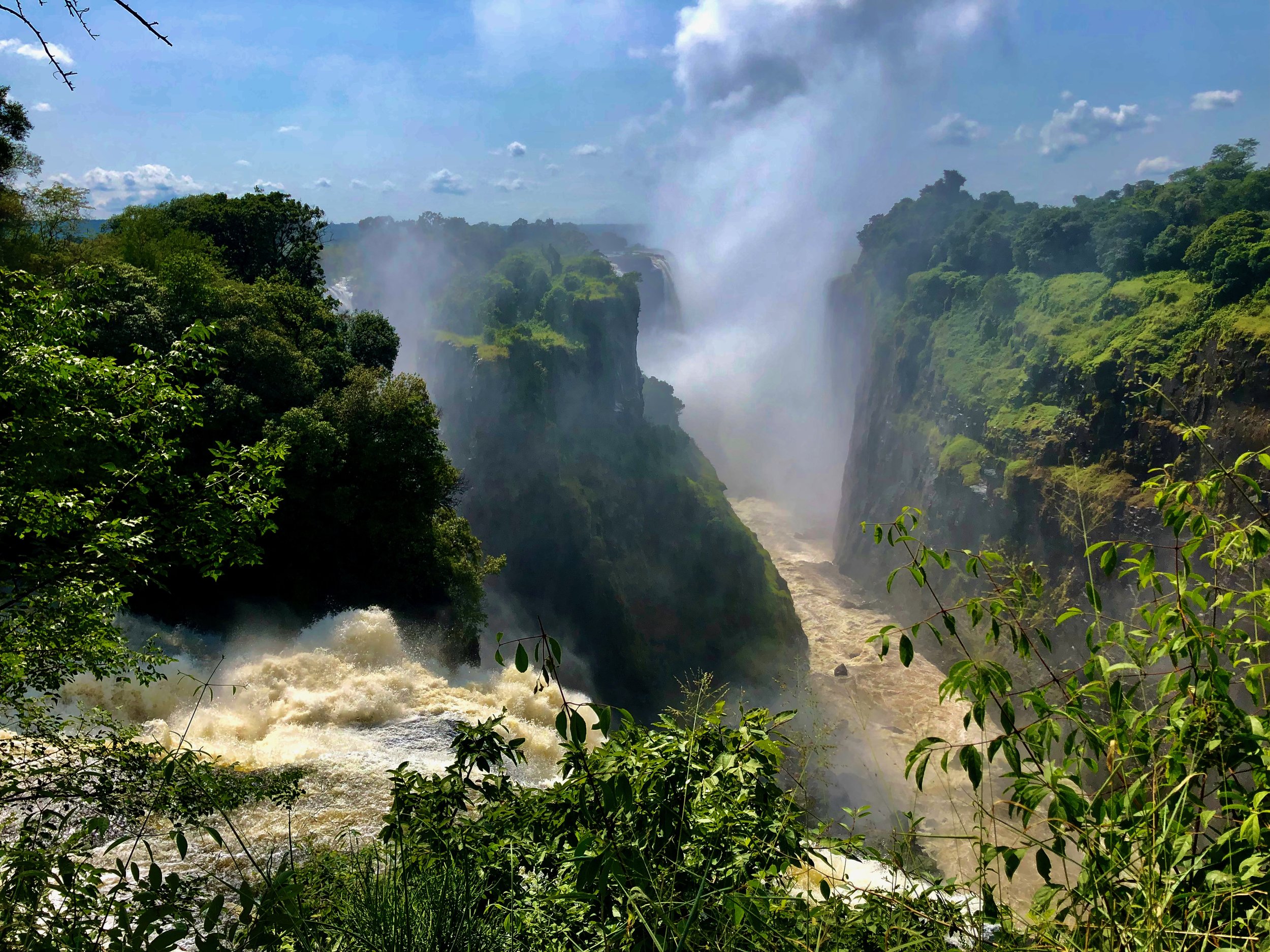
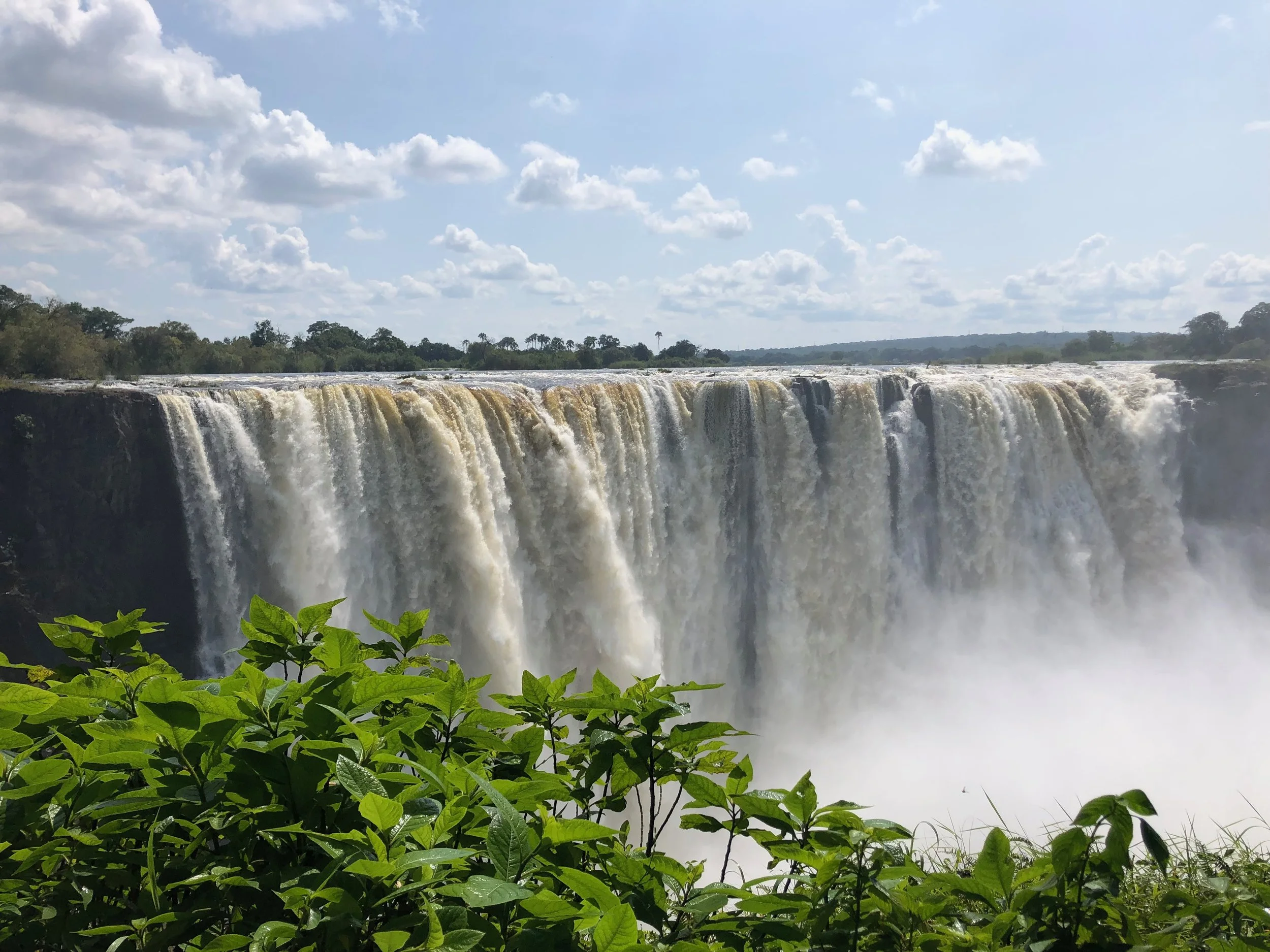
Further south along the Zambezi River, groups like the Victoria Falls Wildlife Trust are tackling protection from another angle, using DNA fingerprinting to prosecute lion poachers. I got to tour their laboratory during a visit while staying at nearby Elephant Camp, where from my bathtub, I could hear and see the smoke that thunders, Victoria Falls. While here on a coffee table, I discovered the art of Nicole Sanderson, a prominent Zimbabwean oil painter, known for her wildlife and bird artwork. Gorgeous and very specific to this landscape!
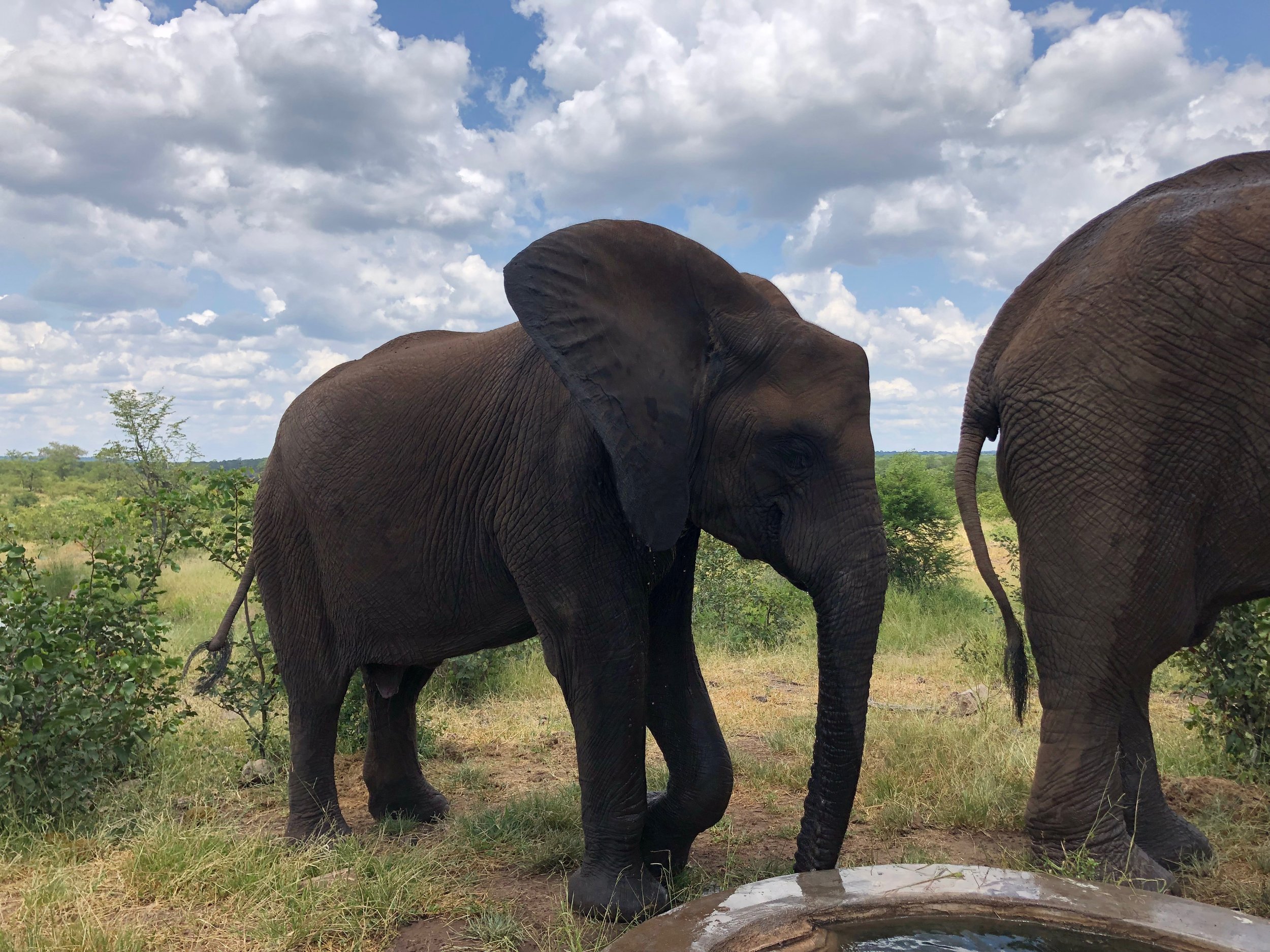
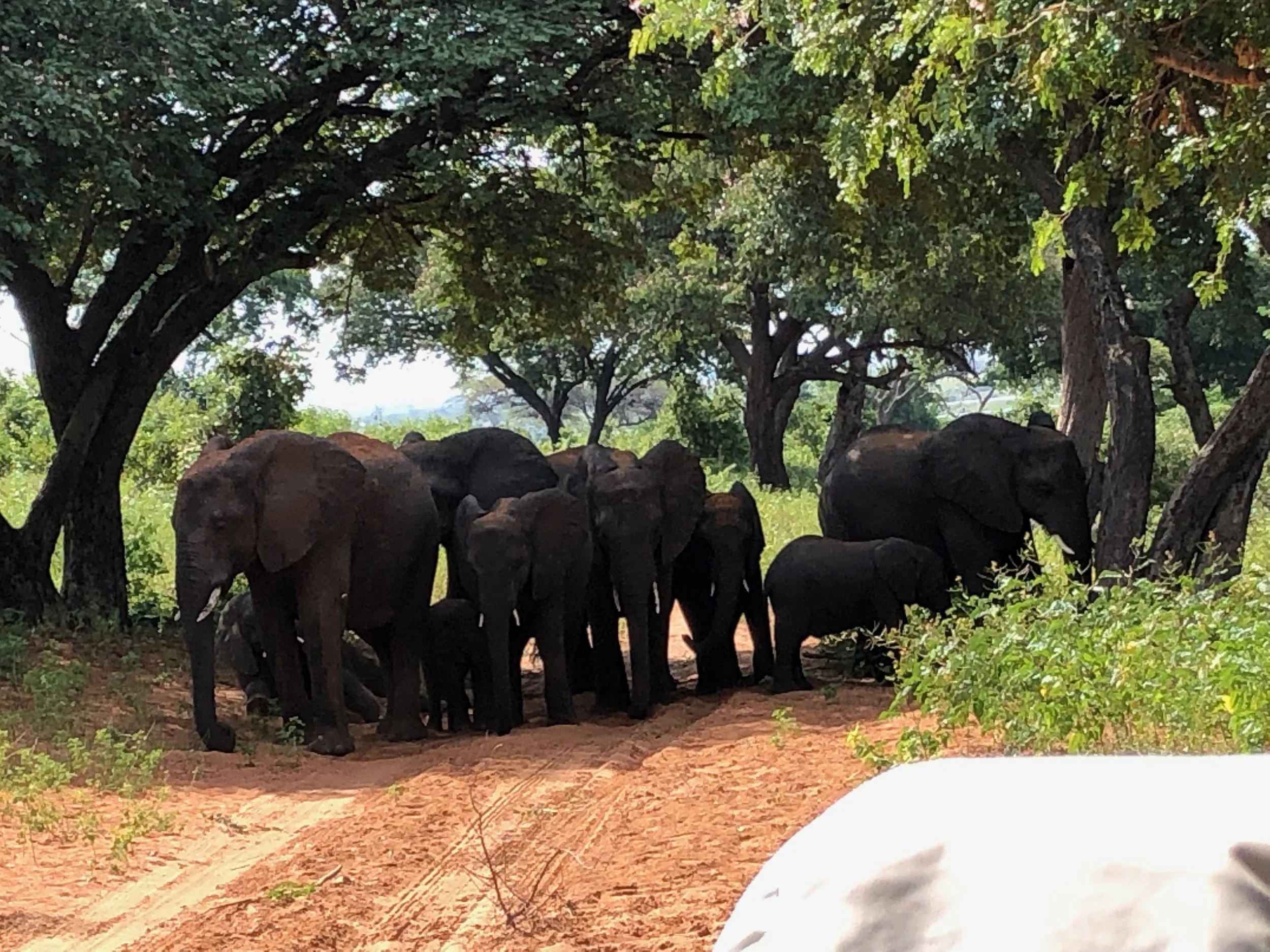
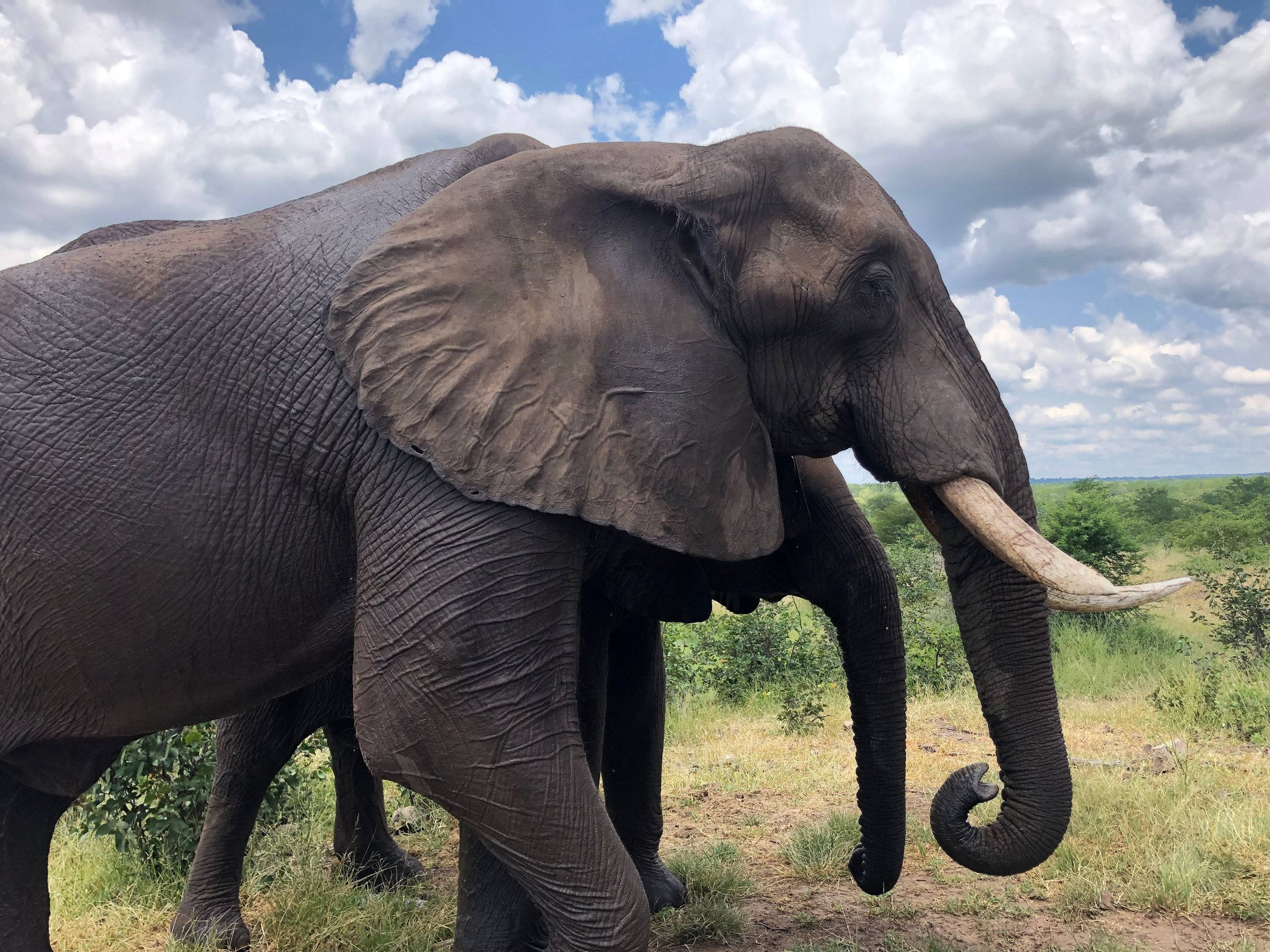
Traveling through Kenya, Tanzania, Botswana, Zimbabwe, and Rwanda shows you that conservation only works when local communities benefit too. I love Africa with caution and wisdom from having been there, and nothing beats knowing these giant strong and wild creatures are still out there roaming free.