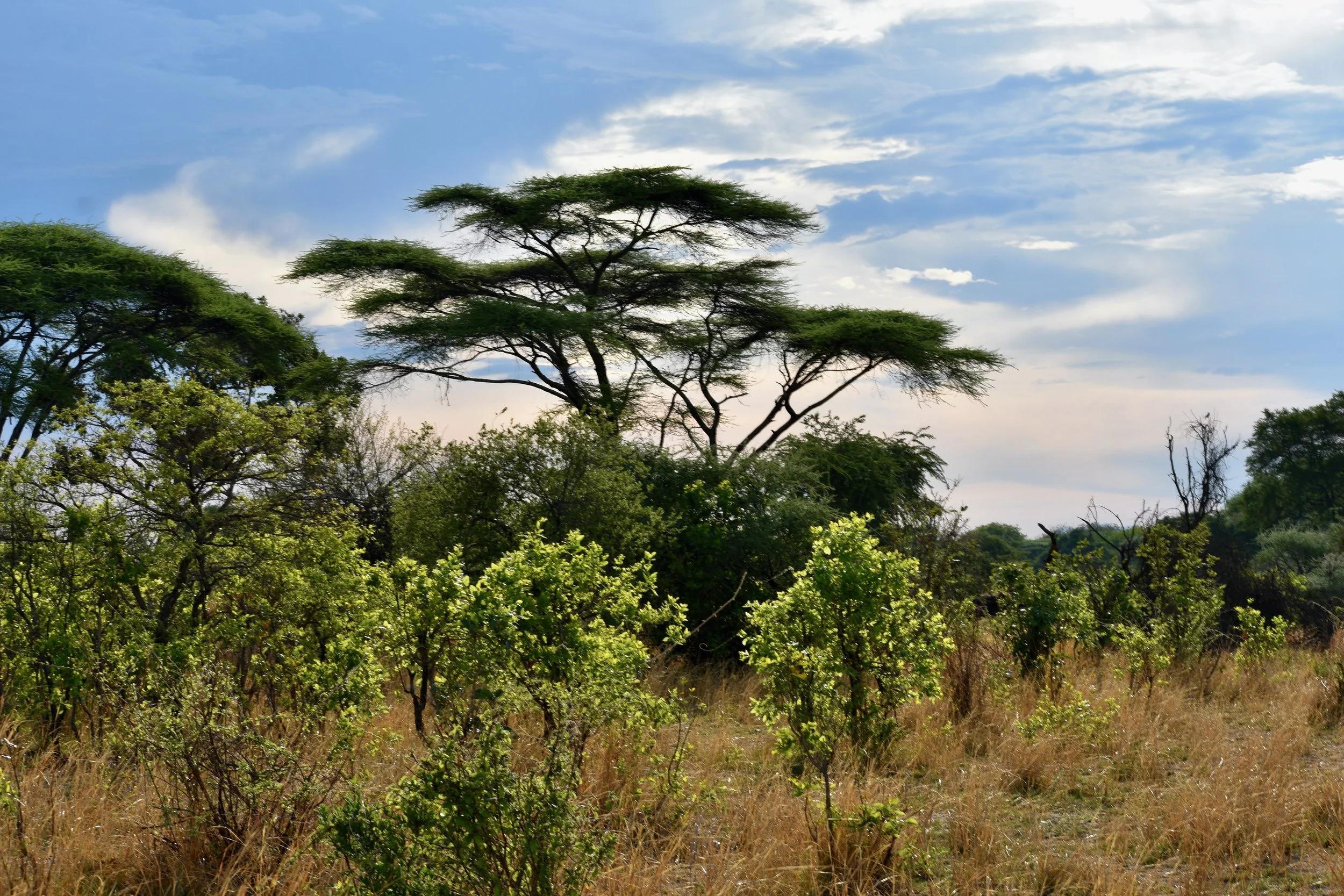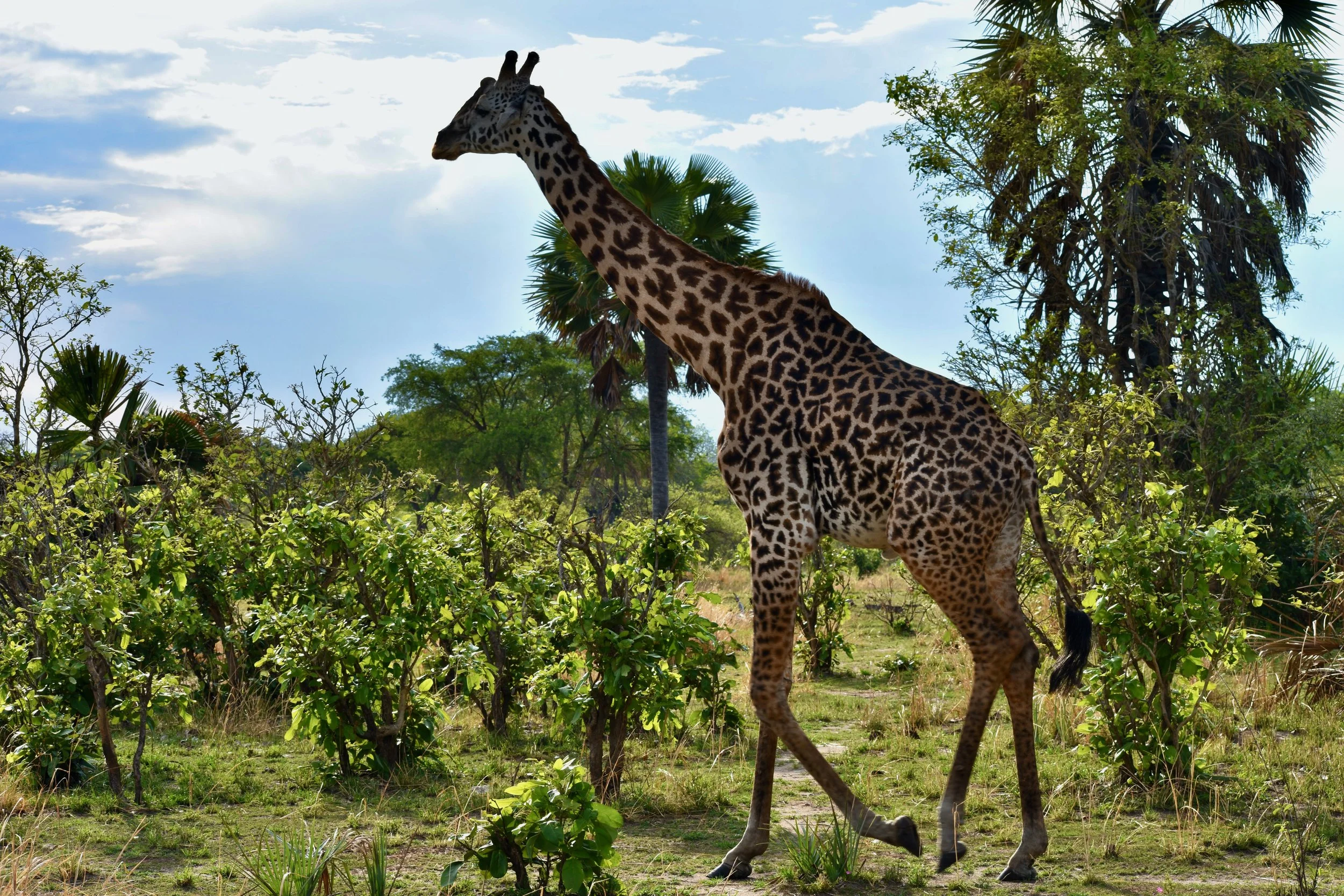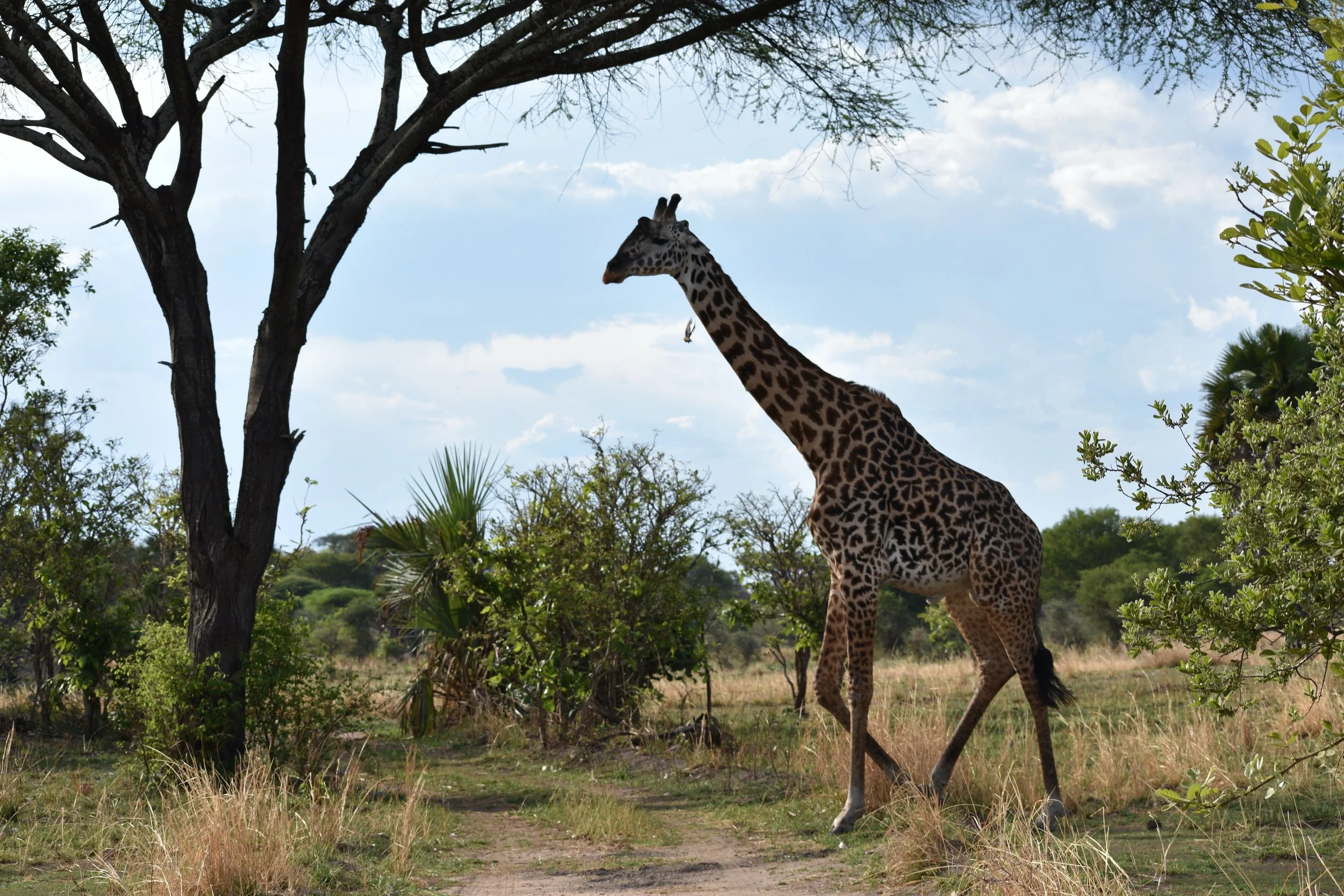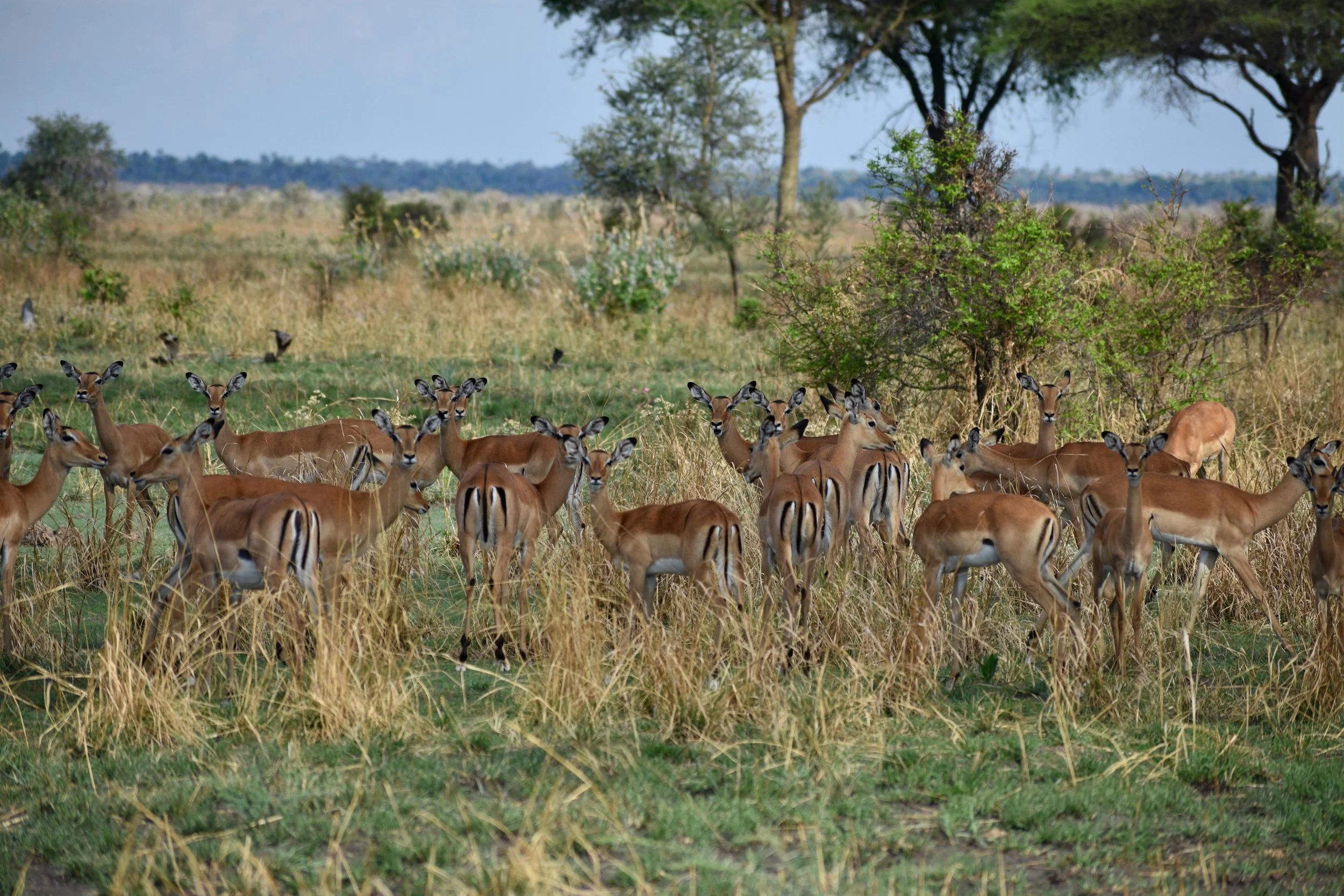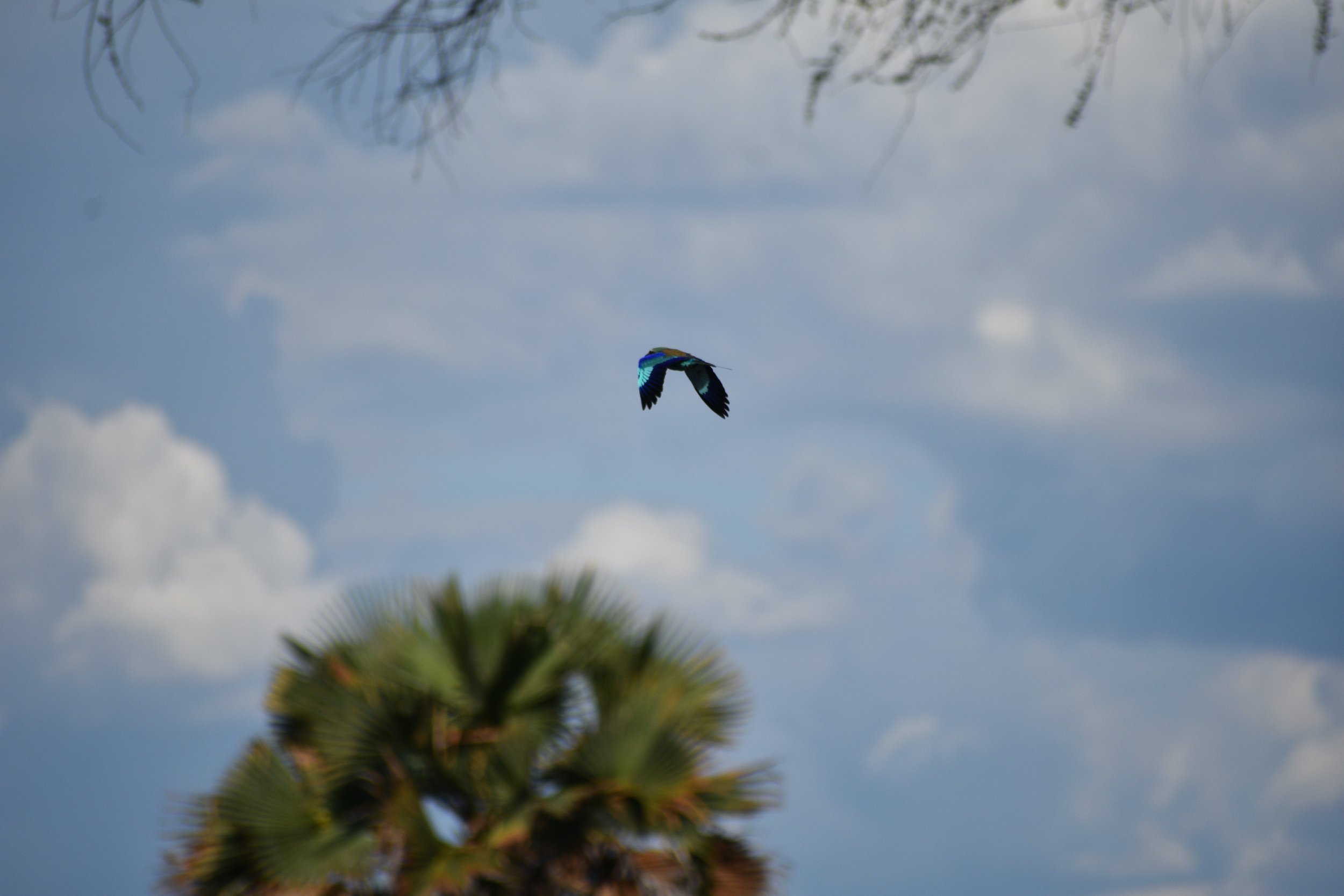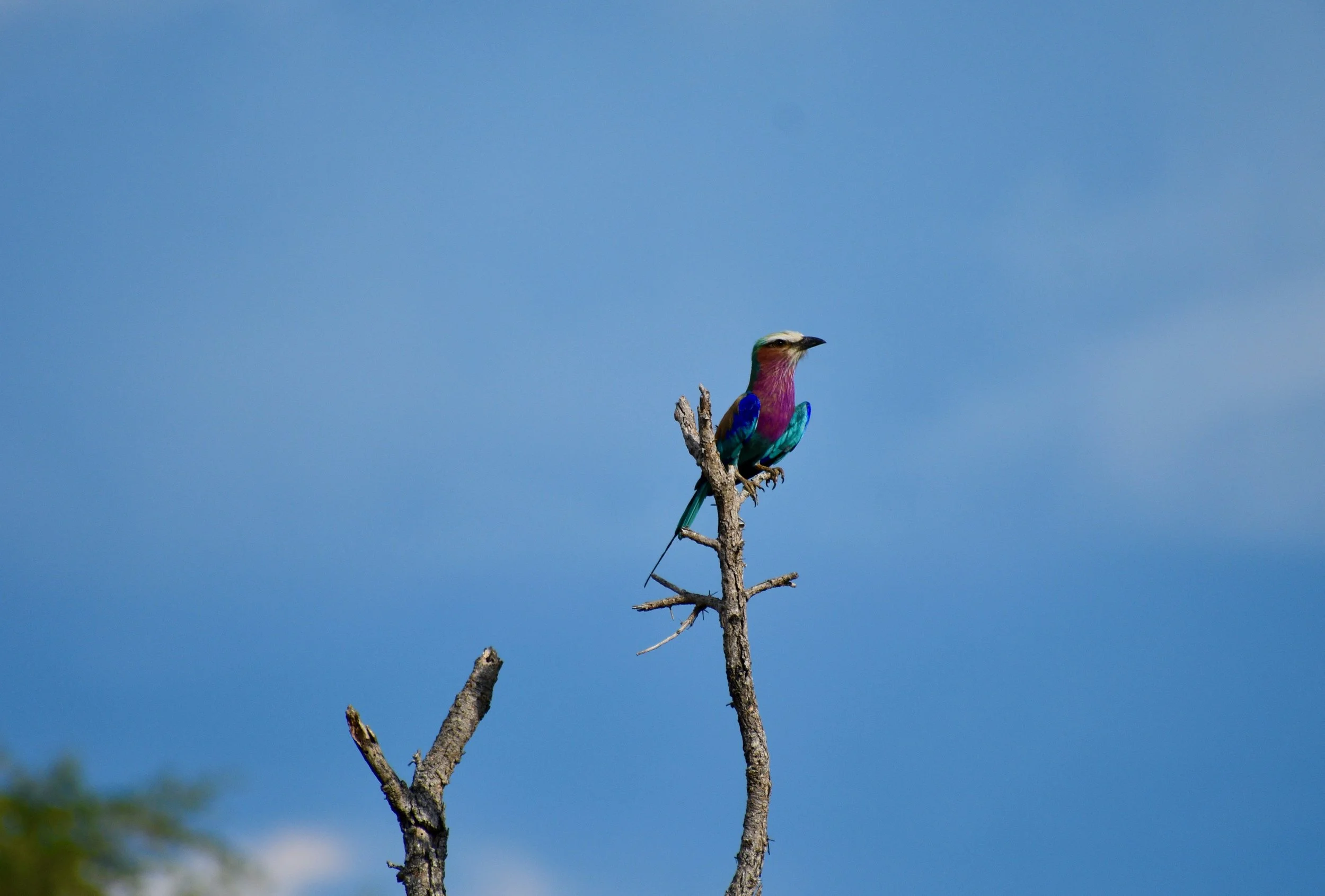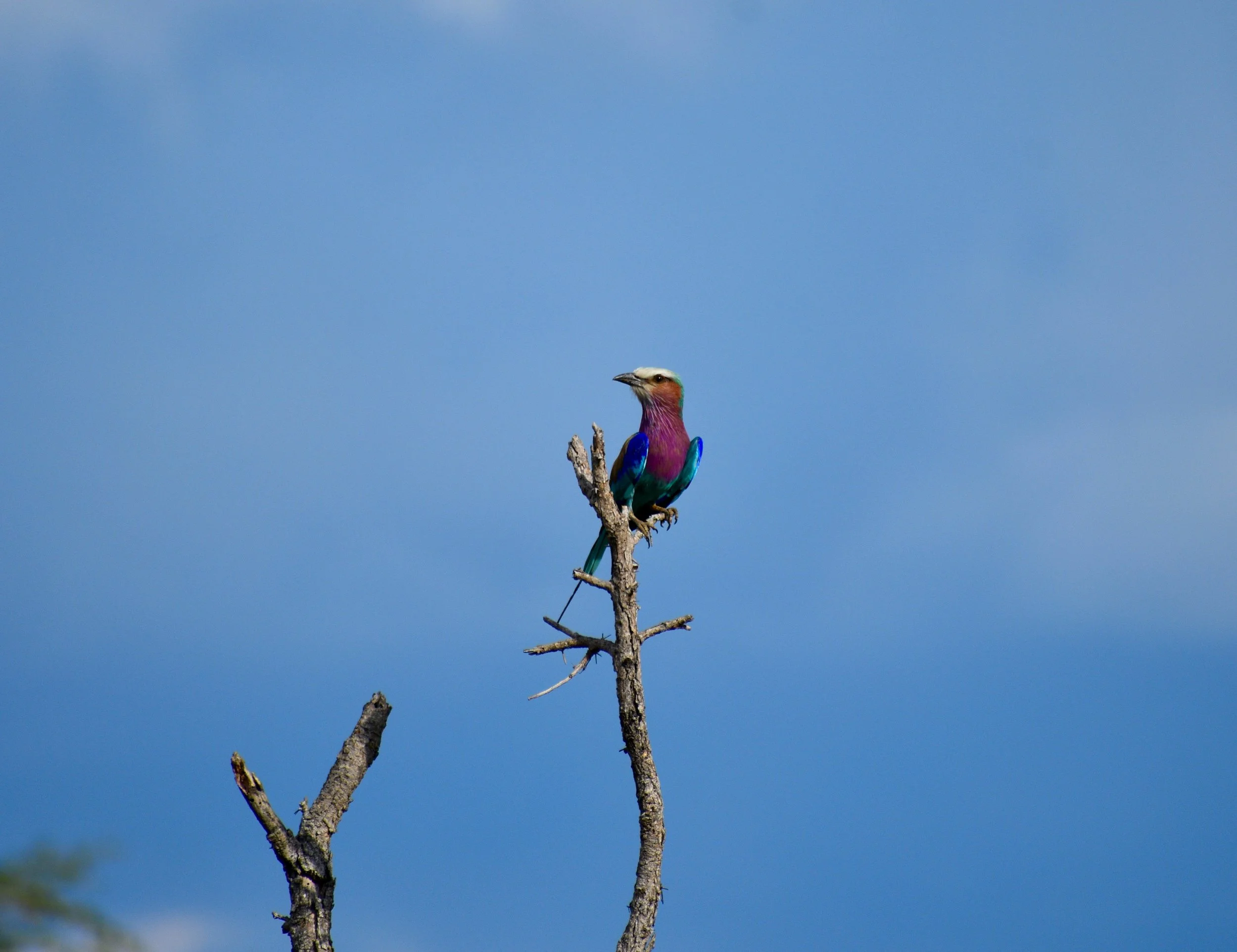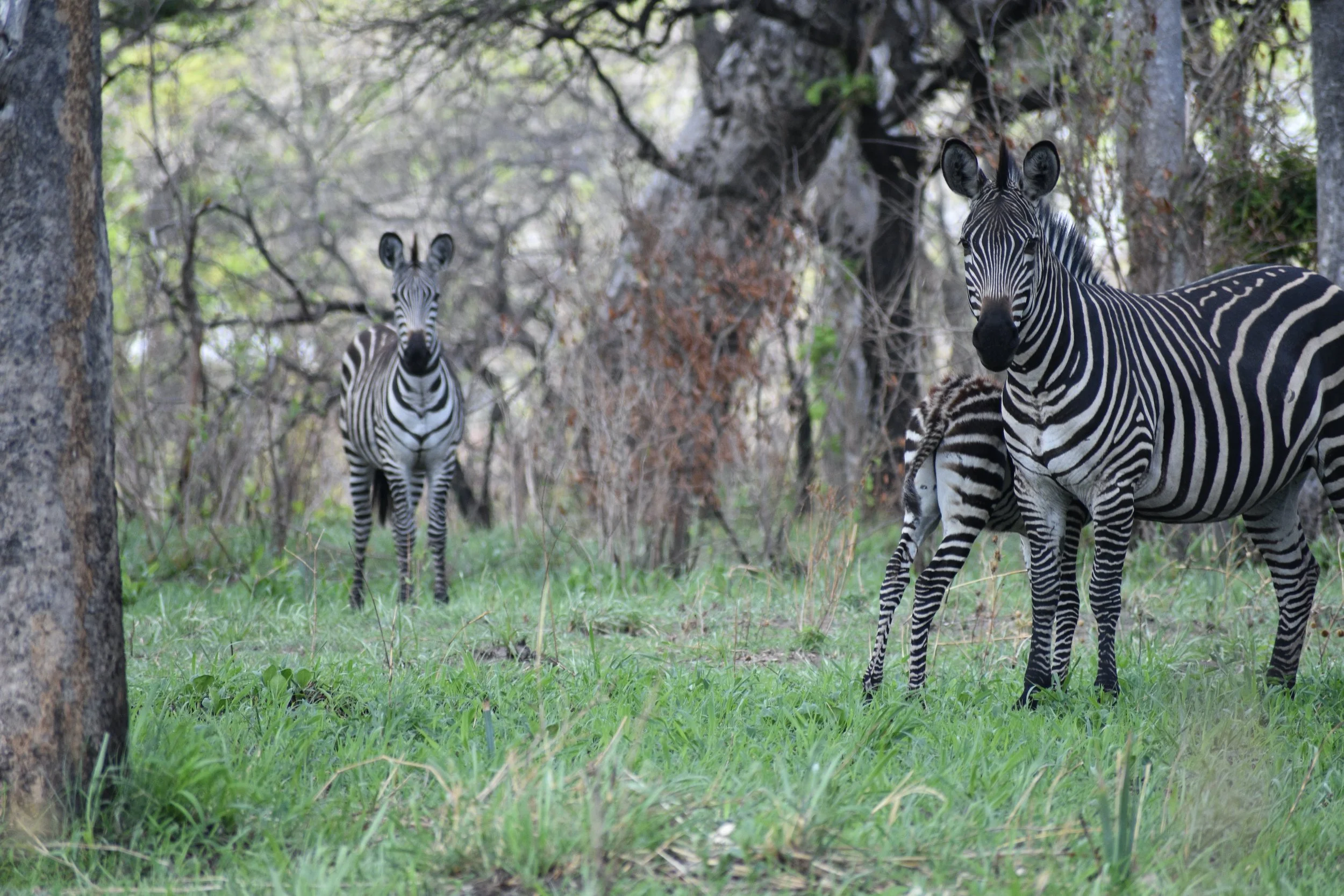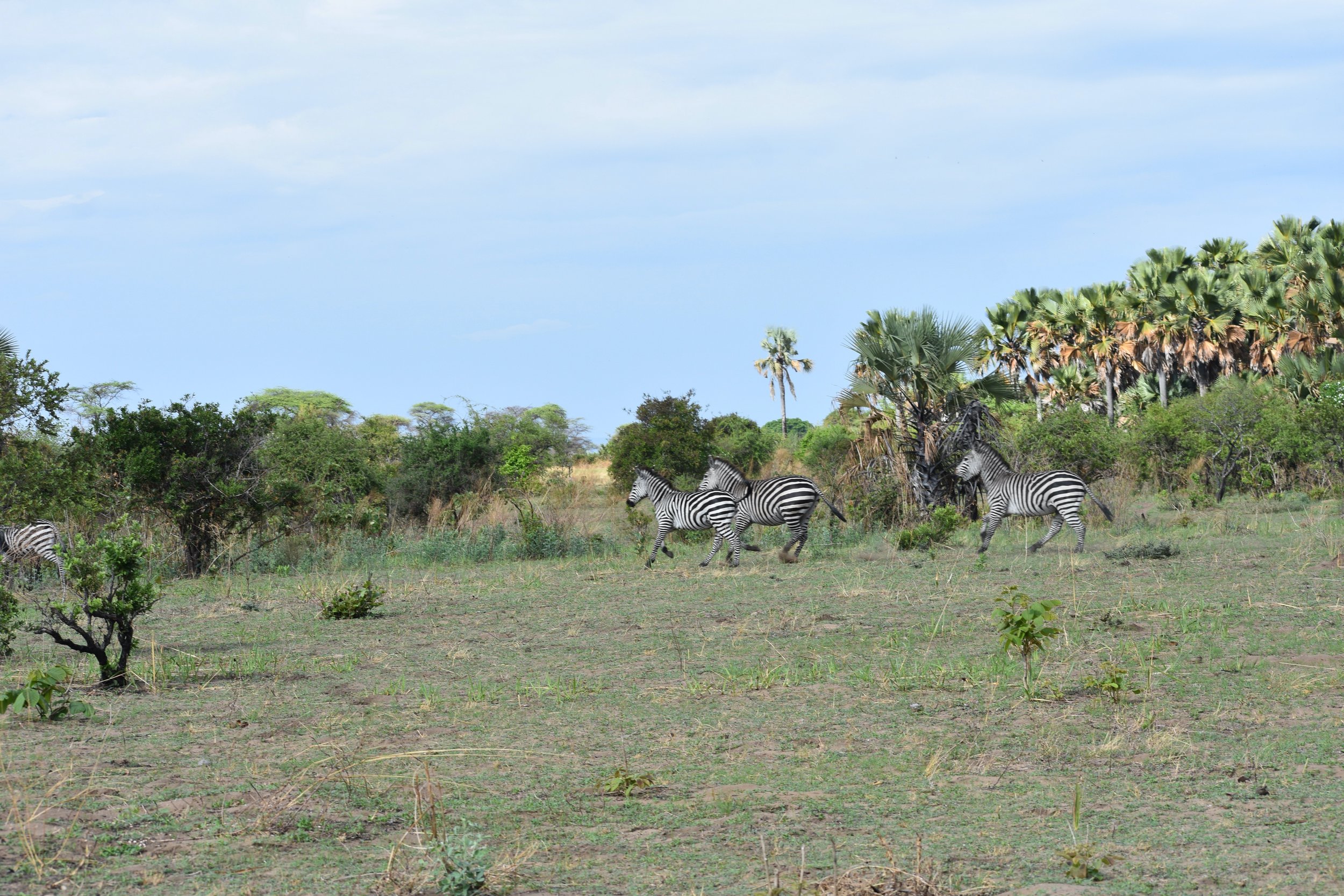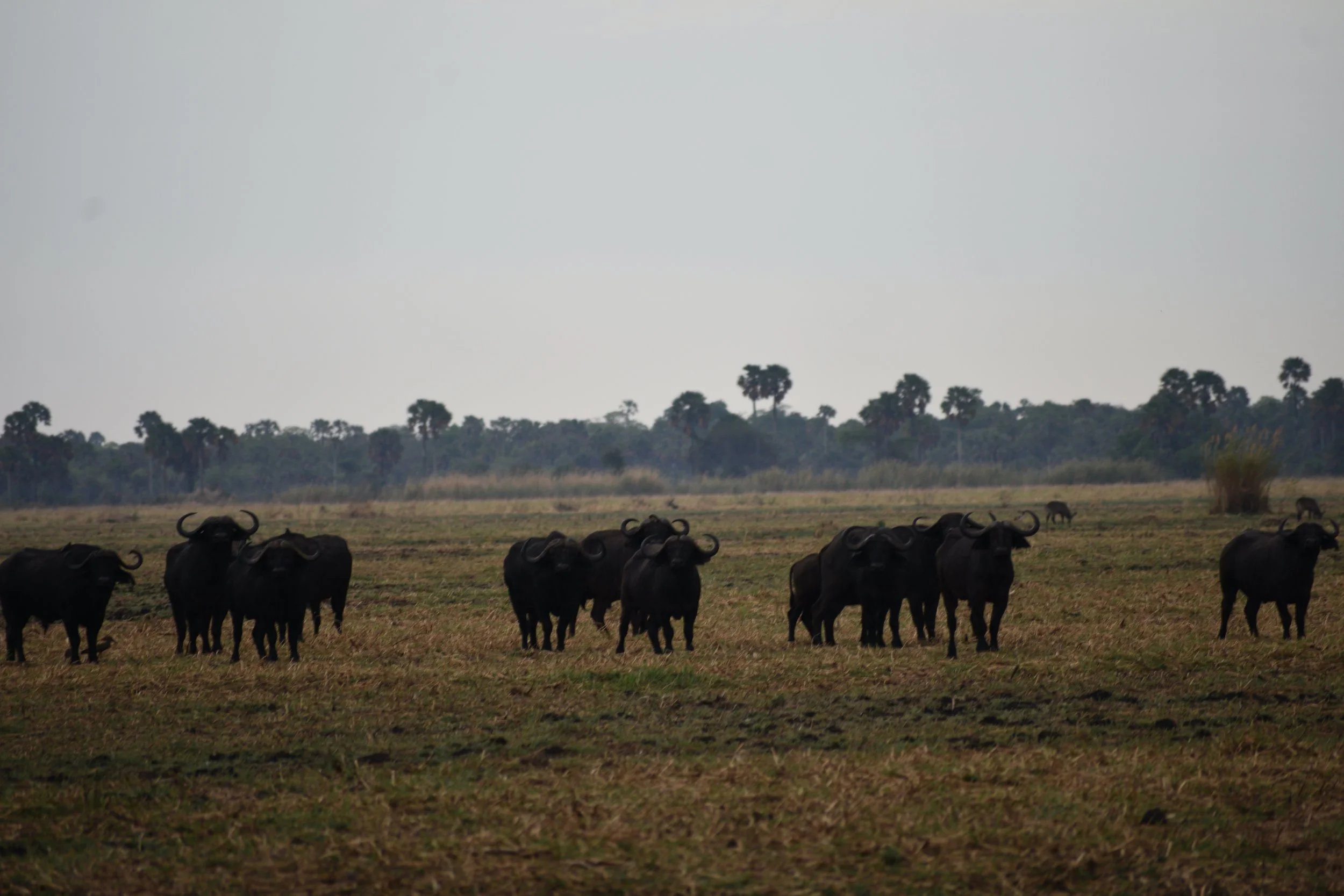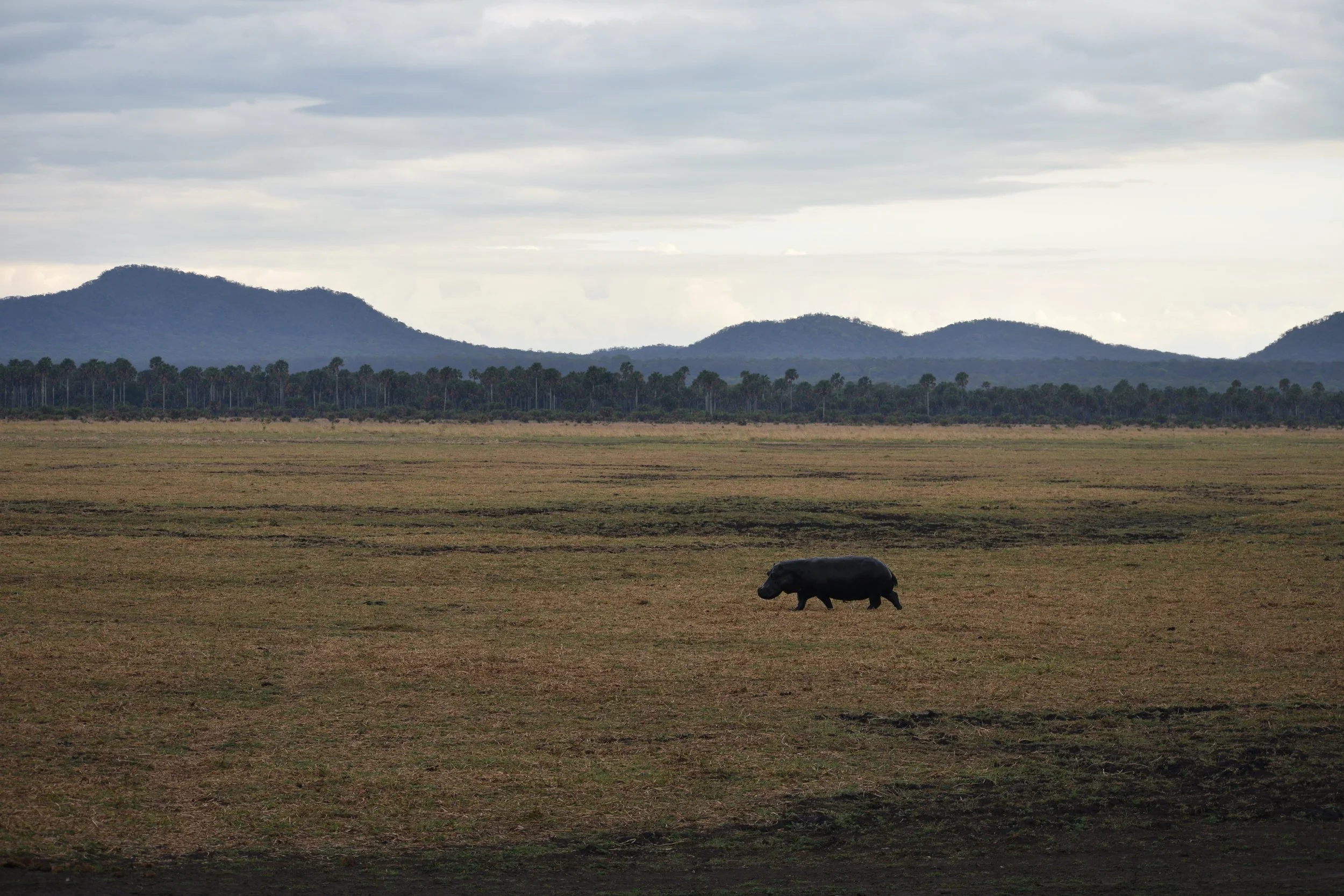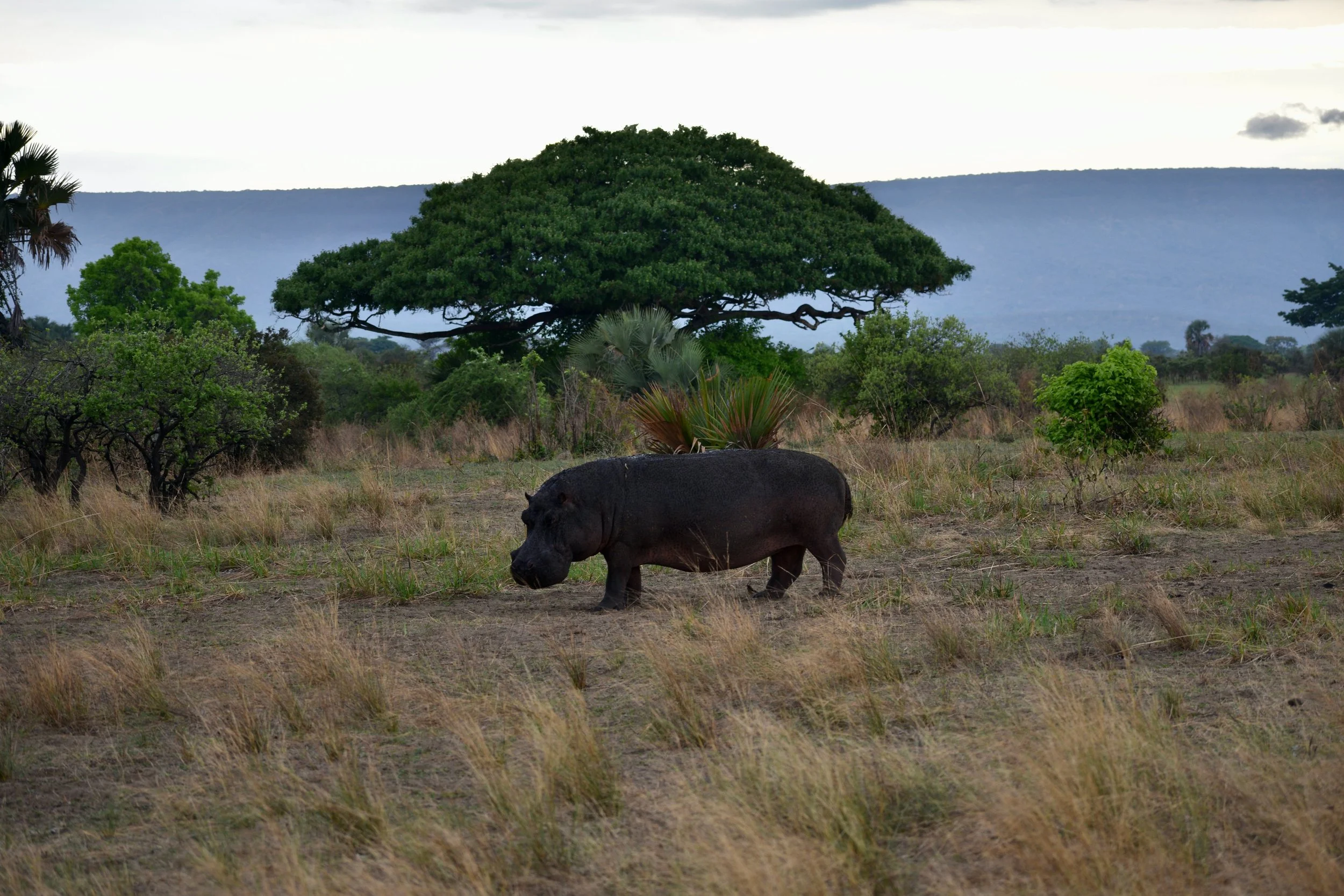
Magnificent Large Wildlife
A Wild Heart: Experiencing Africa’s Wildlife Up Close
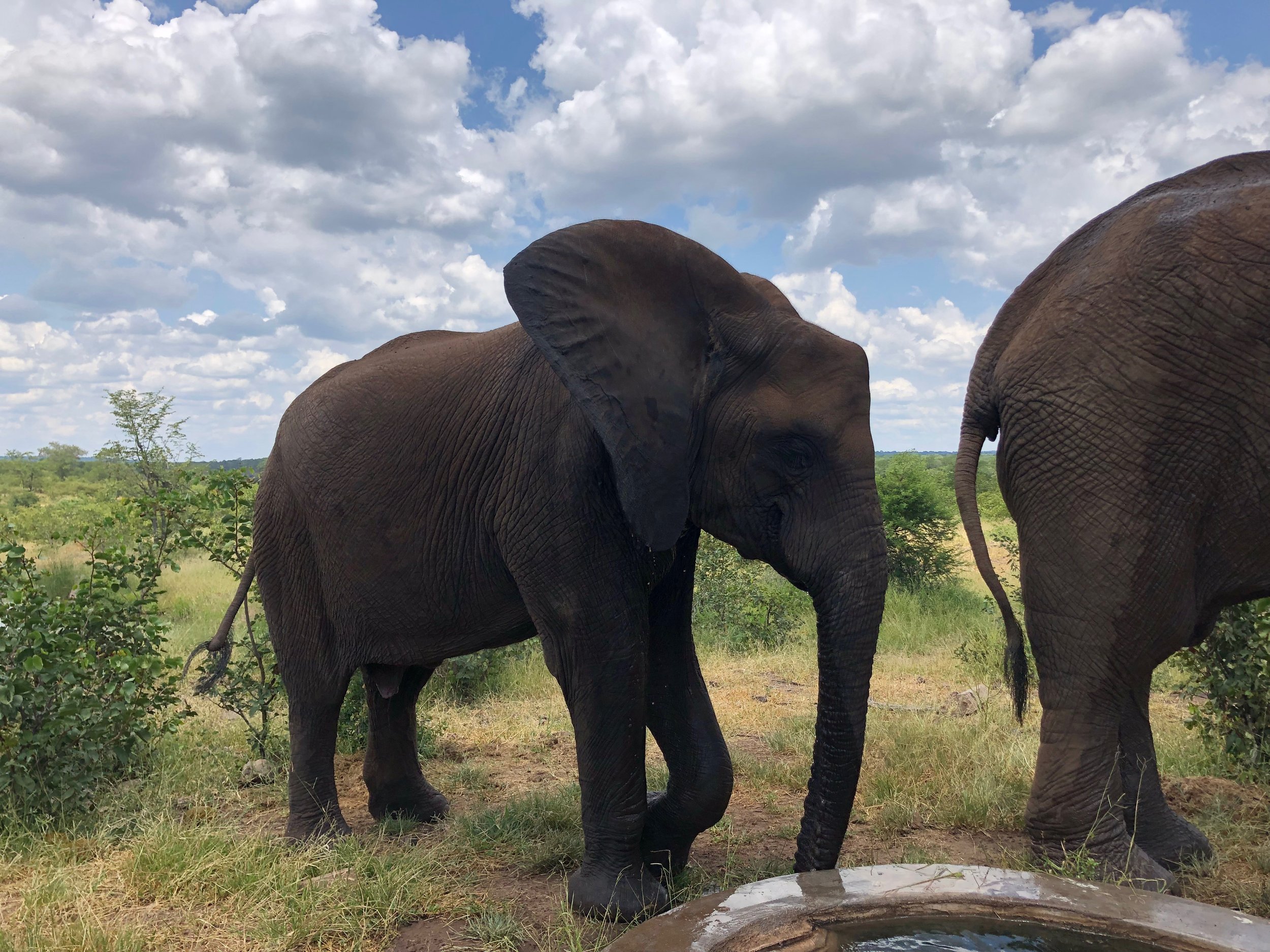
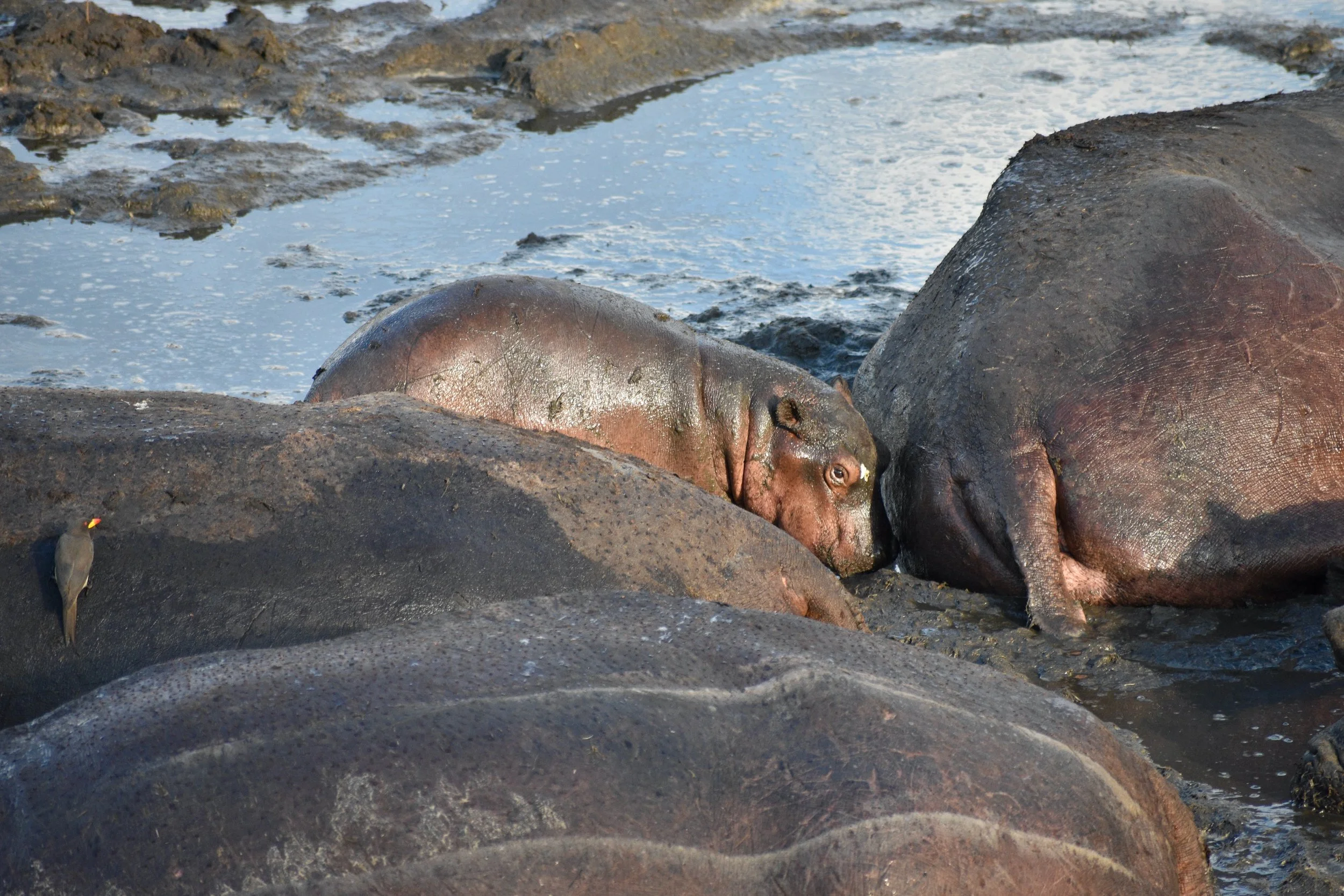
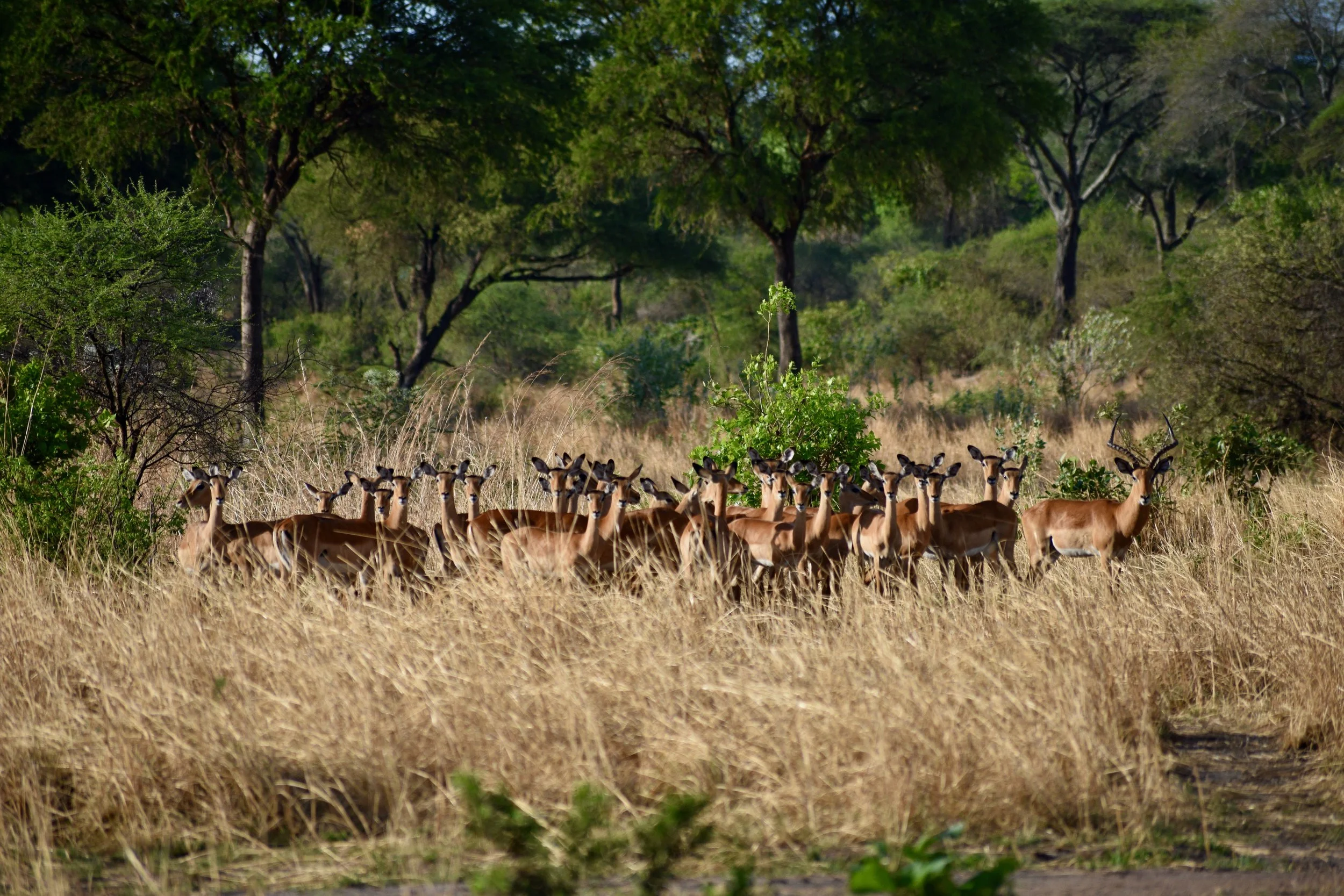
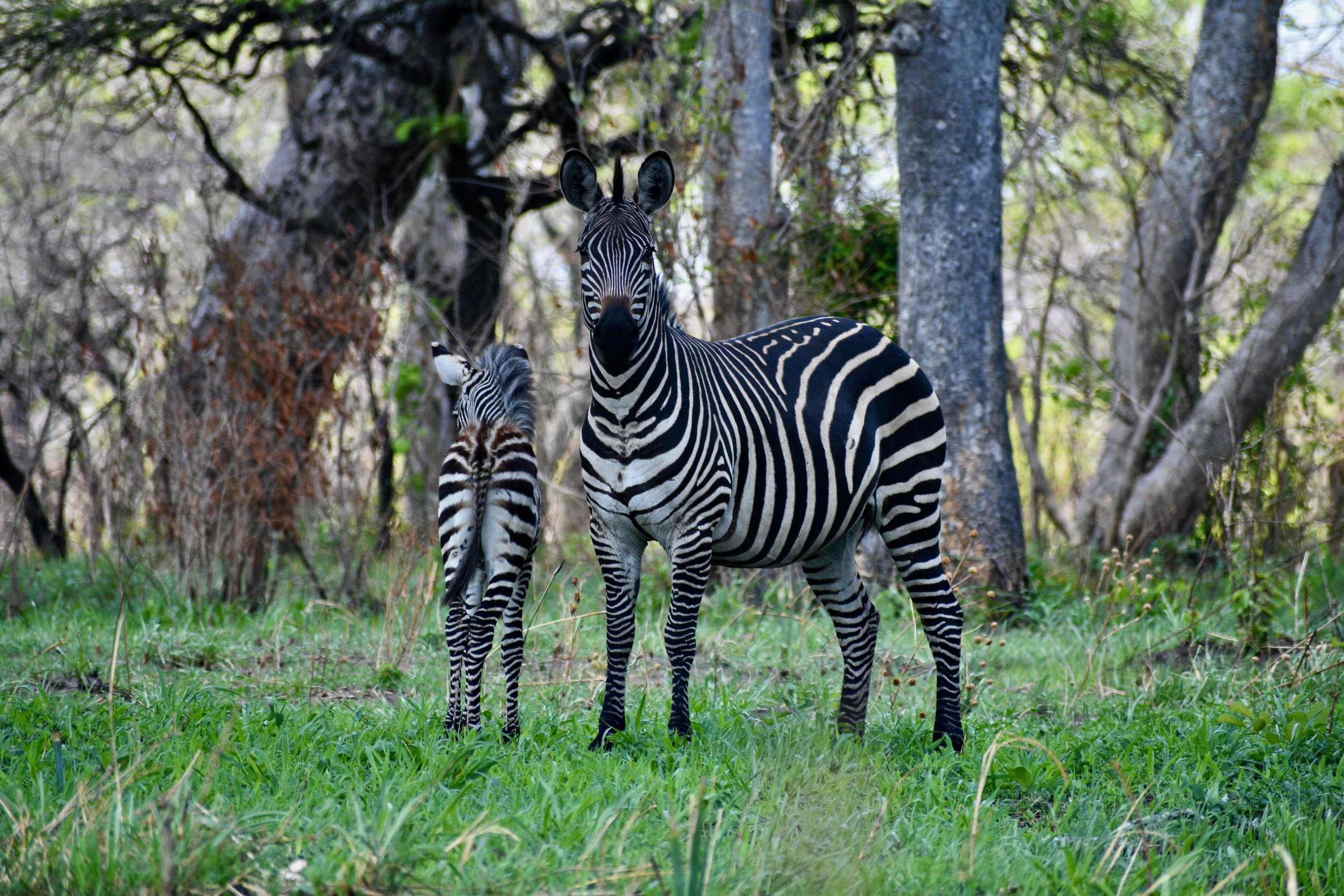
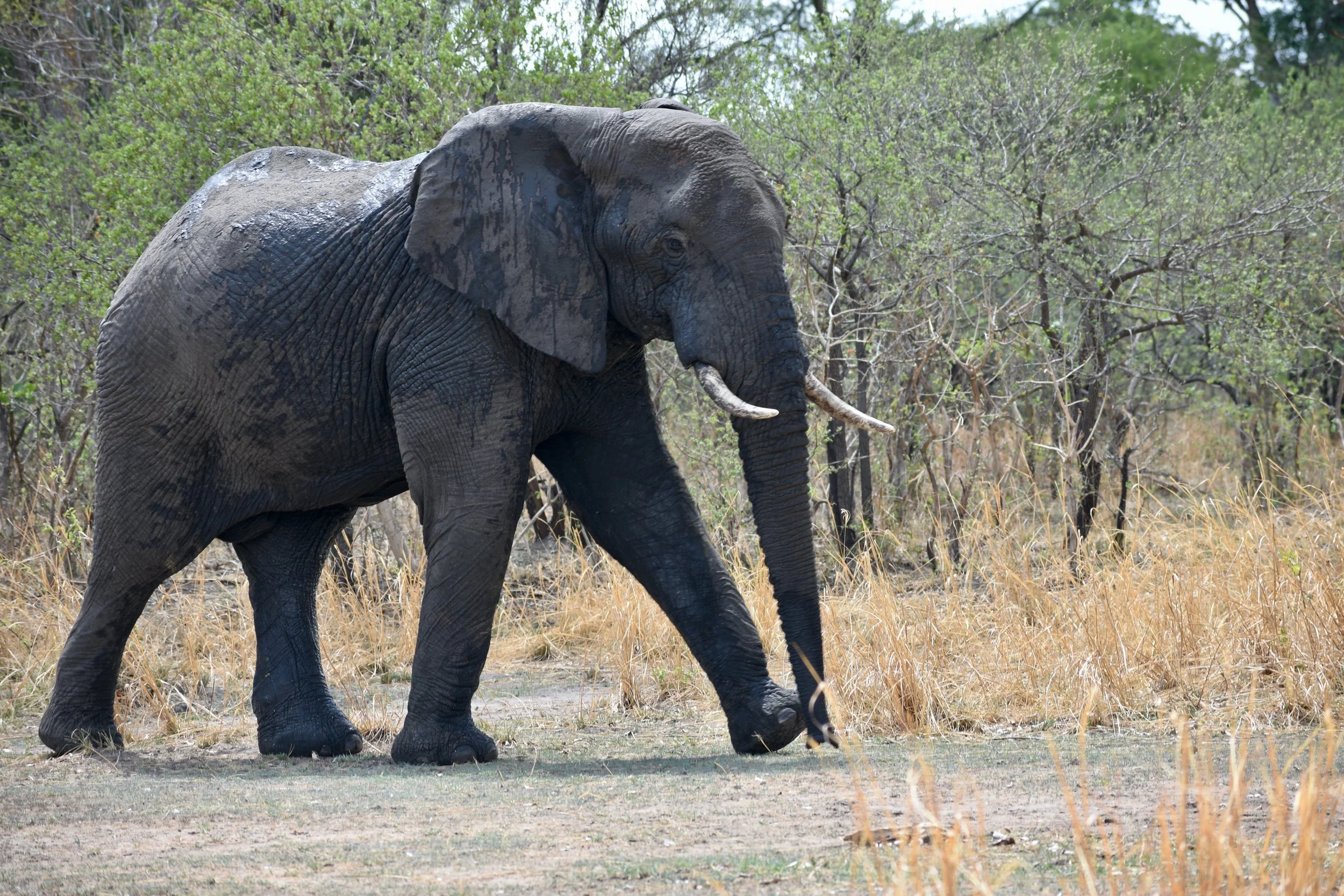
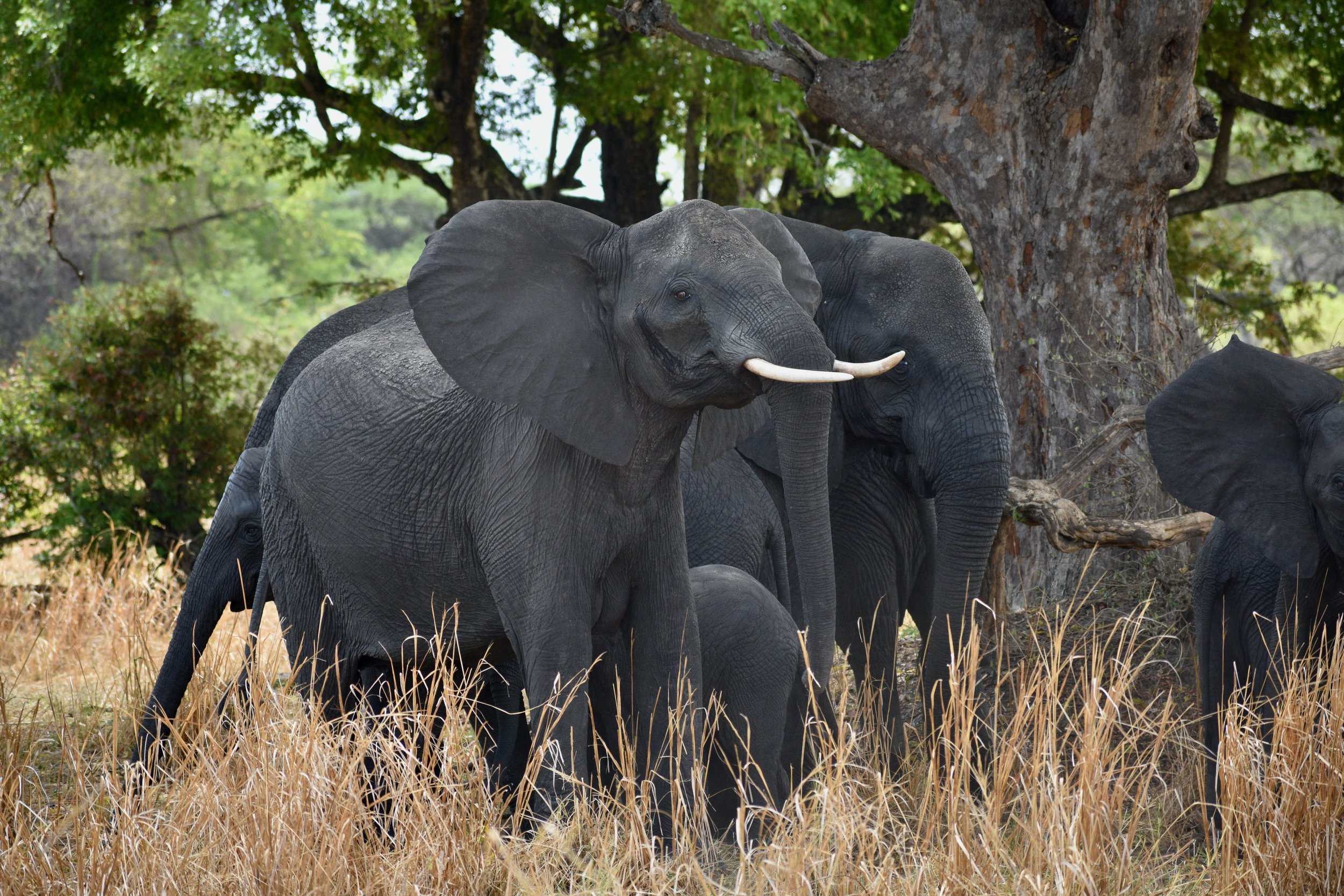
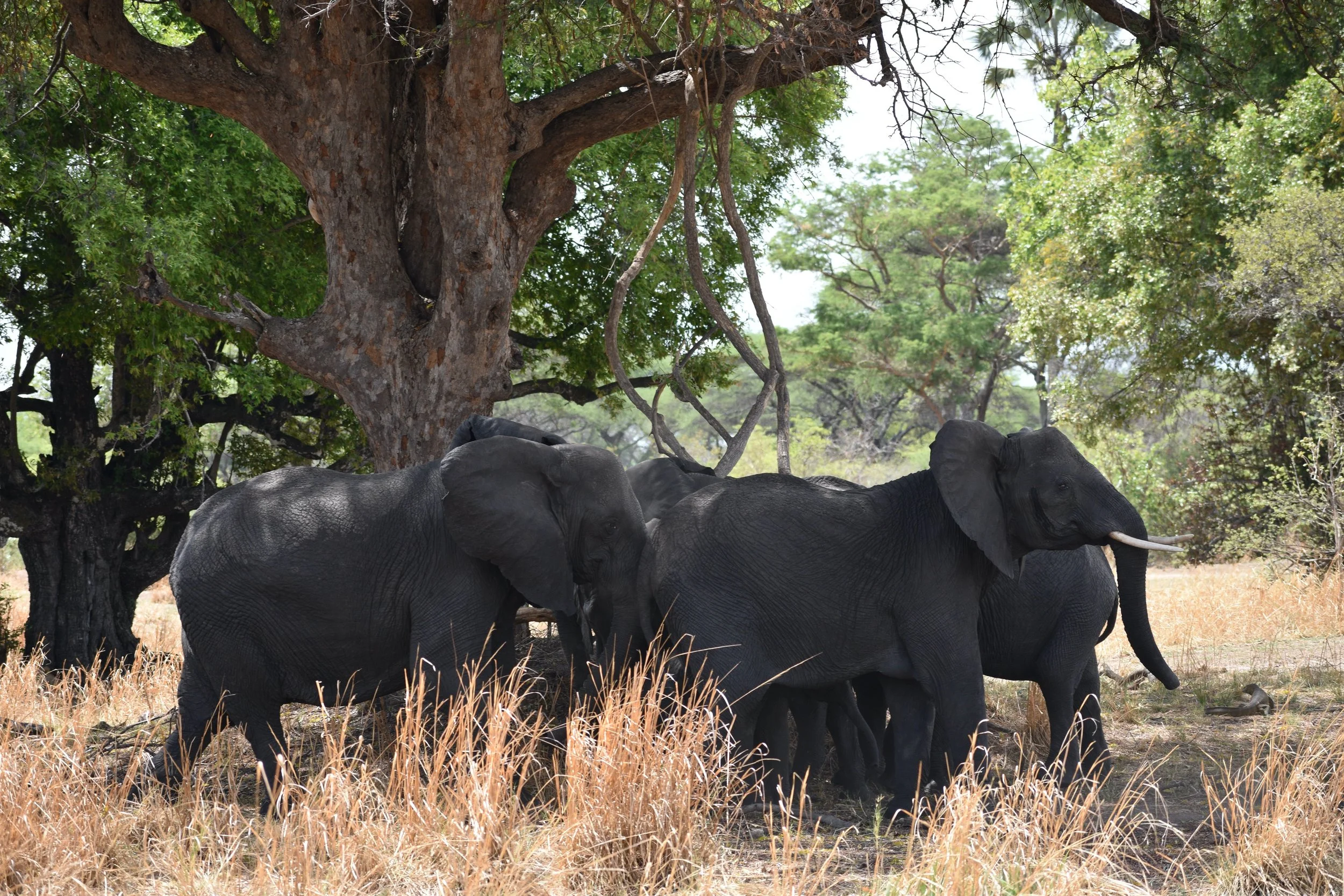
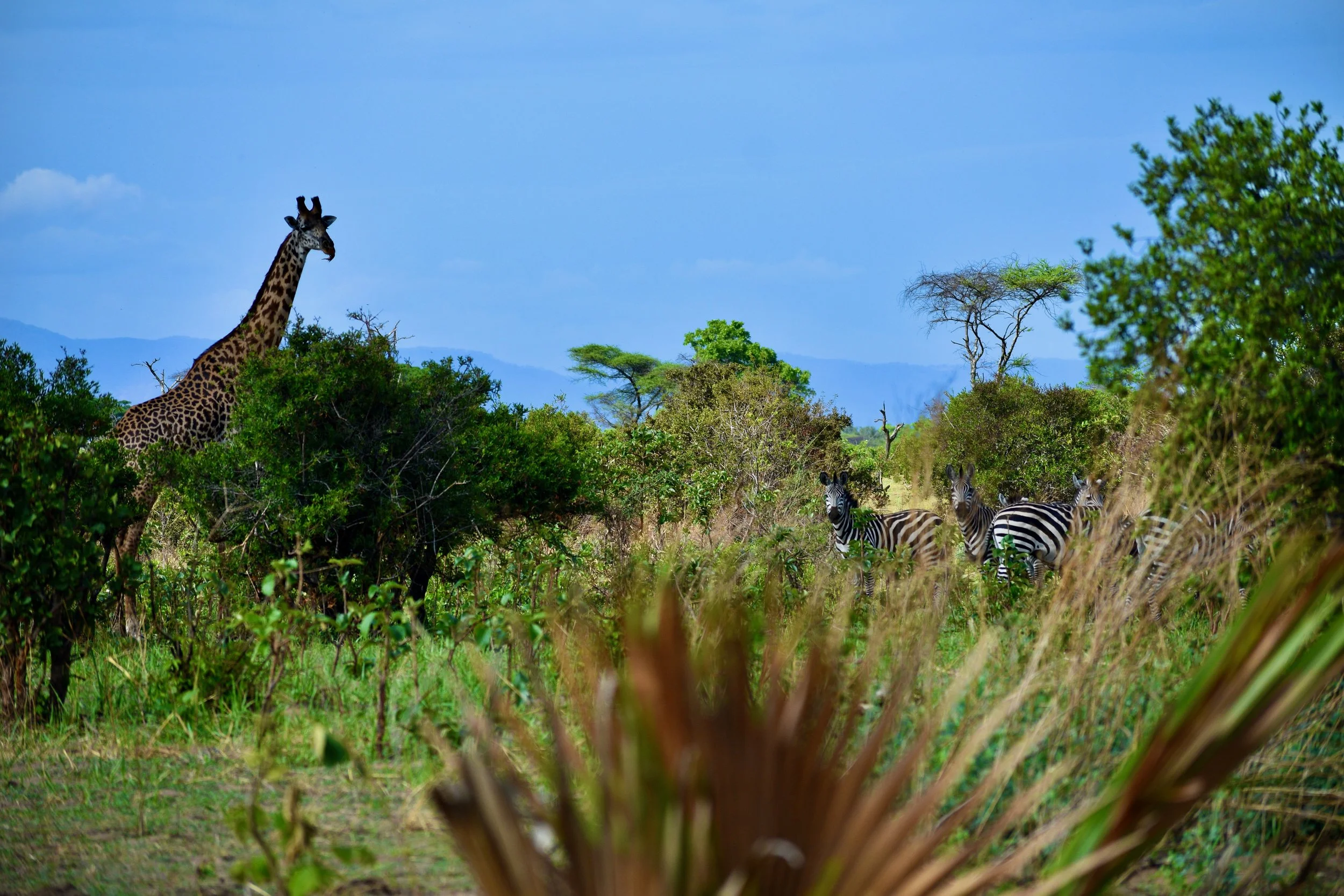
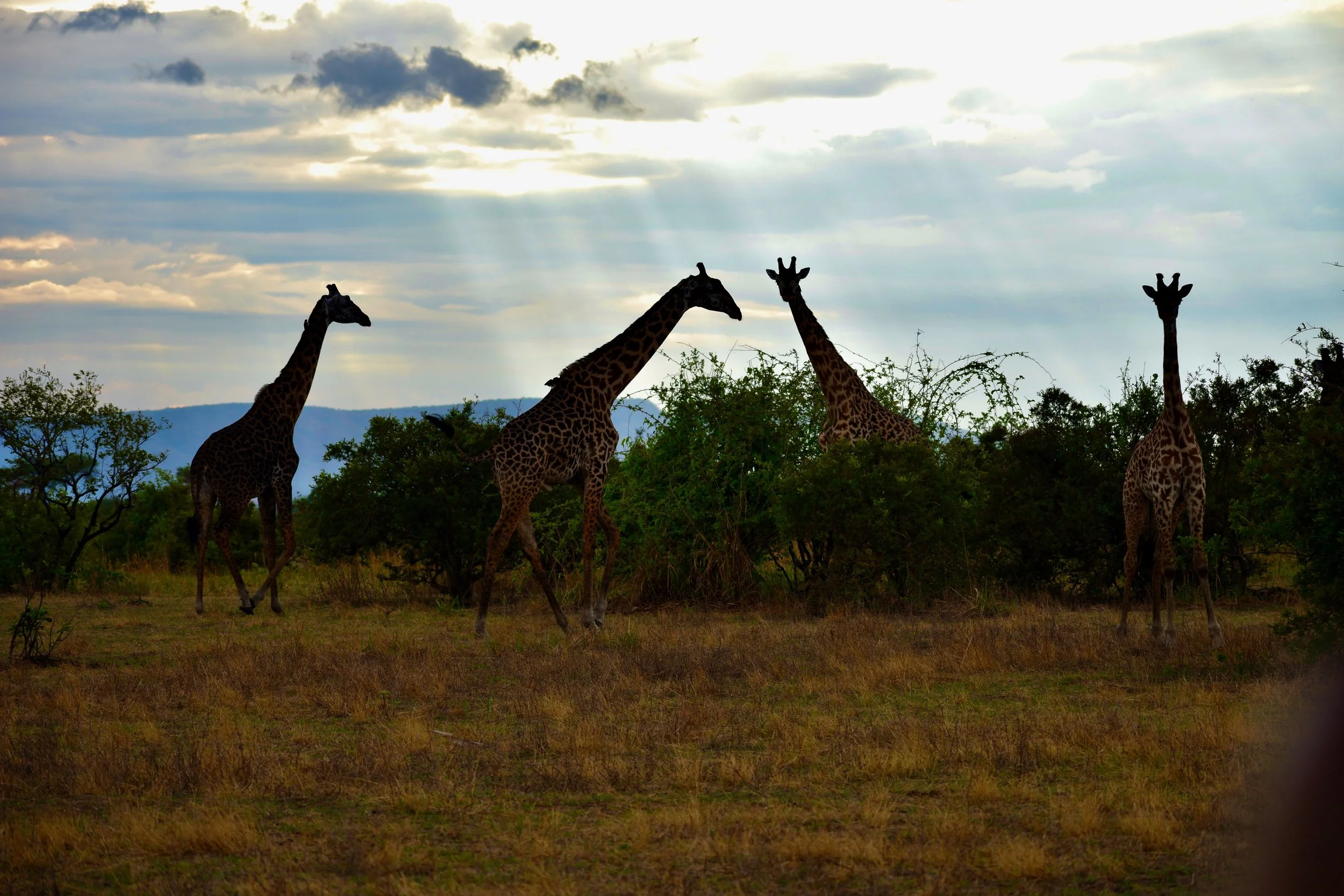
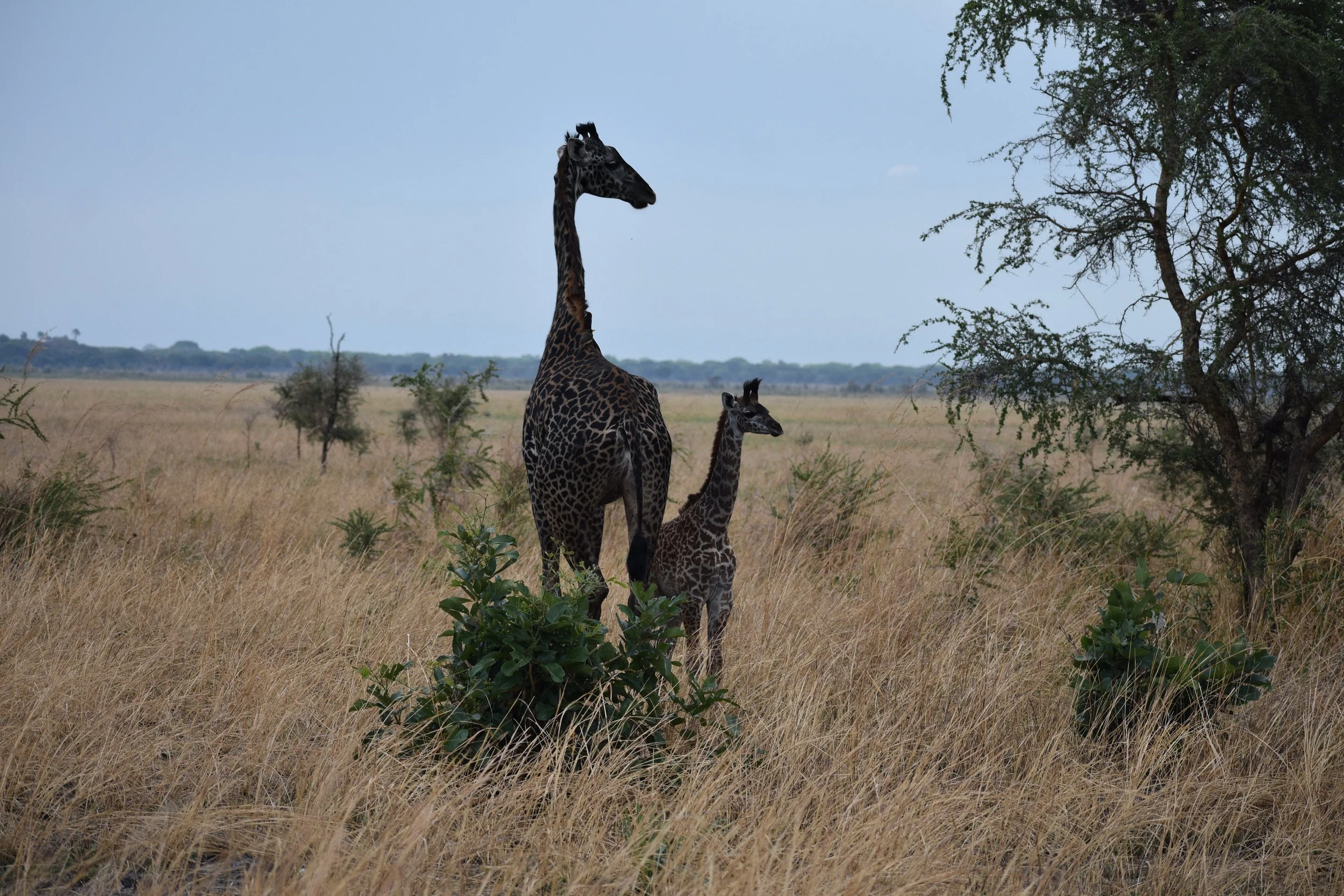
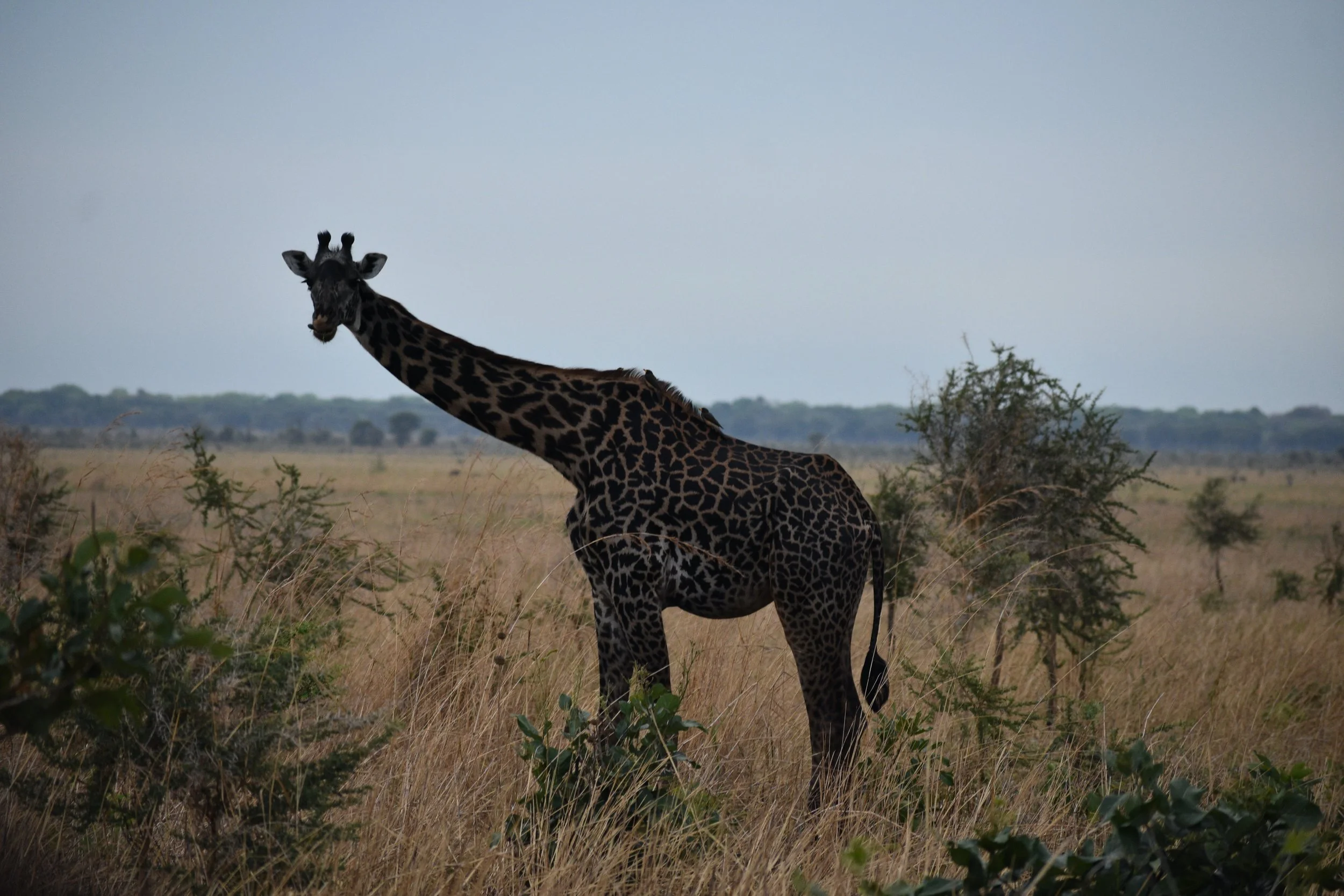
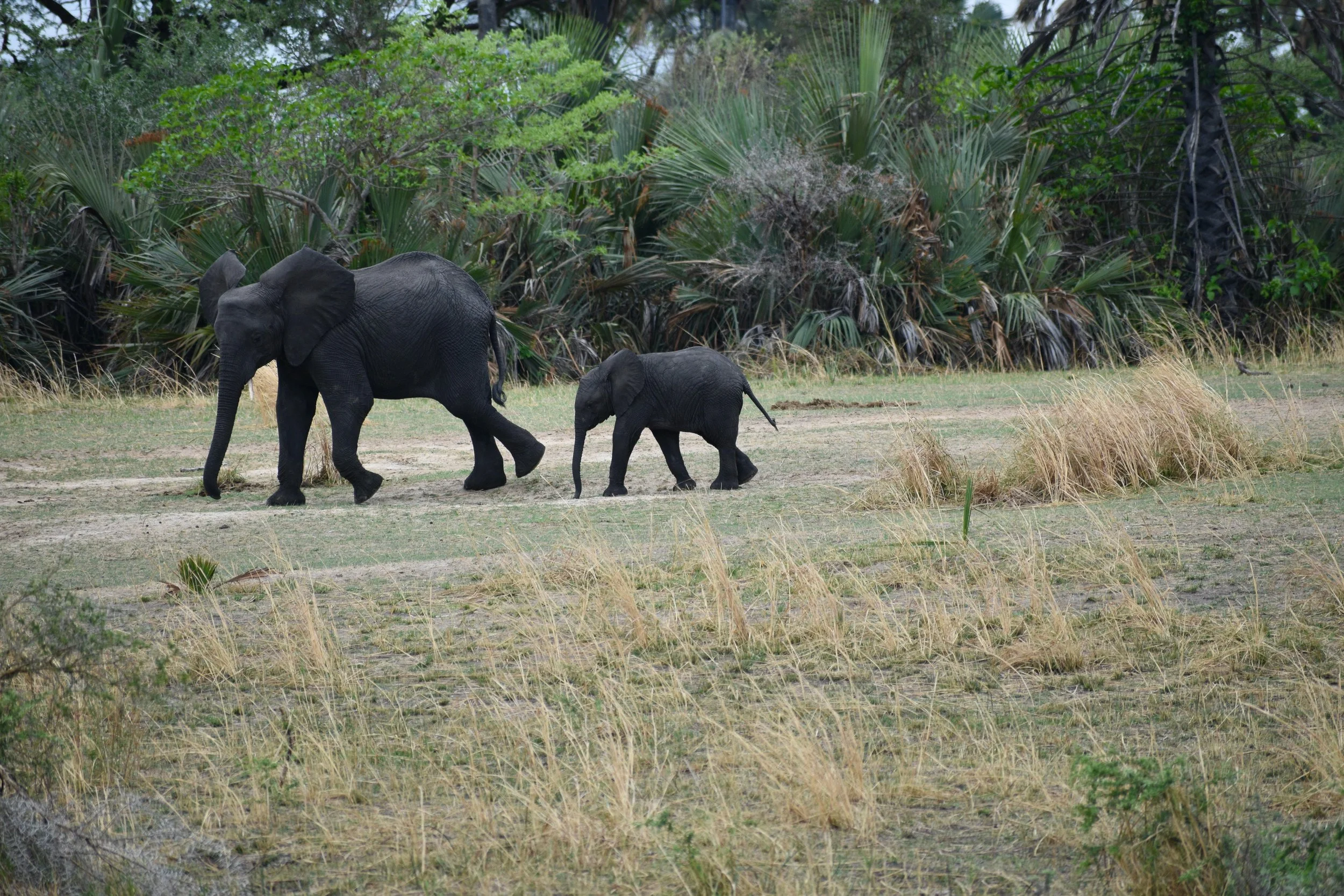
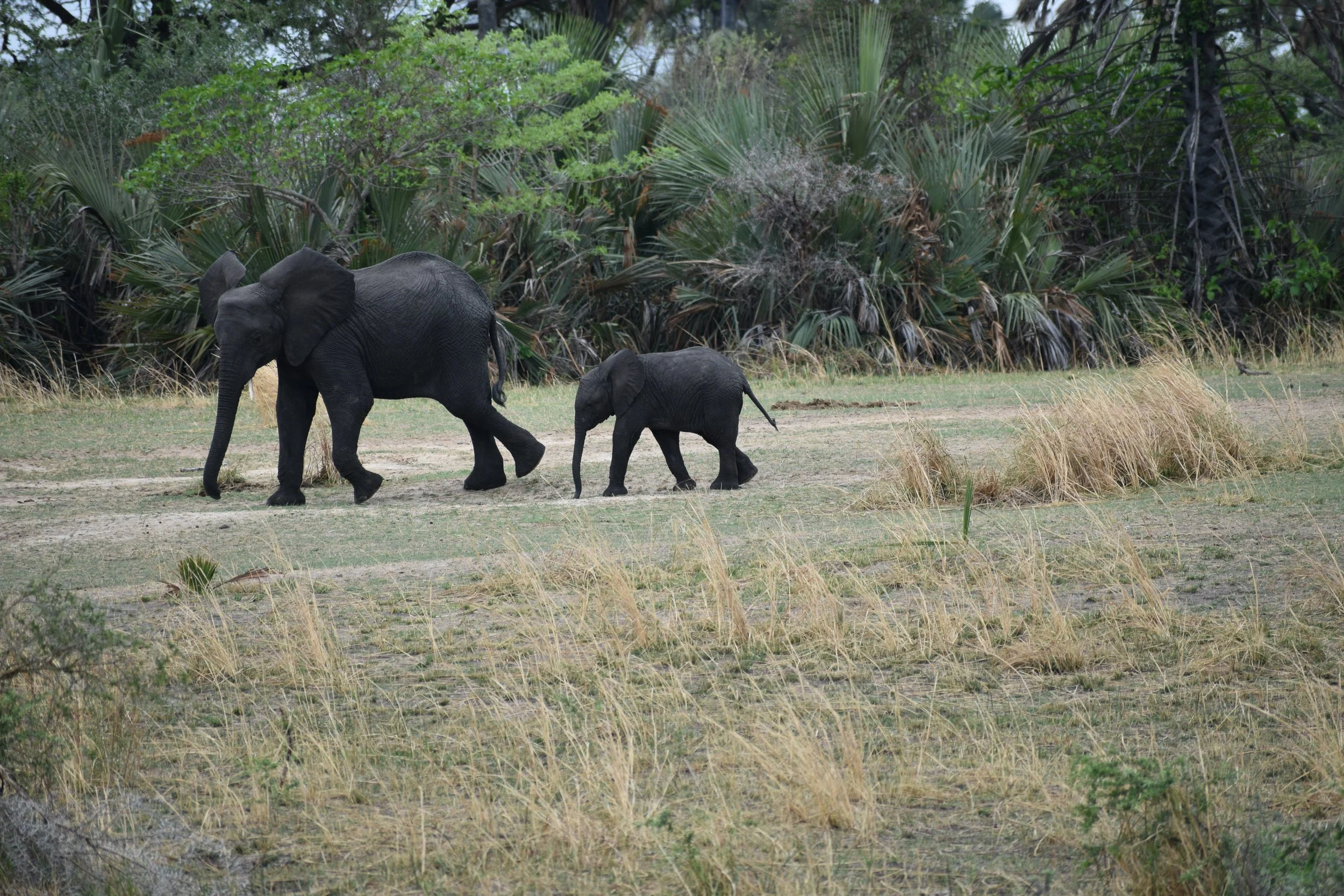
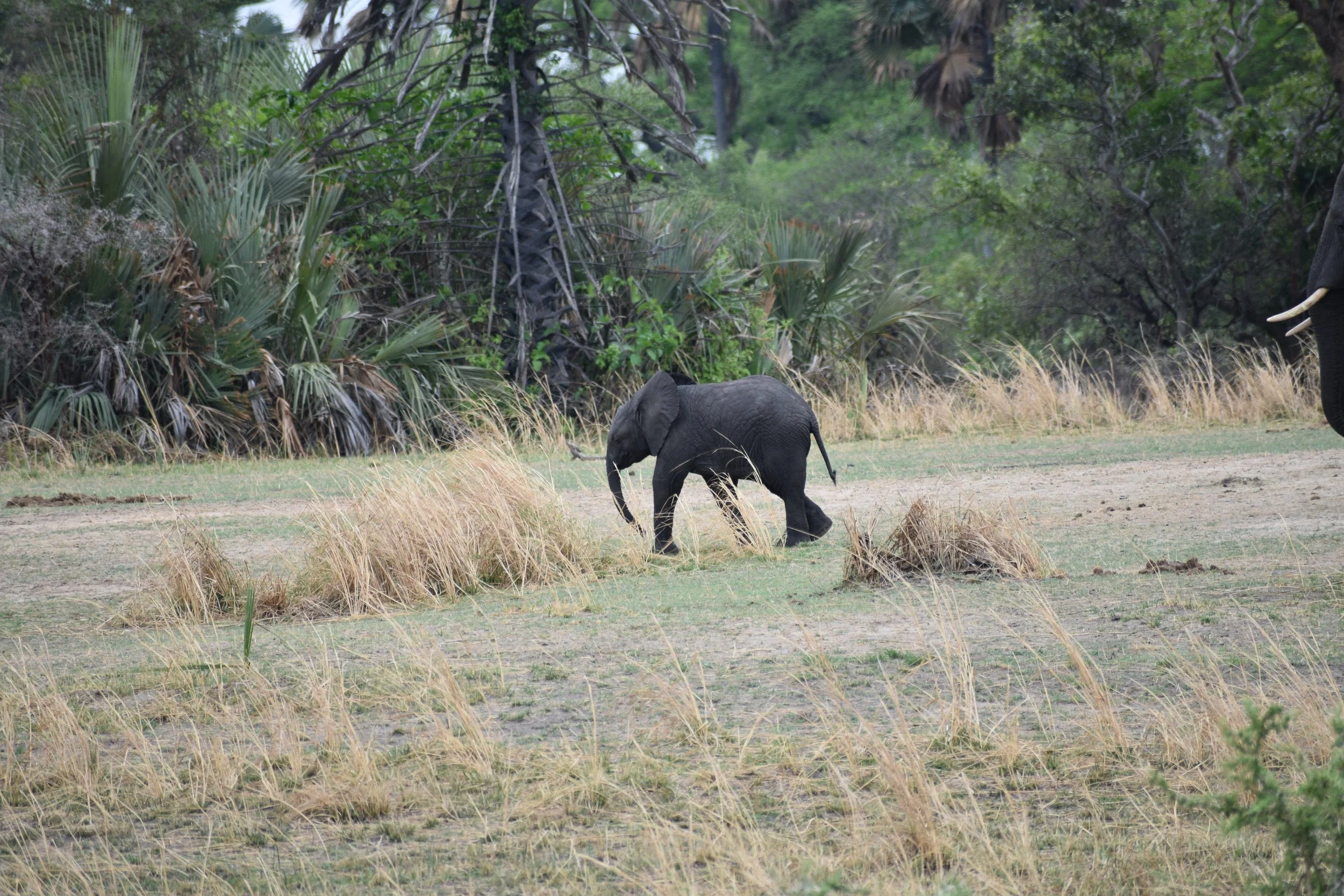
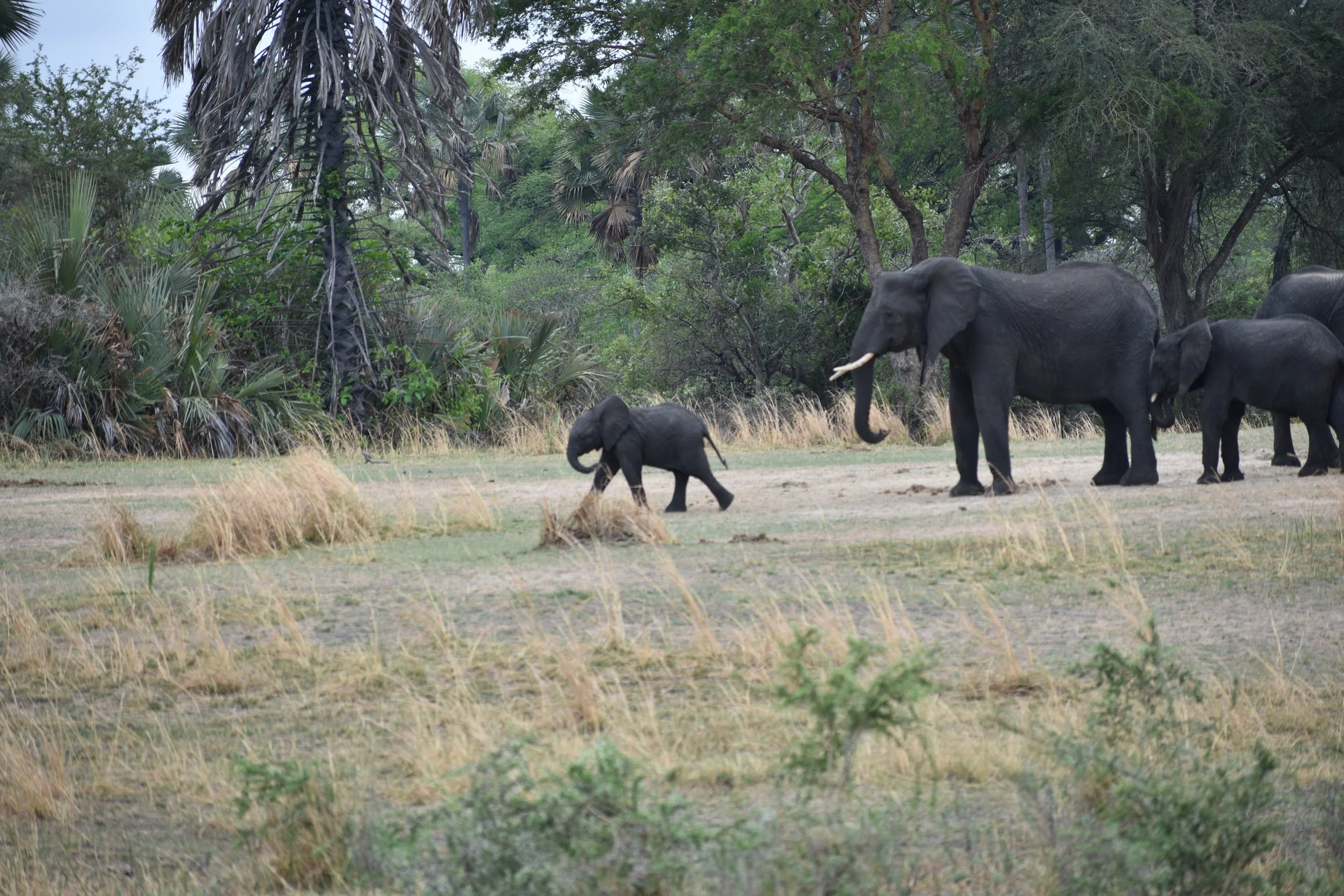
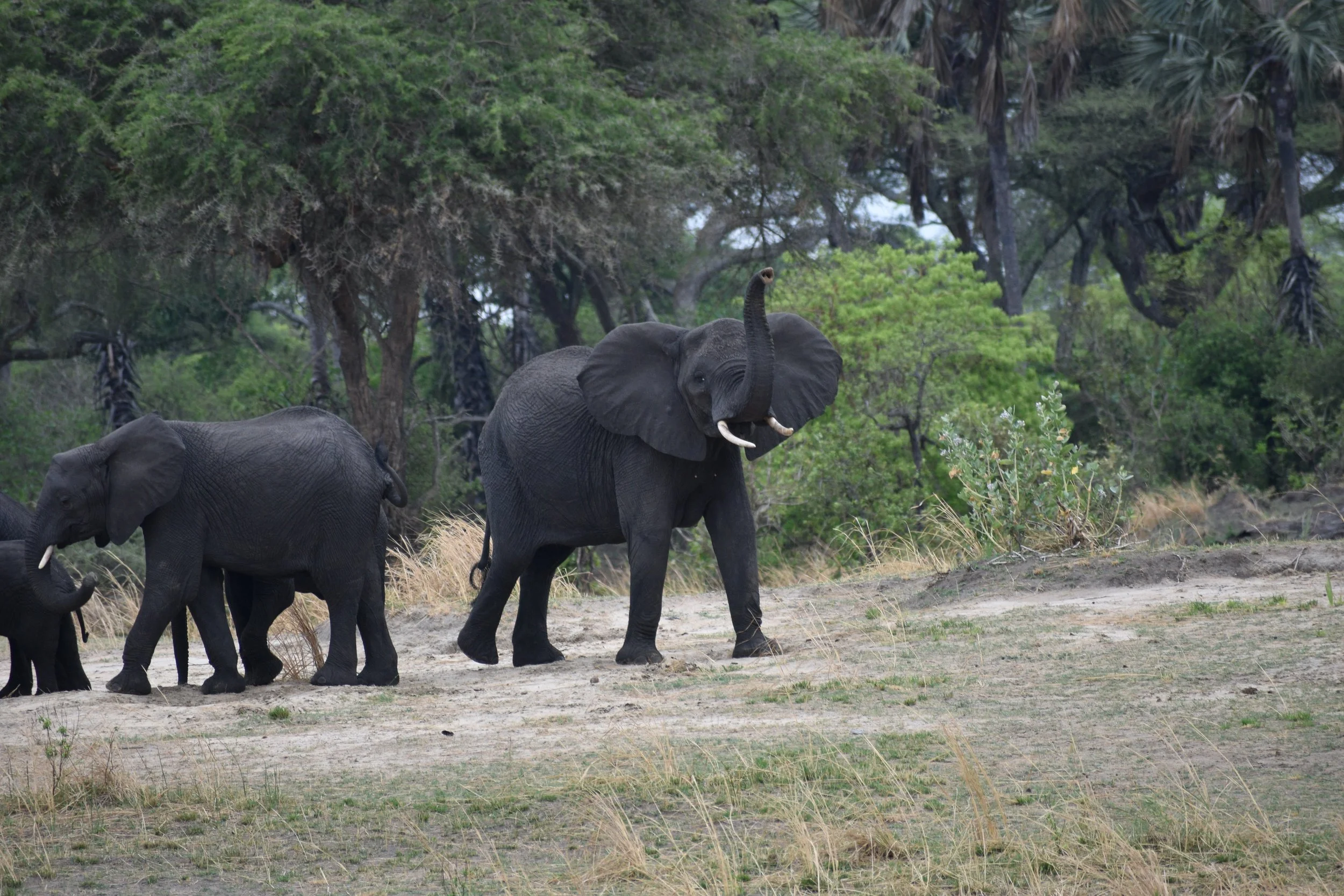
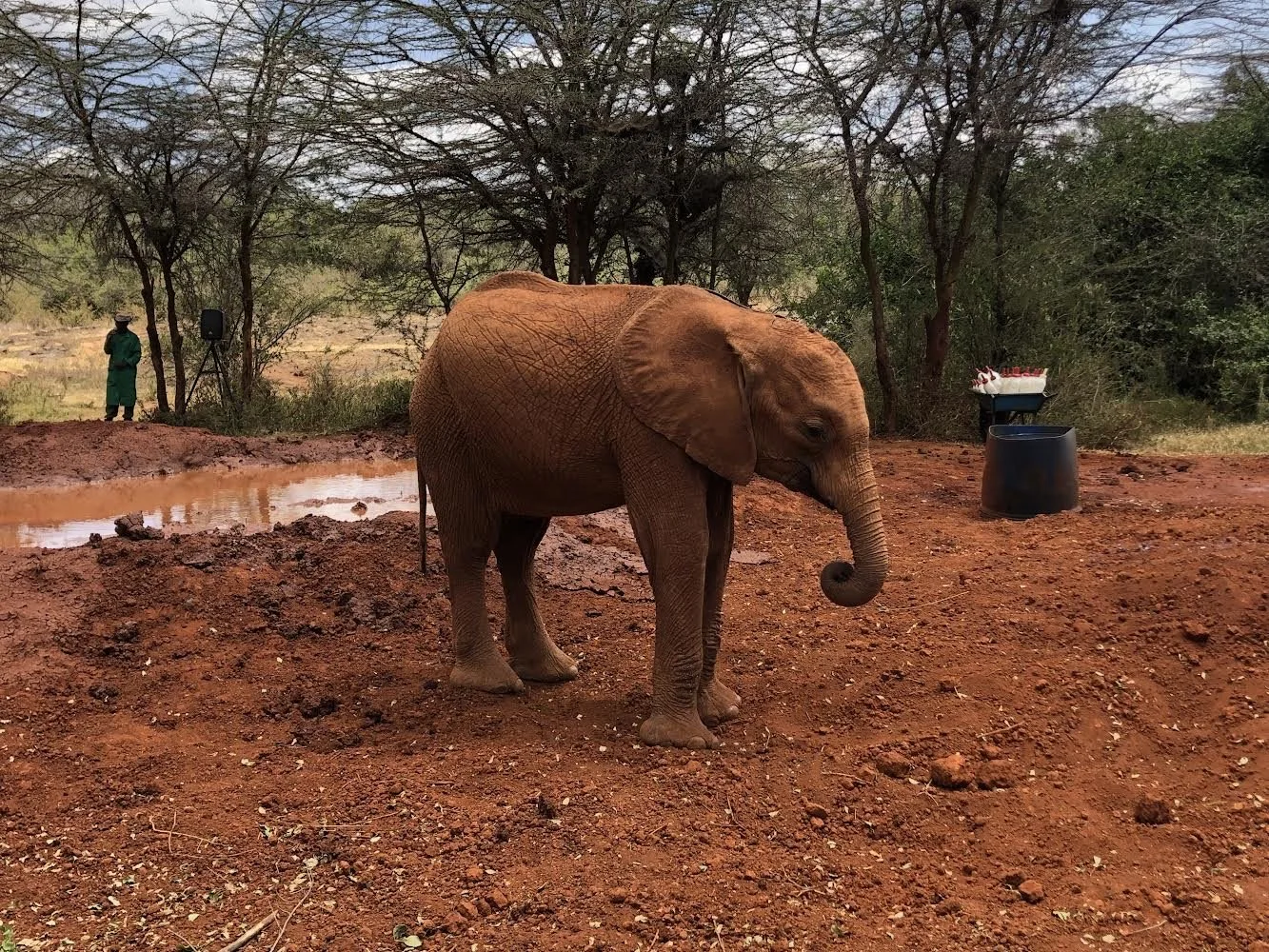
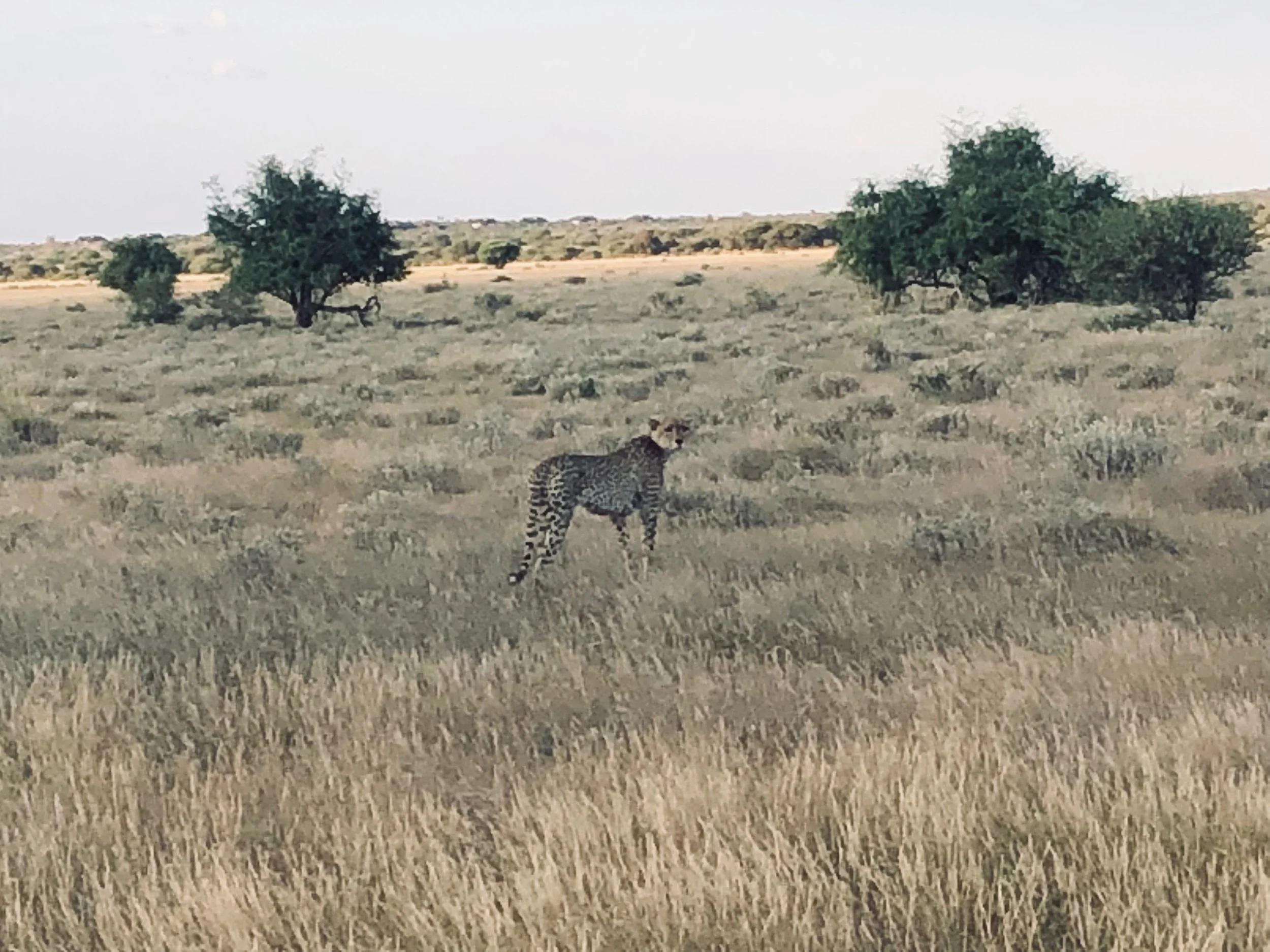
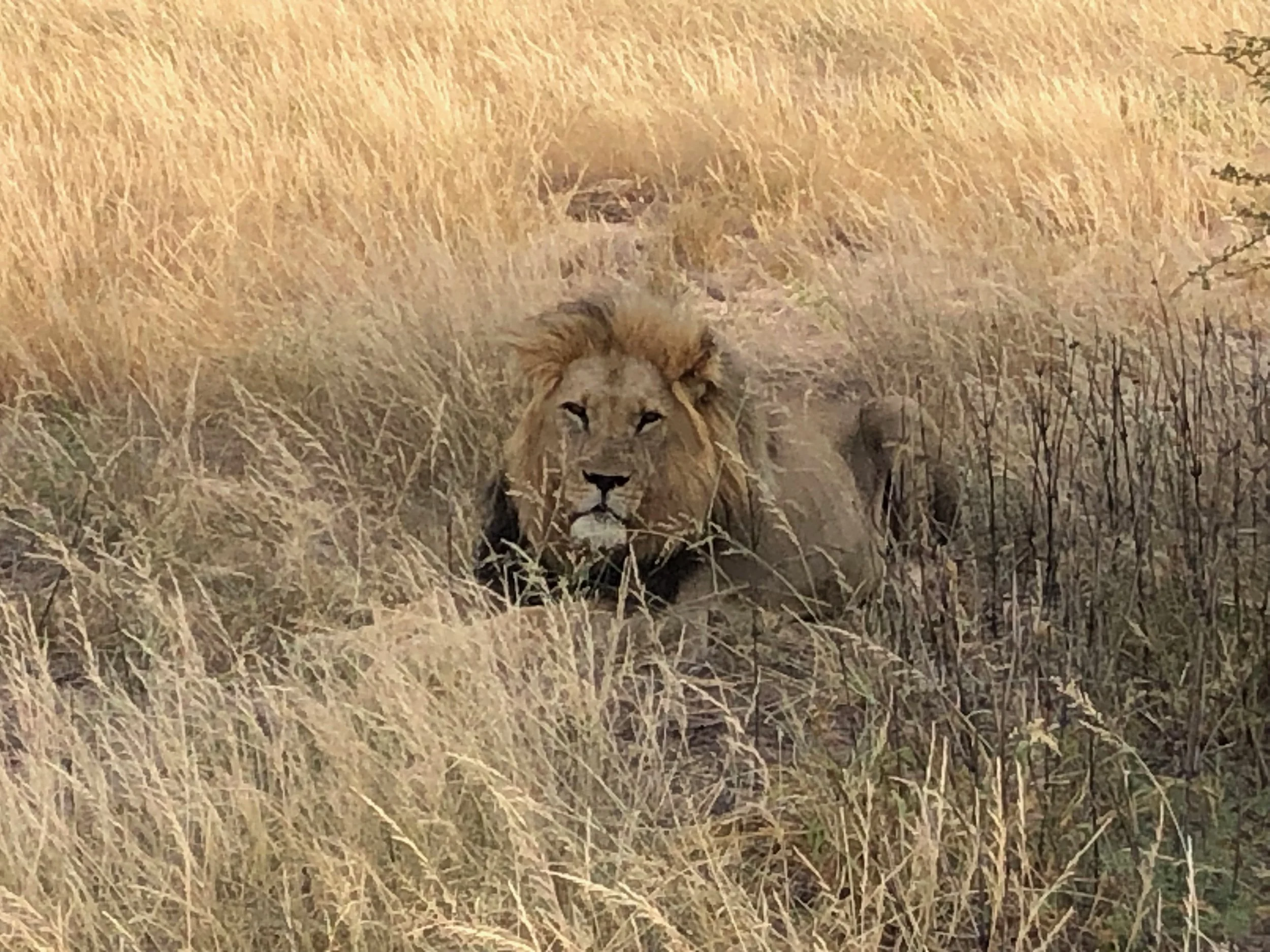
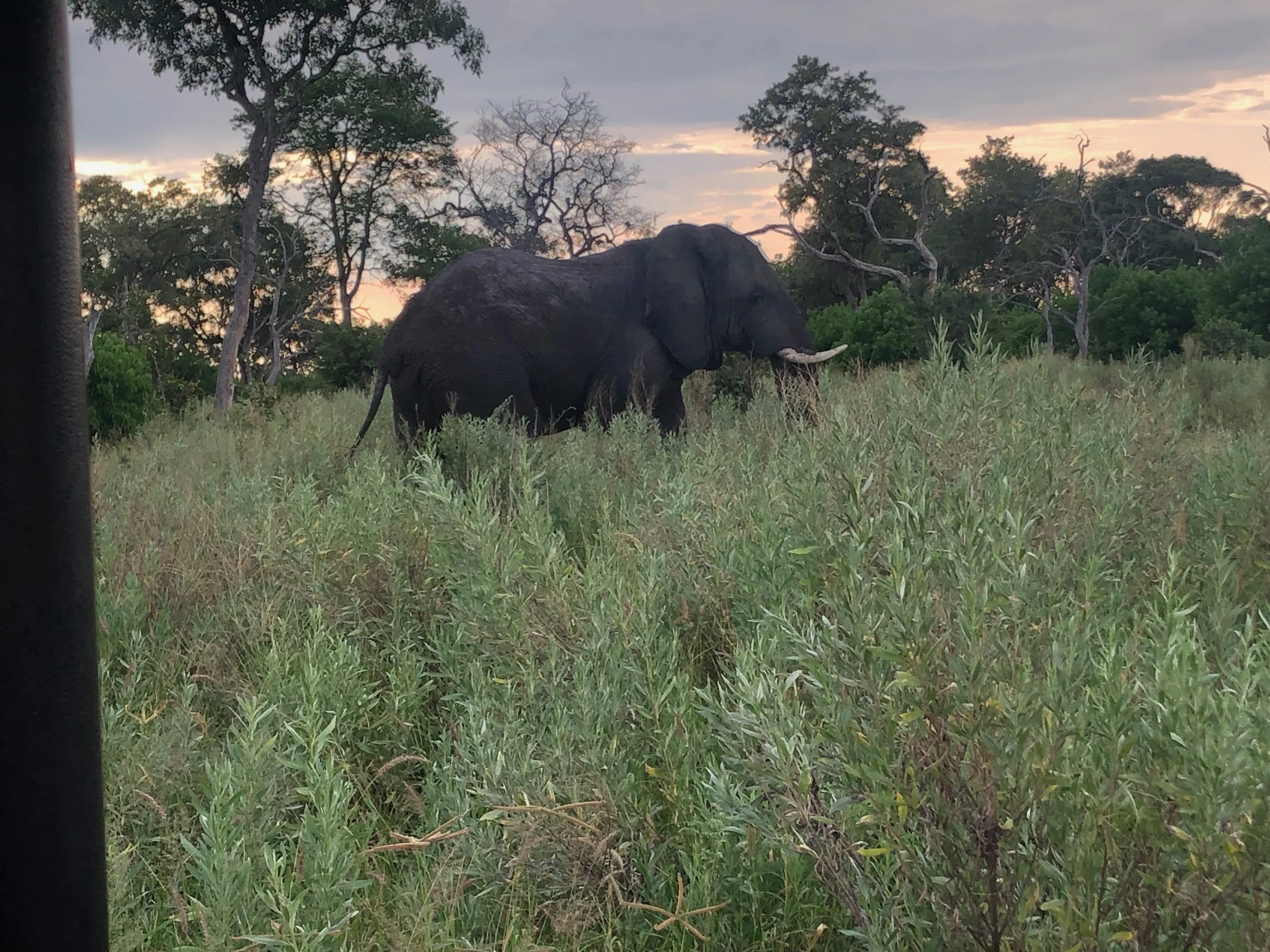
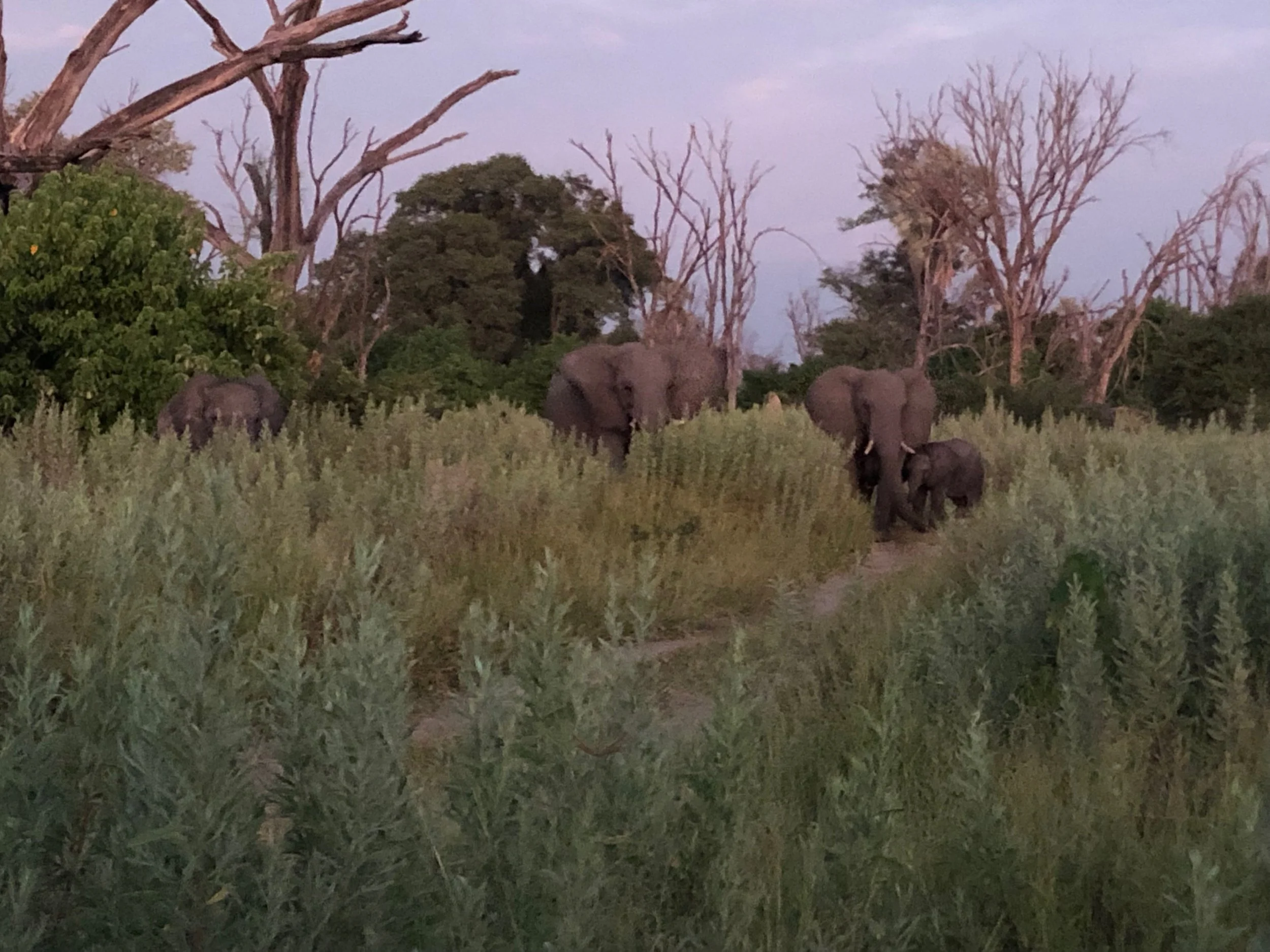
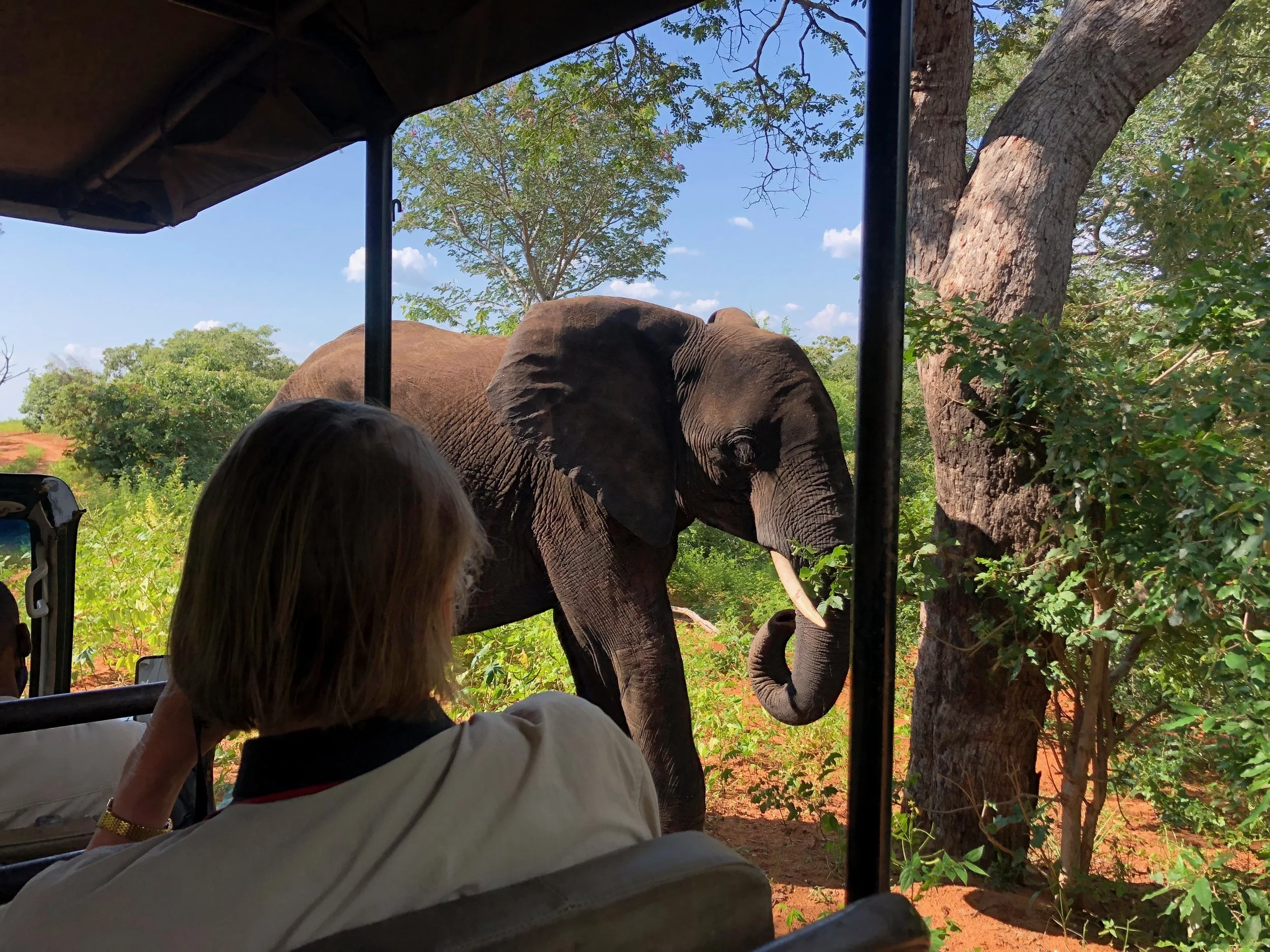
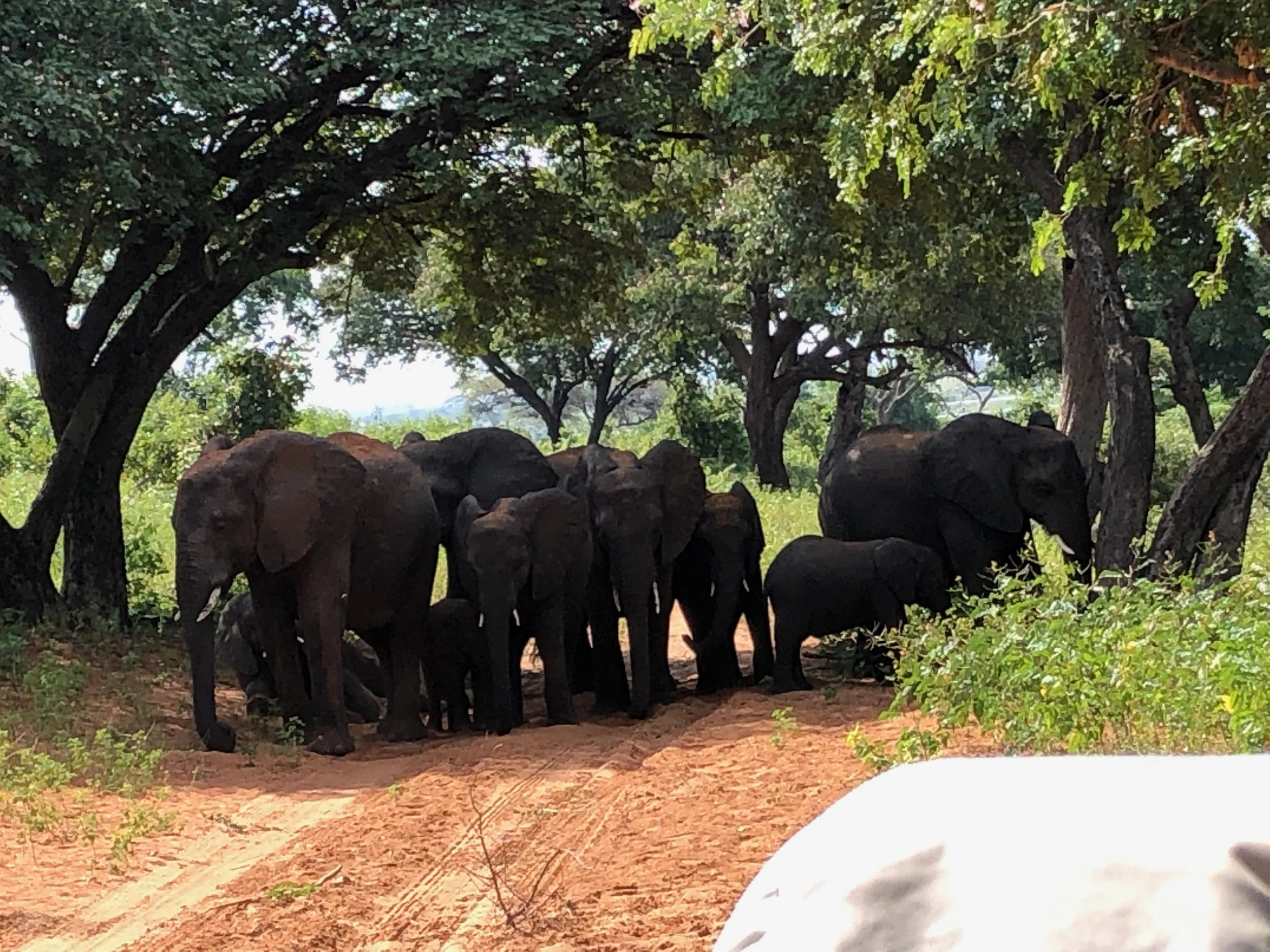
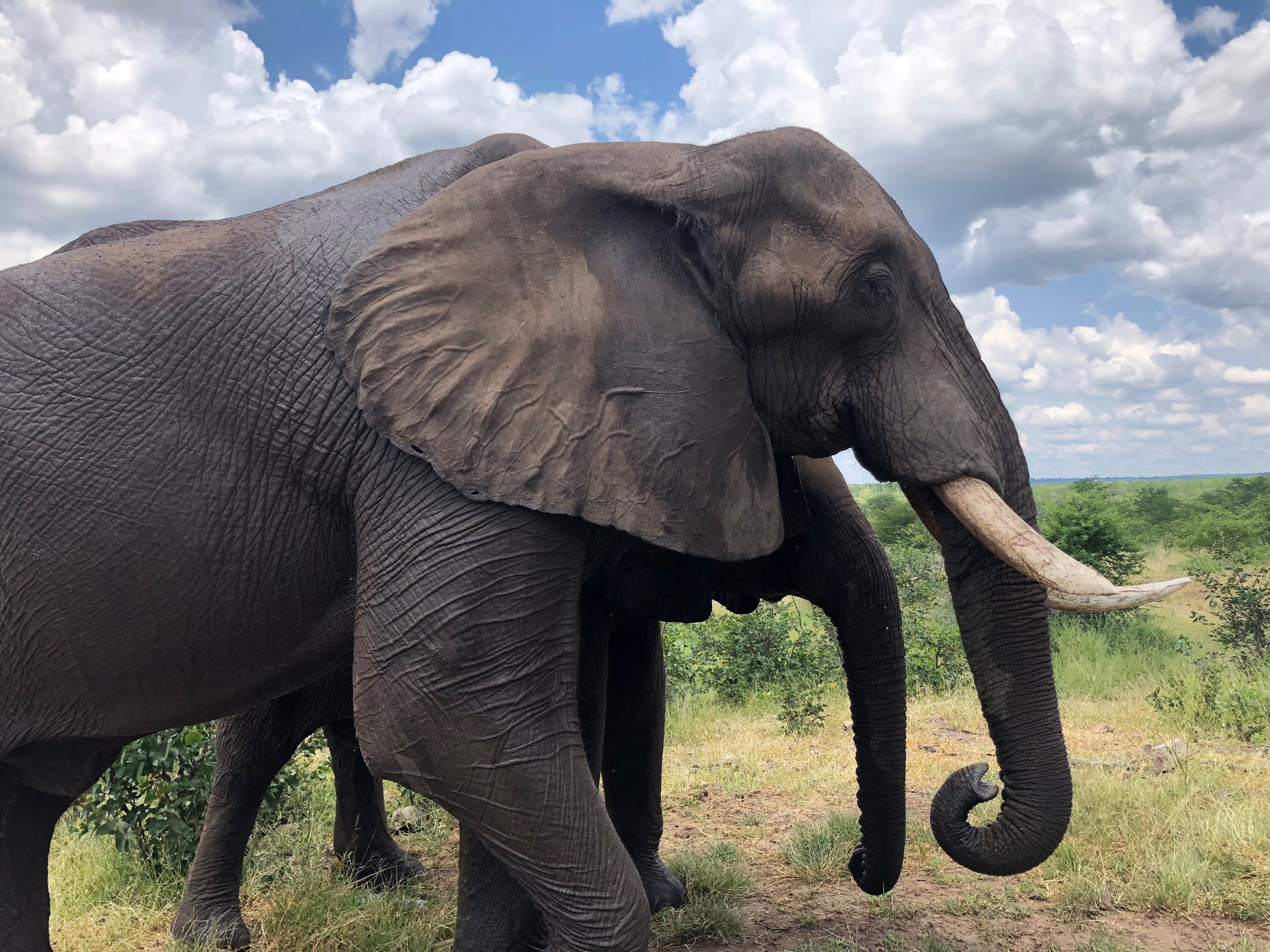
I want a world where elephants, rhinos, lions, giraffes, and gorillas still roam free. Don’t you?
But the reality is sobering. Research from the Stockholm Resilience Centre shows that Sub-Saharan Africa has already lost nearly a quarter of its biodiversity.
Traveling through Africa made that statistic feel very real to me.
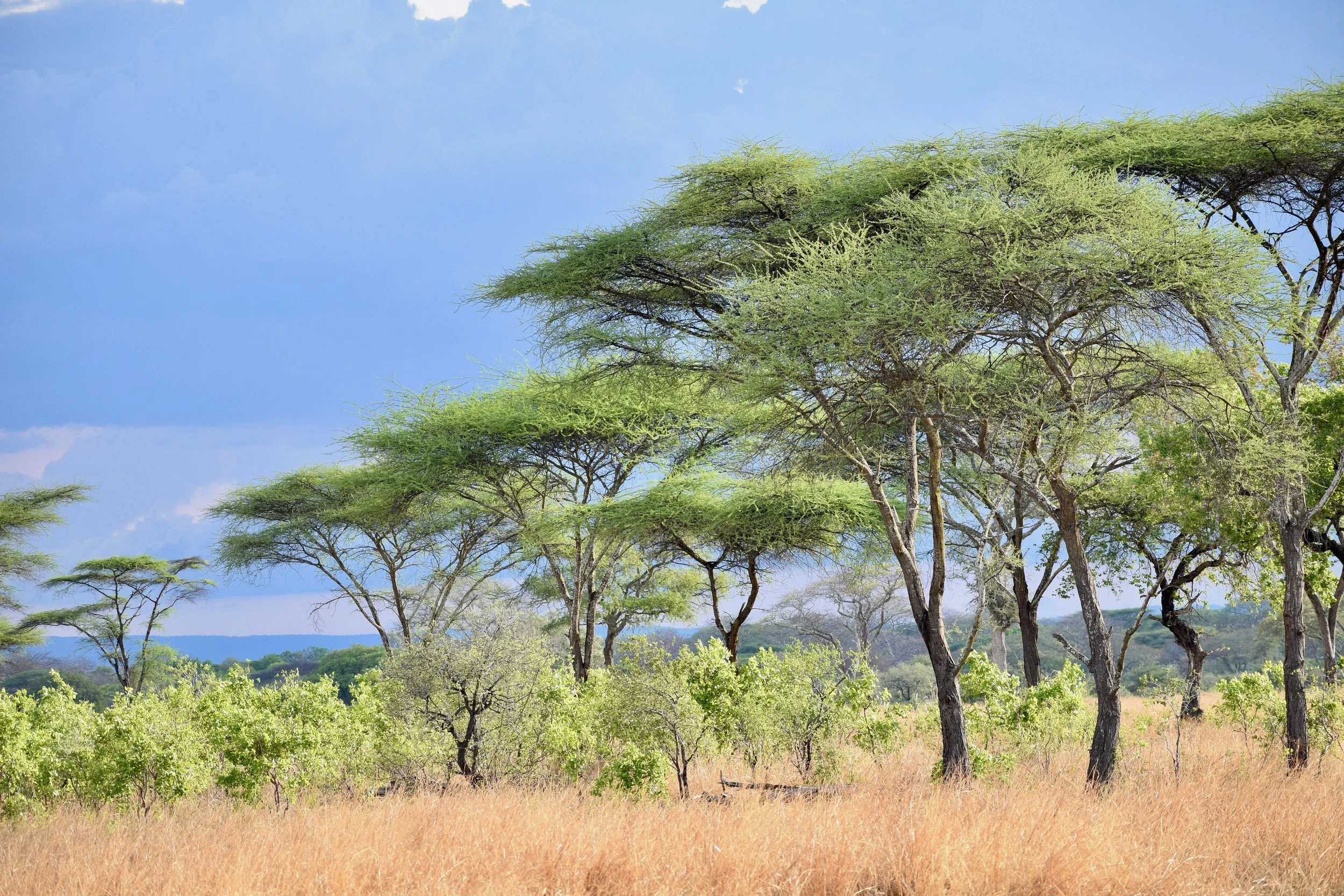
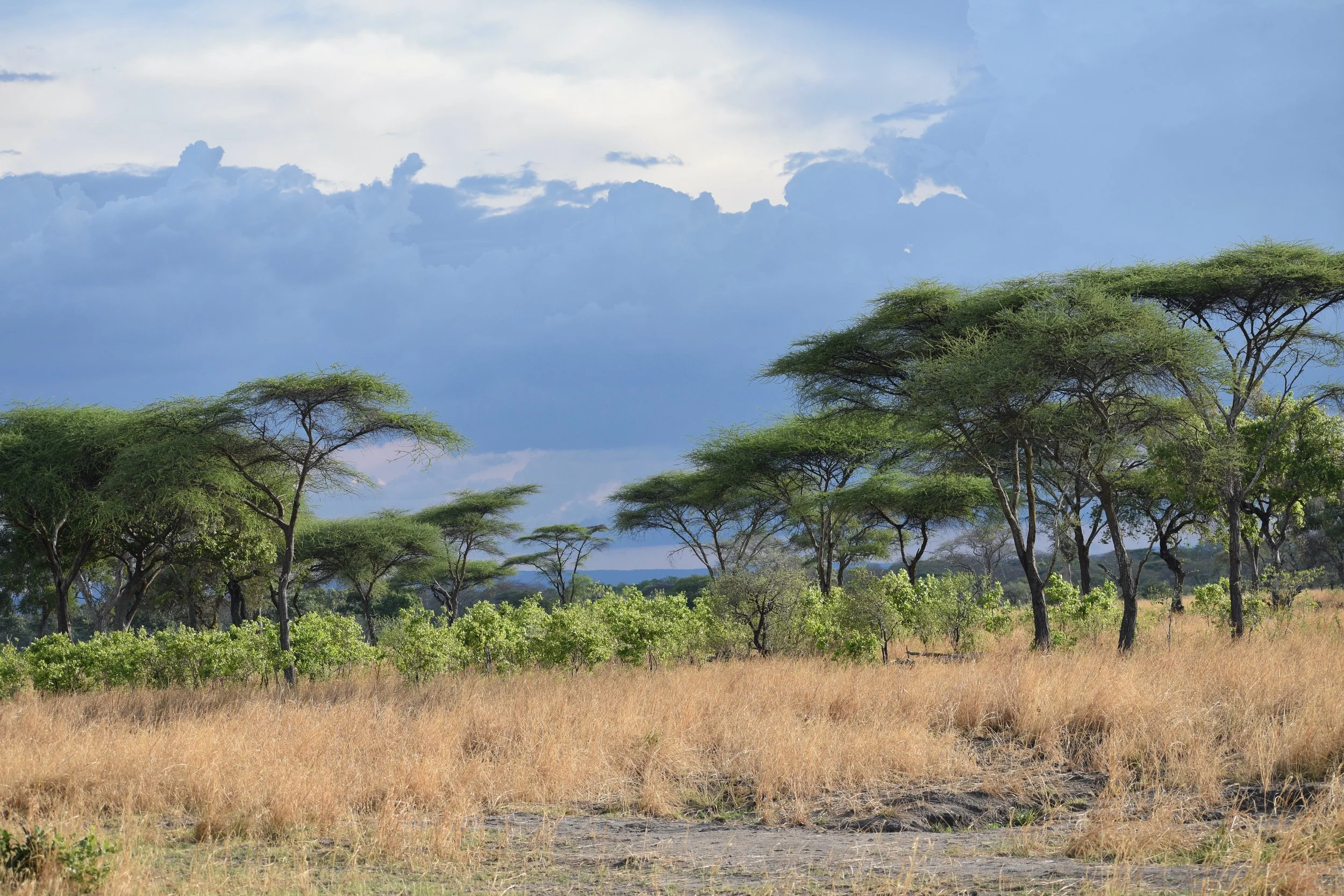
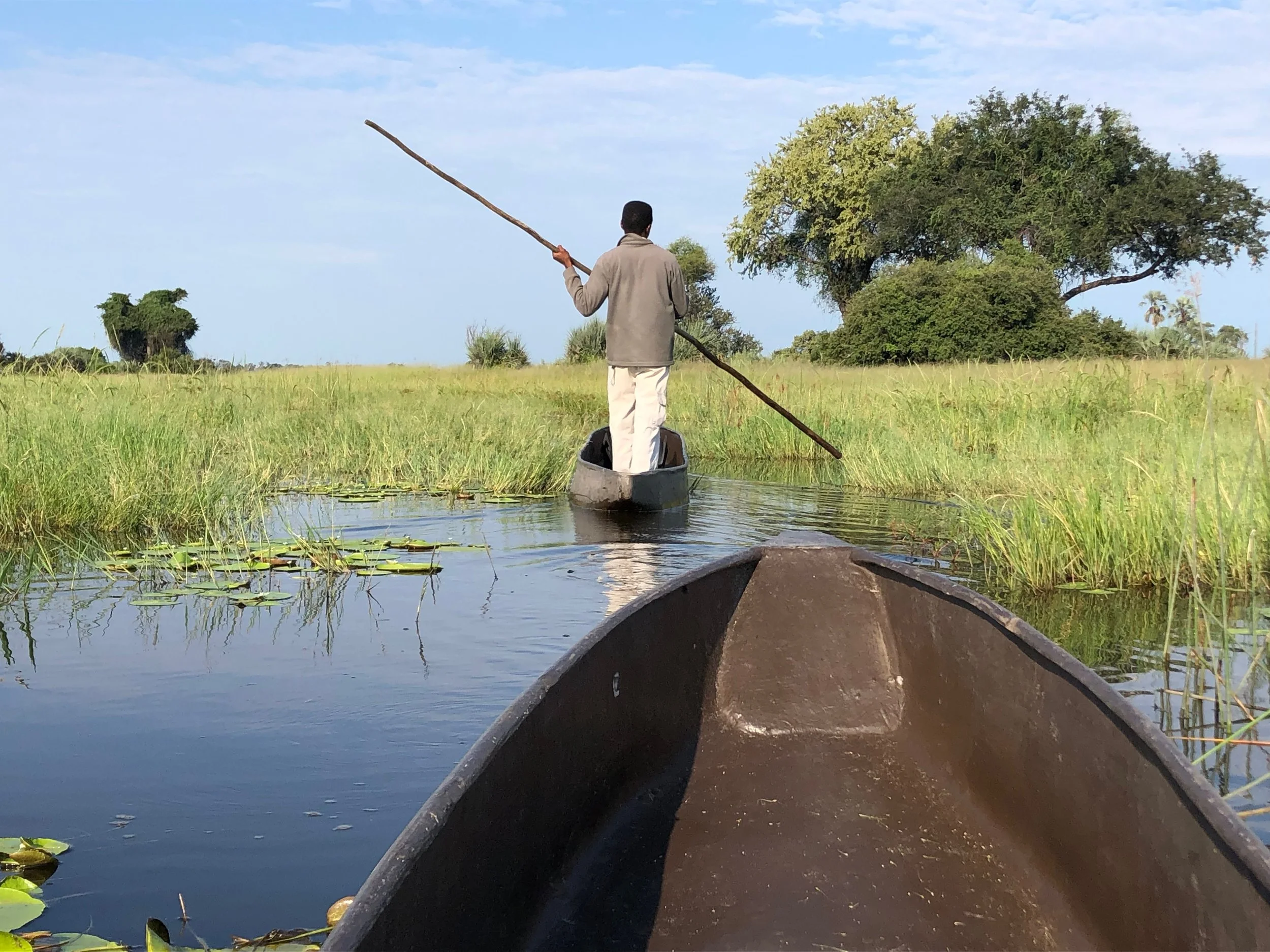
I’ve been fortunate to spend time in the savannas of Kenya, the vast plains of Tanzania, the wetlands of Botswana, the river valleys of Zambia, and the misty forests of Rwanda. Each place is breathtaking — and each reminds you how fragile these wild spaces really are.
One experience in particular has stayed with me.
My friend Cristen and I were in the second week of a safari after climbing Mount Kilimanjaro, staying in Ndutu, a place our guide described as a purist naturalist destination.
At first, I didn’t quite see it. The conservationist in me noticed safari vehicles driving off road and what looked like disturbed soil. I remember thinking the landscape felt more used than I expected.
Still, there were things I loved immediately — the genets nesting in the rafters at the lodge, the warmth of the staff, and the incredible meals after long days out on the plains.
That evening Cristen and I collapsed into our small cottage, already exhausted. Earlier, we had found ourselves hilariously trying to outrun a very determined bee, and in the chaos Cristen stubbed her toe on the bed frame. By the time we finally settled down, we were ready for sleep.
Then it happened.
Out of nowhere, the deepest, loudest roar of a lion exploded through the night.
For a moment, I honestly wondered if the lion was inside the building with us. The sound was so powerful it seemed to shake the walls. Even more surprising, I could actually feel it reverberate through my chest.
It wasn’t just something you heard. It was something you felt.
Cristen and I just looked at each other like, what the hell was that? And then we started laughing because it was so unbelievably cool.
In that moment, Ndutu suddenly felt a lot less “used” and a lot more wild.
Experiences like that stay with you. They remind you that these landscapes are still alive in a way that’s hard to describe until you feel it yourself.
The good news is that across Africa, passionate people are working every day to protect these places and the wildlife that depend on them.
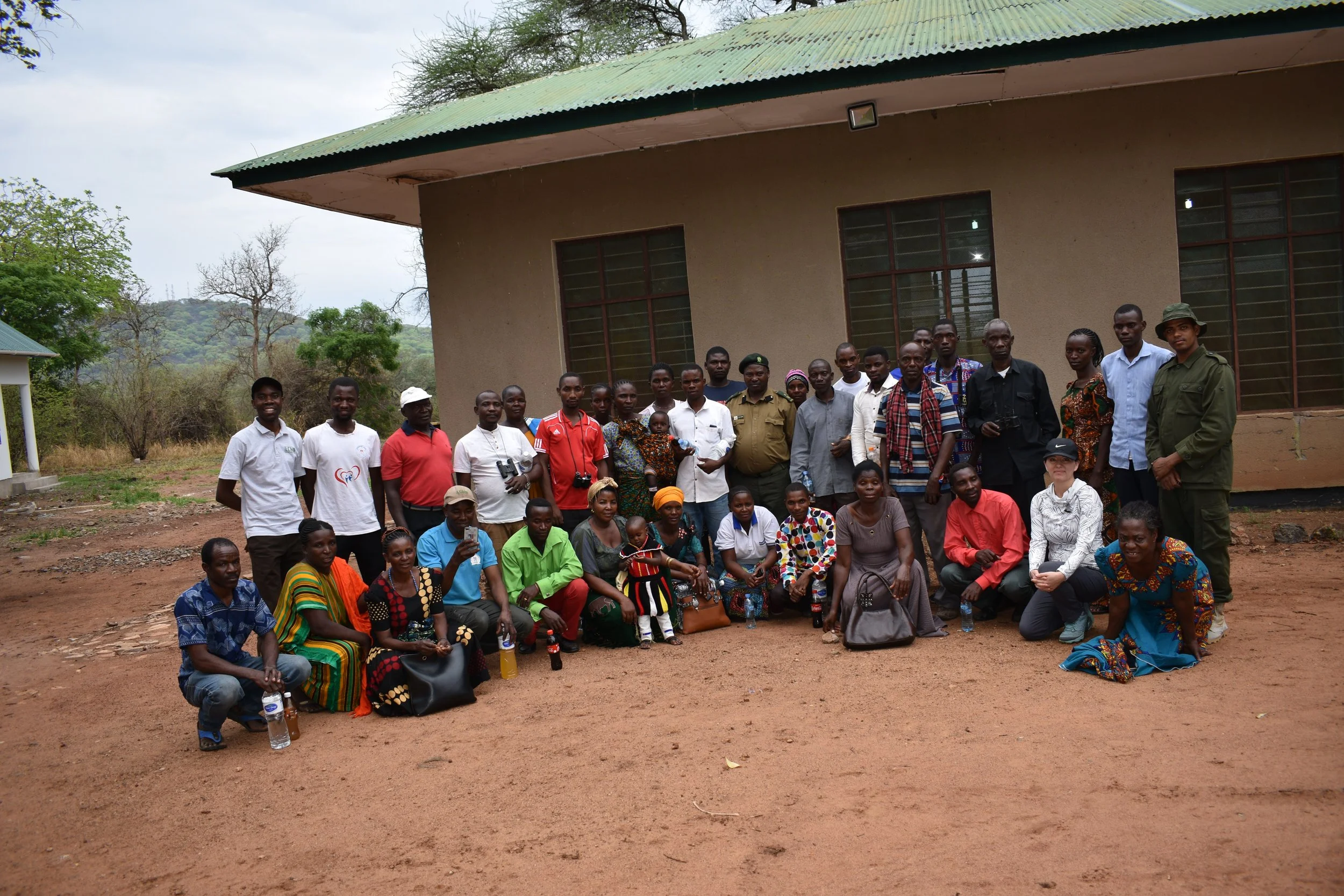
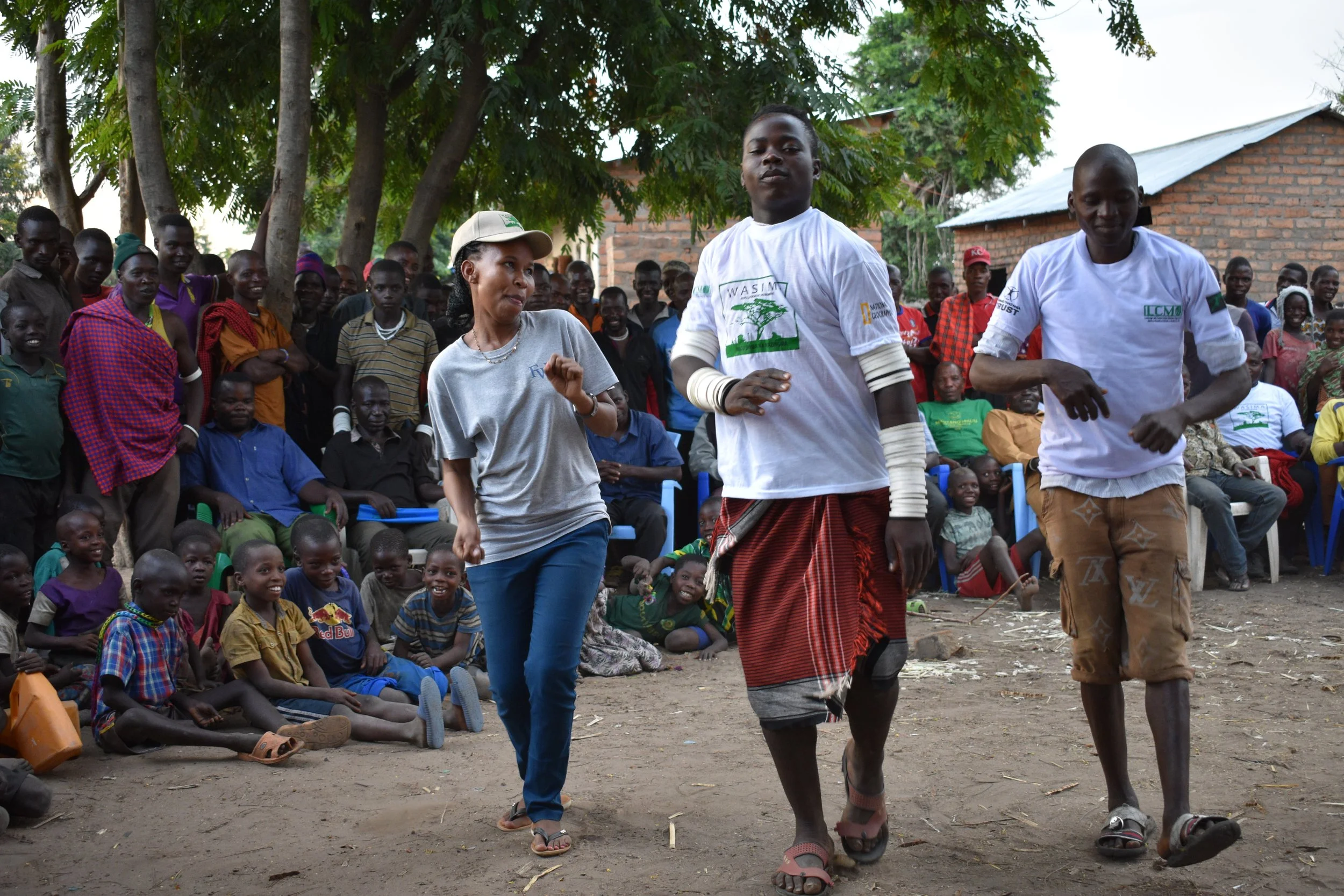
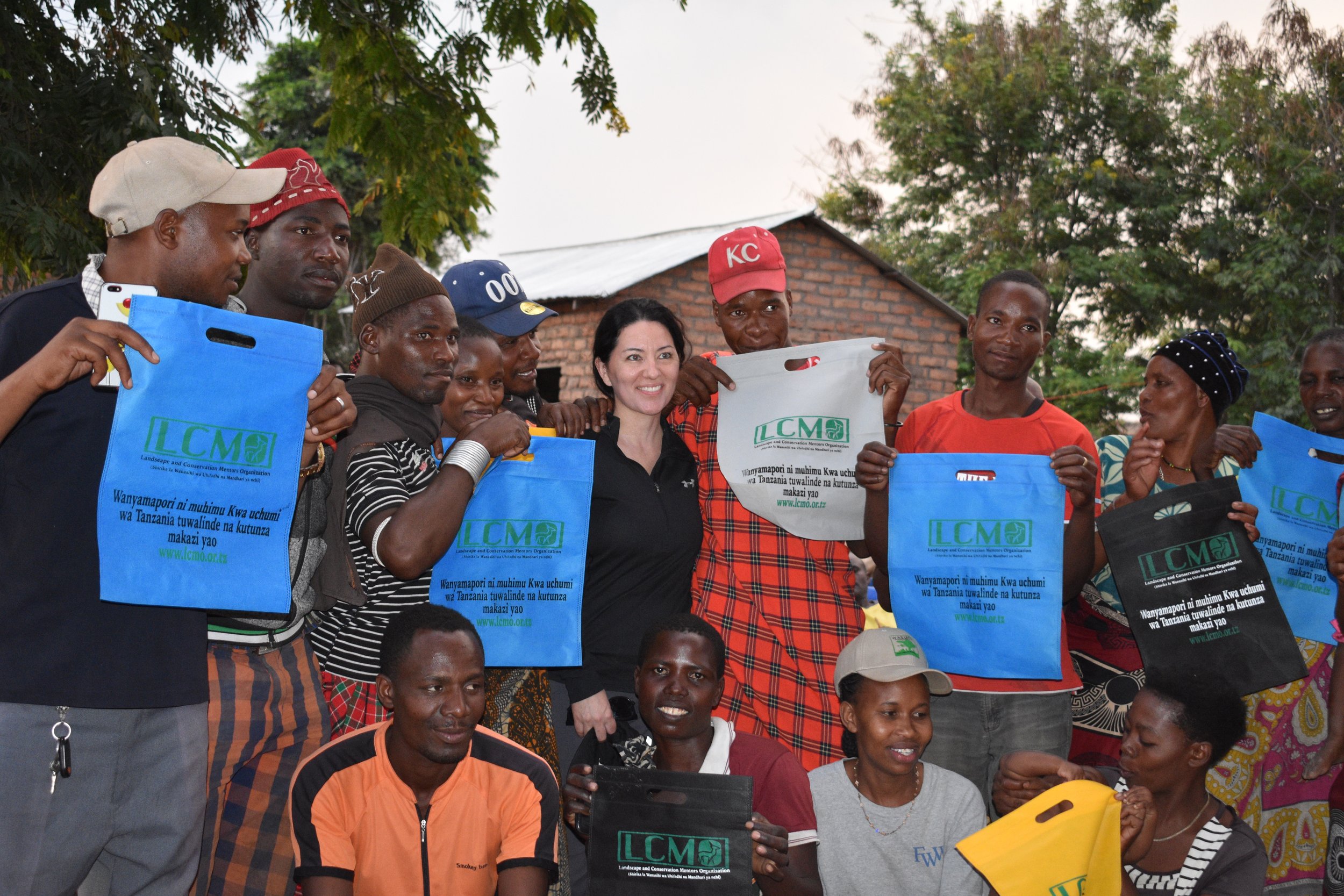
One organization I’ve witnessed making a real difference is WASIMA, which partners with local communities to promote wildlife conservation, reduce human-lion conflict, and support sustainable livelihoods. Their approach shows that conservation only works when people benefit too.
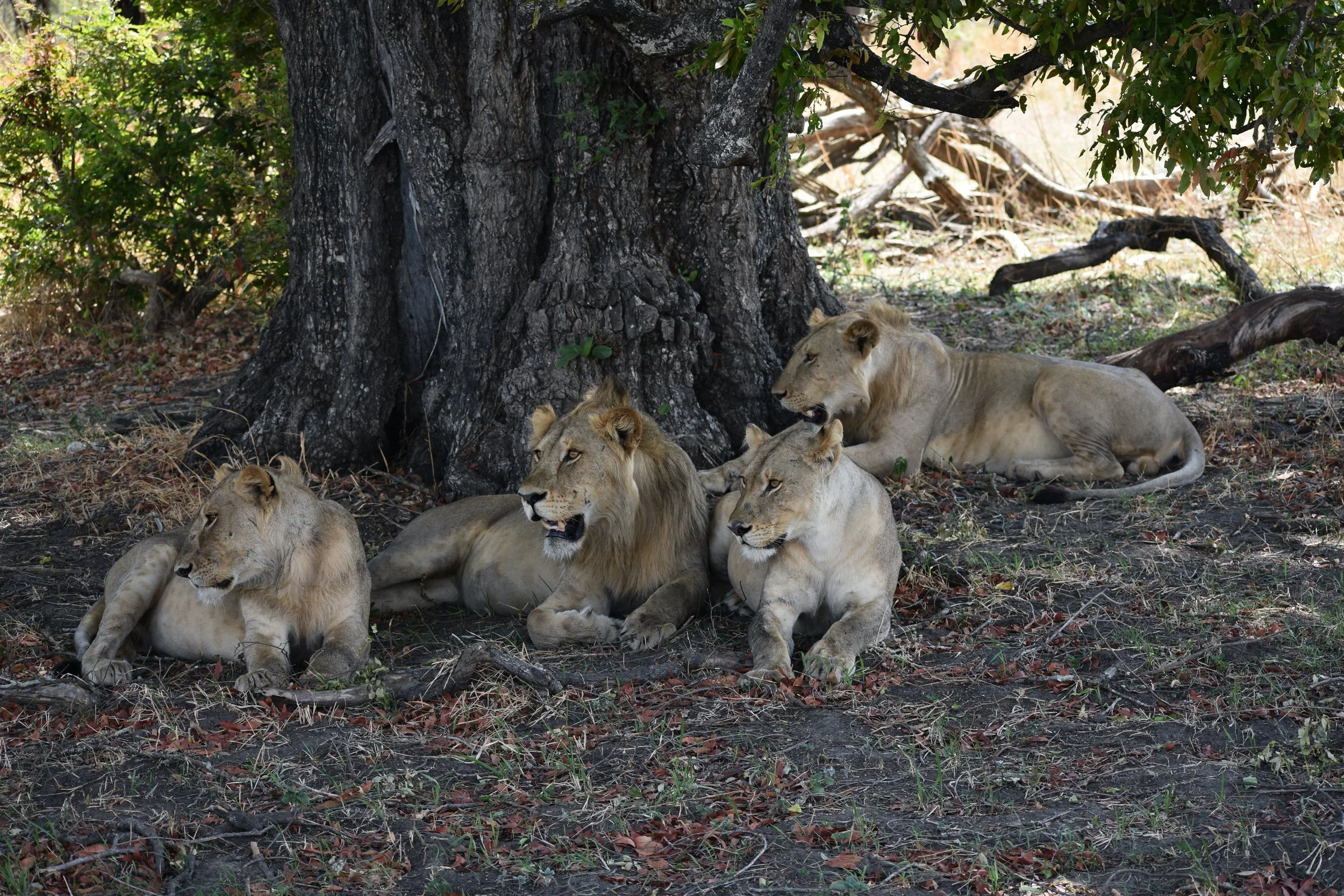
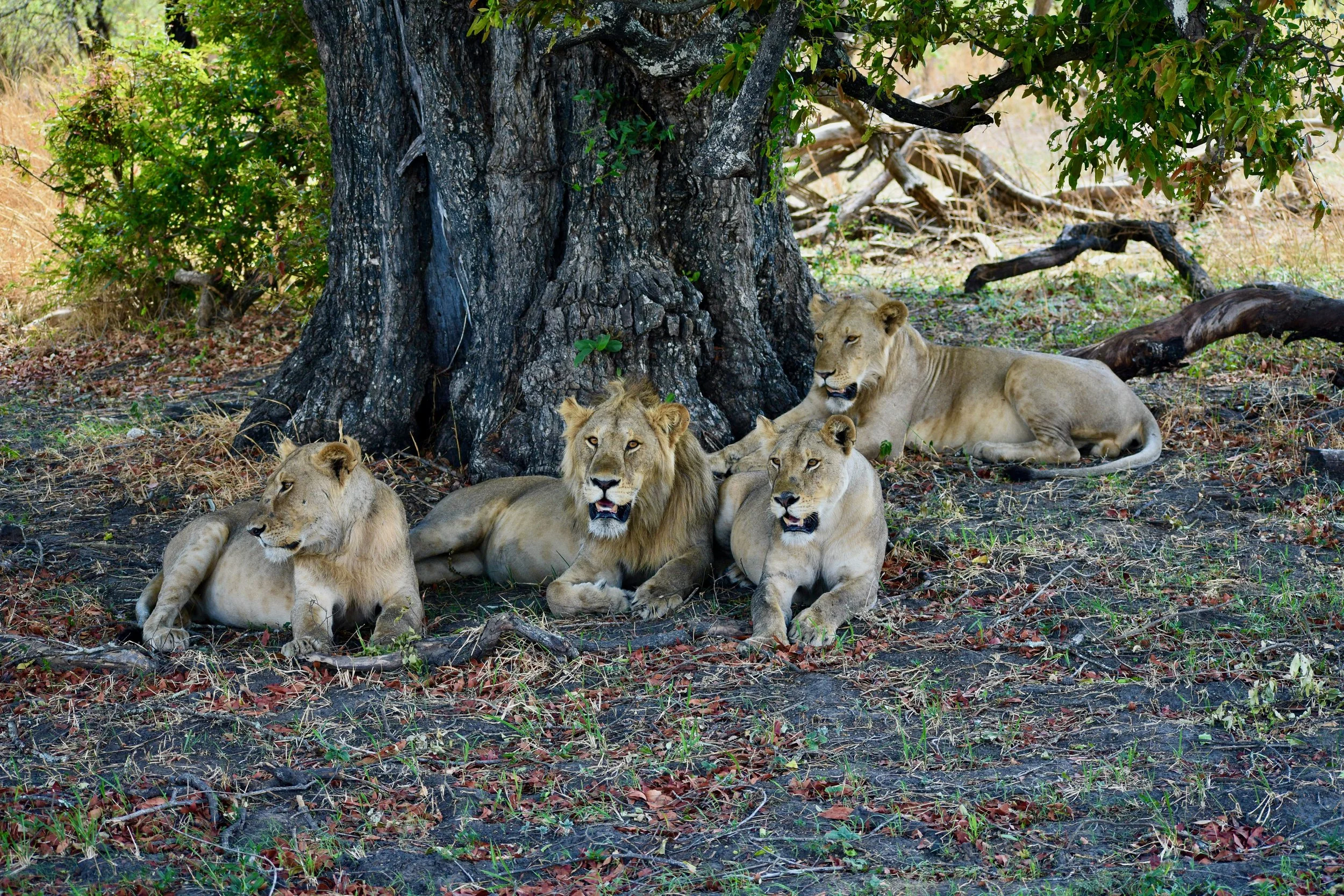
I also had the chance to volunteer in western Tanzania with WASIMA, where conservation and community go hand in hand. While in Katavi National Park, our guide explained that many of the lions there have shorter manes. He said it’s because the big-maned males had been hunted over the years. I haven’t seen scientific studies to confirm this, but seeing these lions up close, I could tell their manes were noticeably smaller than those in other parks I’ve visited. It was a striking reminder of how human activity can shape wildlife in ways you don’t always see on a map or in a report.
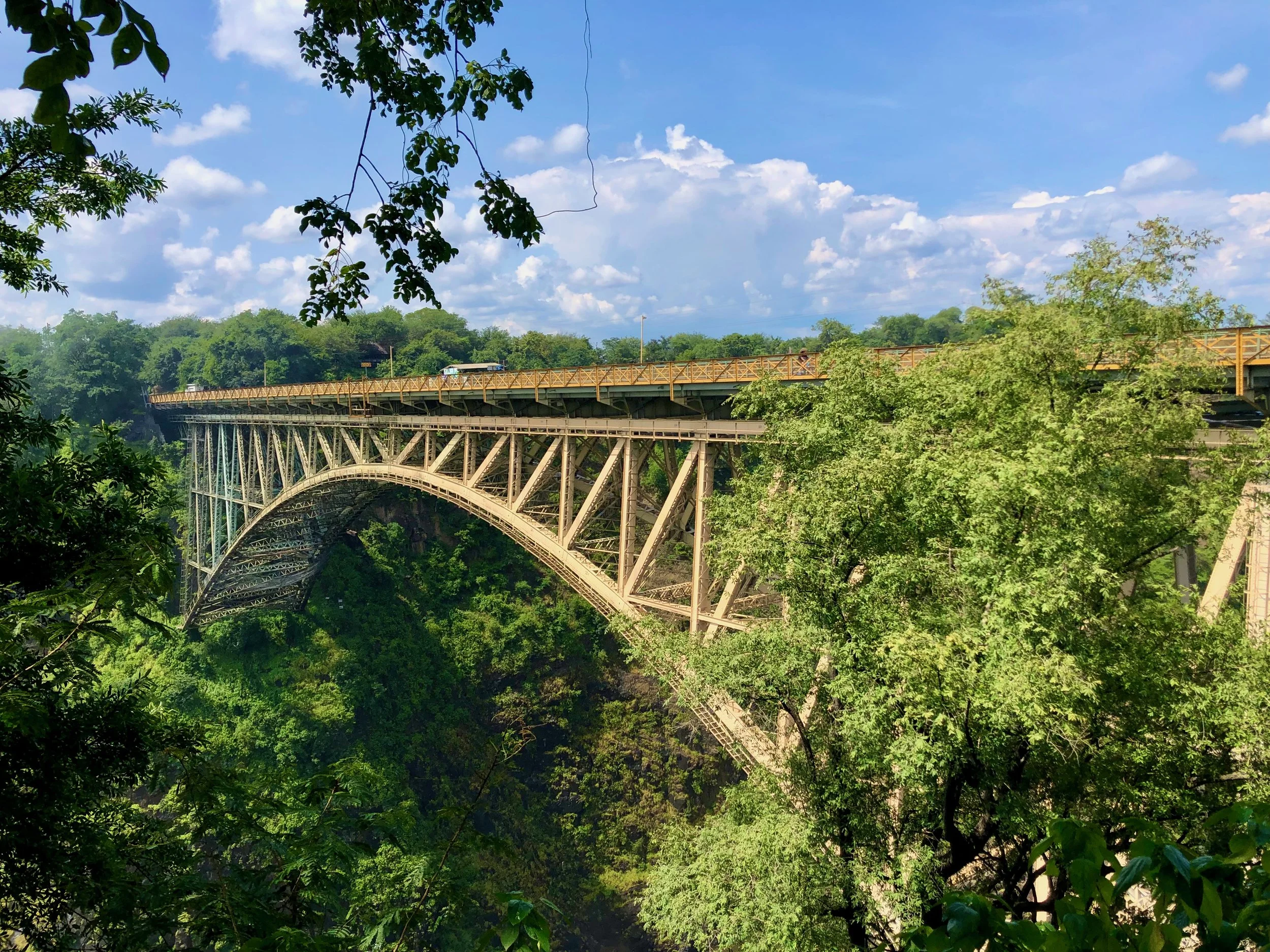
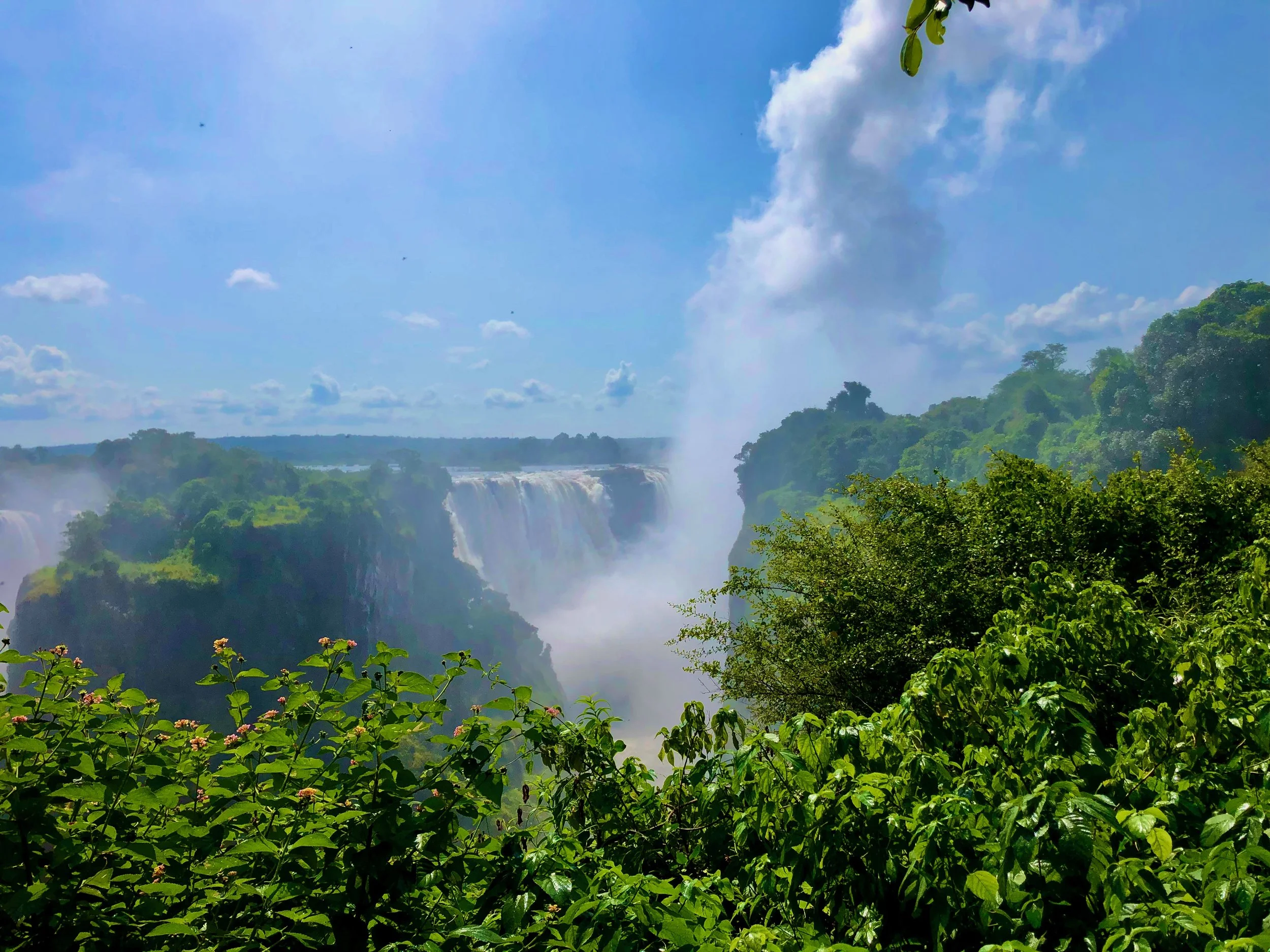
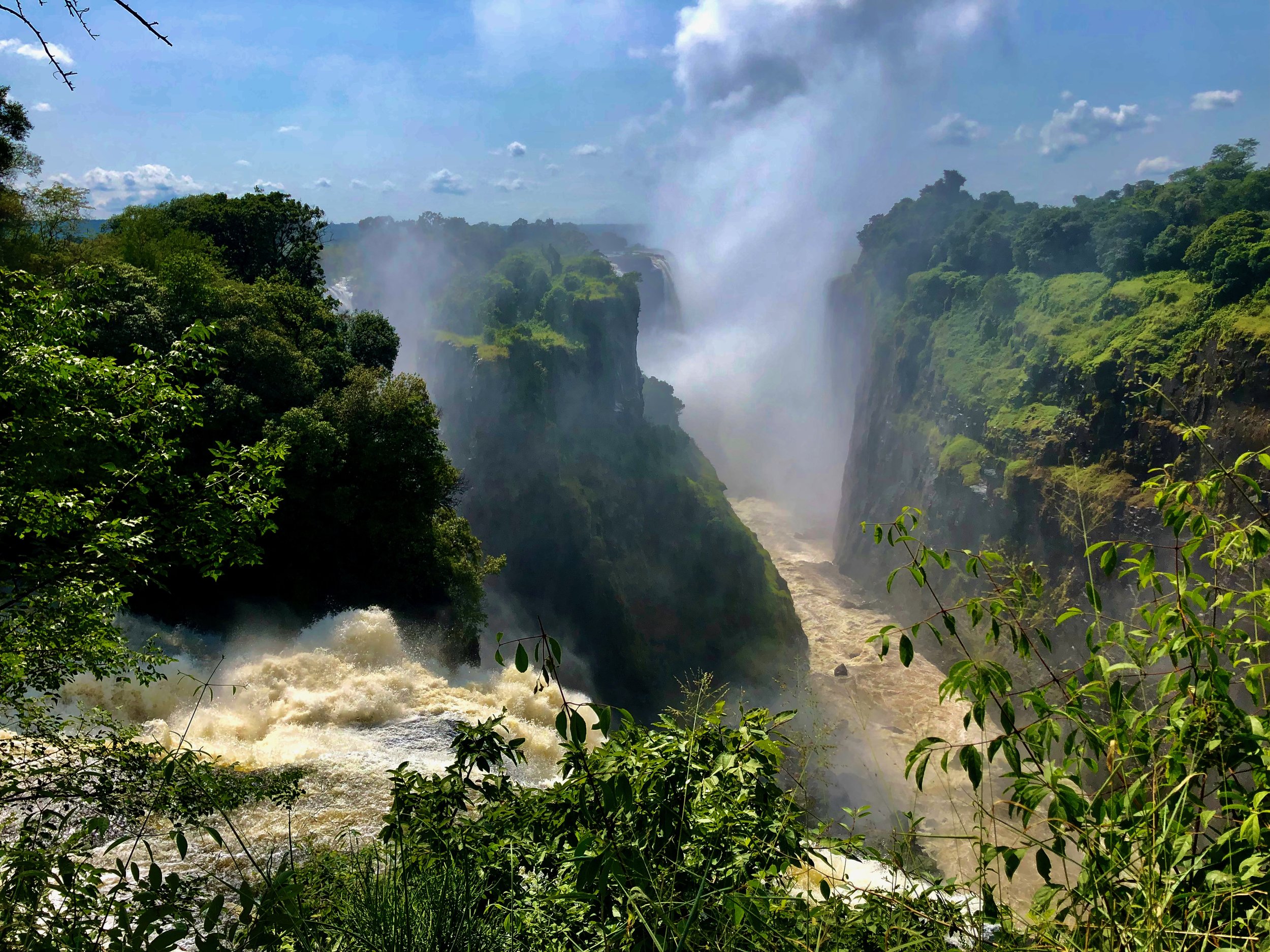
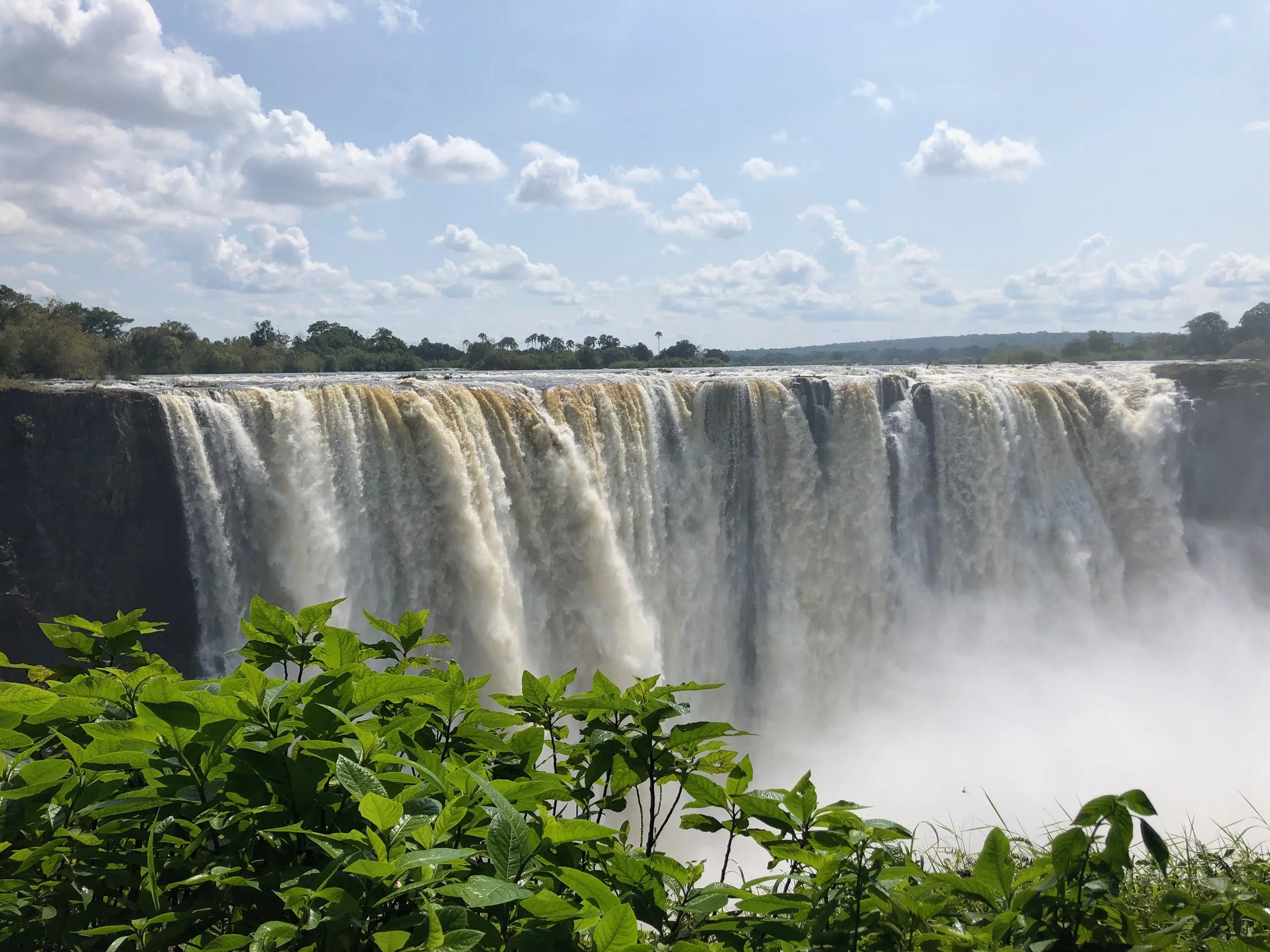
Another inspiring group is the Victoria Falls Wildlife Trust, working throughout the Zambezi River region. Their efforts include wildlife conservation, ecosystem restoration, and community support around one of the most extraordinary natural landscapes on Earth. Check out this article, DNA fingerprinting convicts Zimbabwe lion poachers in landmark case, to learn more about their amazing work.
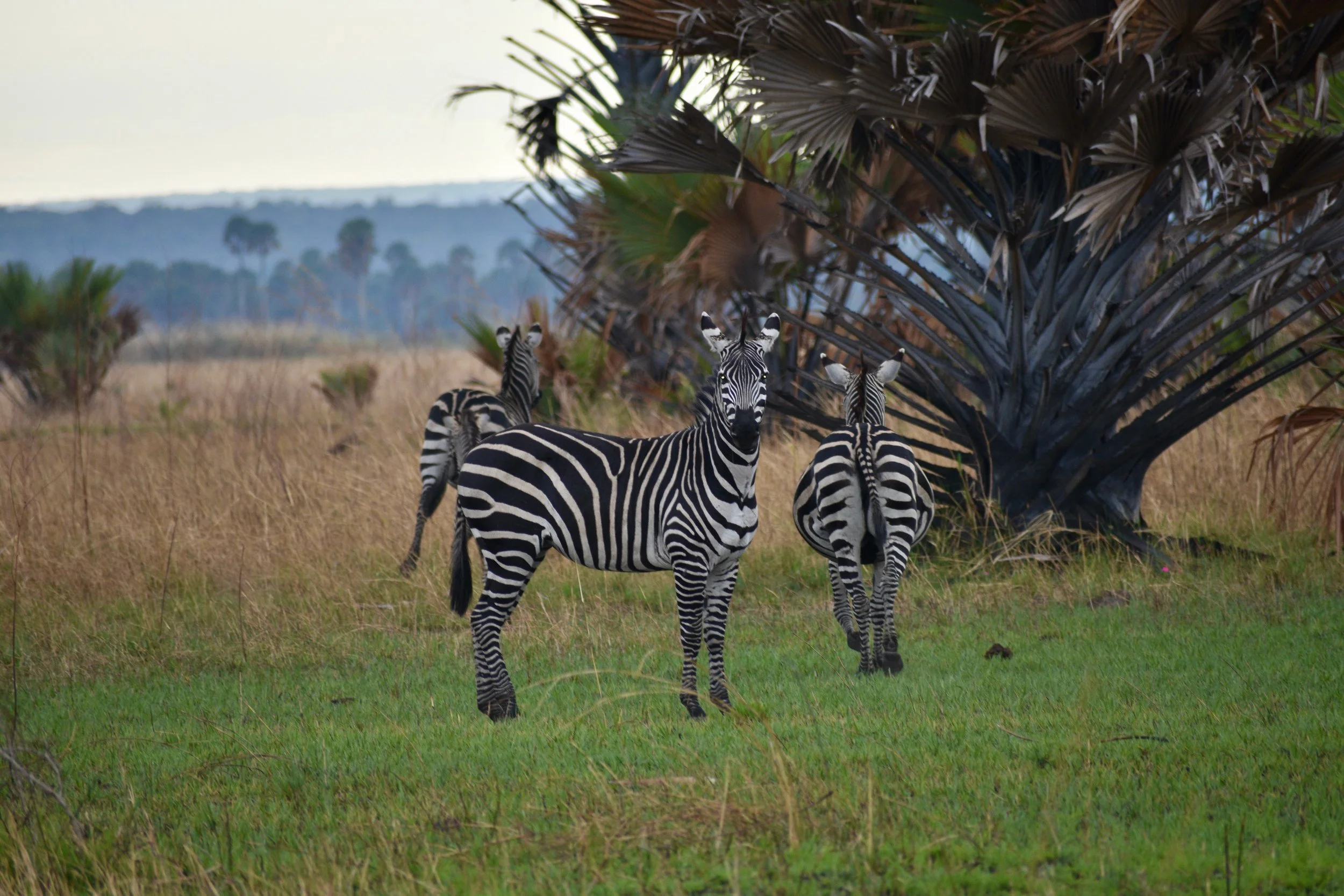
I love Africa — not unconditionally, but with caution and wisdom from having been there — and it makes my heart happy to see elephants, lions, and all the wild creatures still roaming free.